Skip to Content
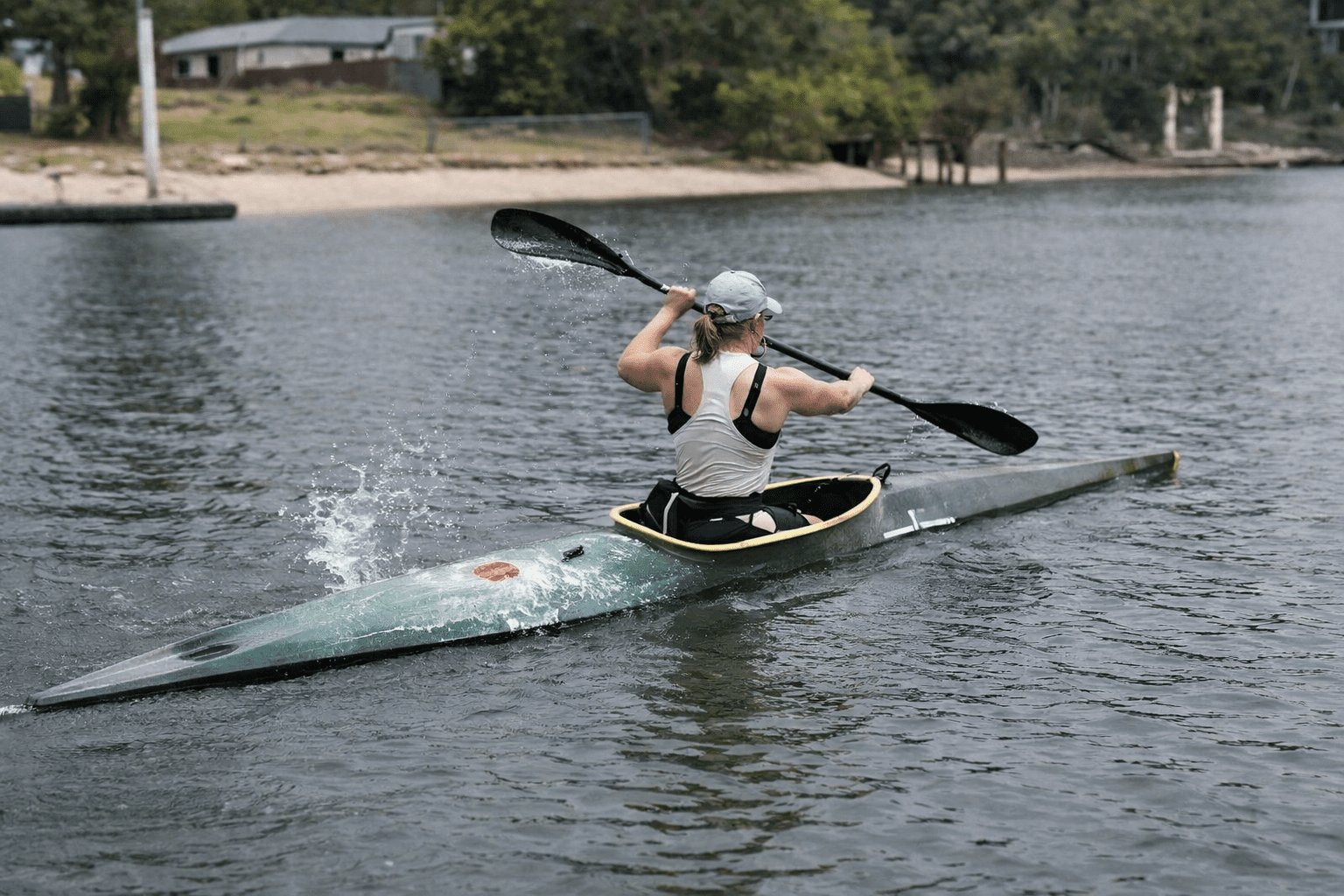
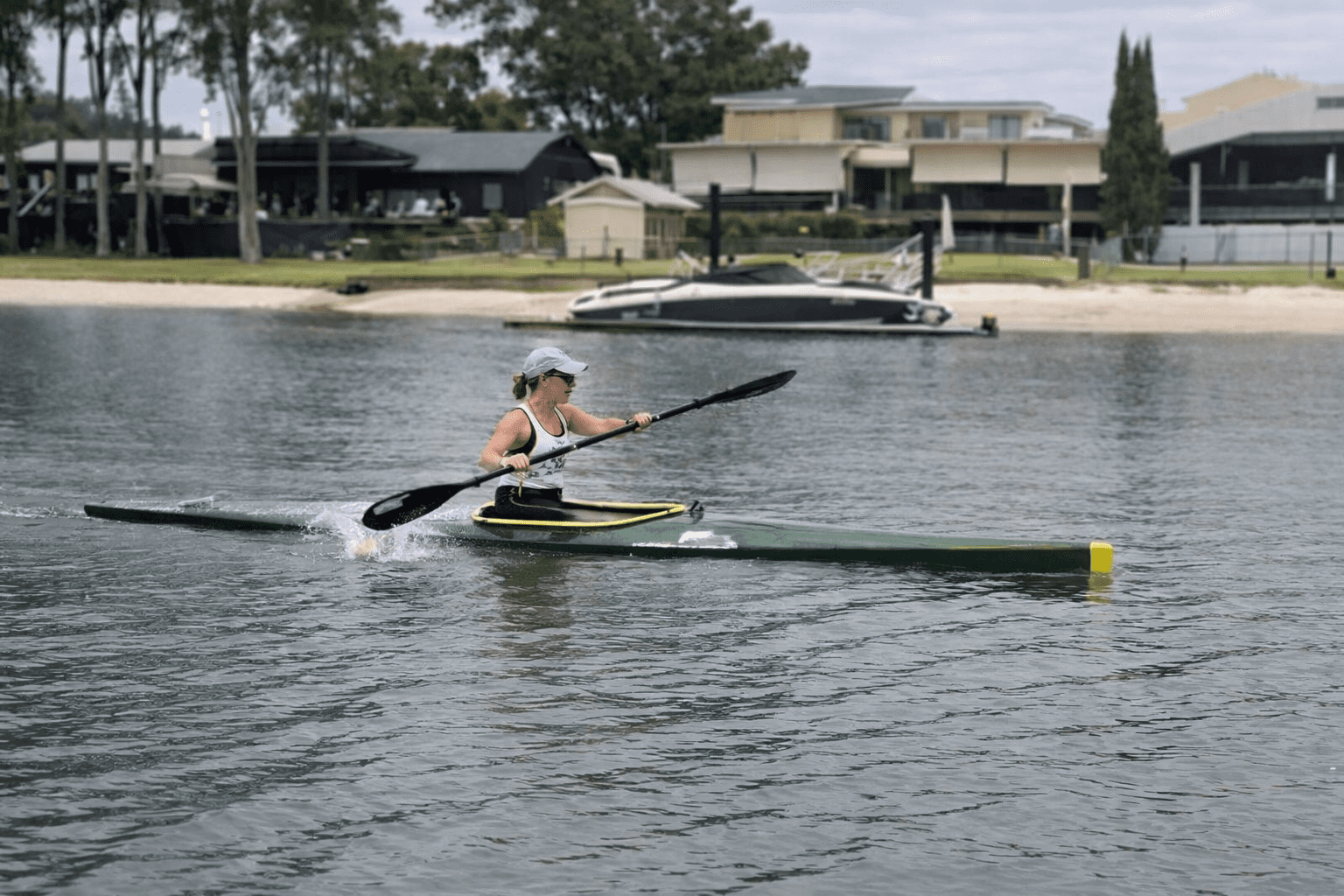
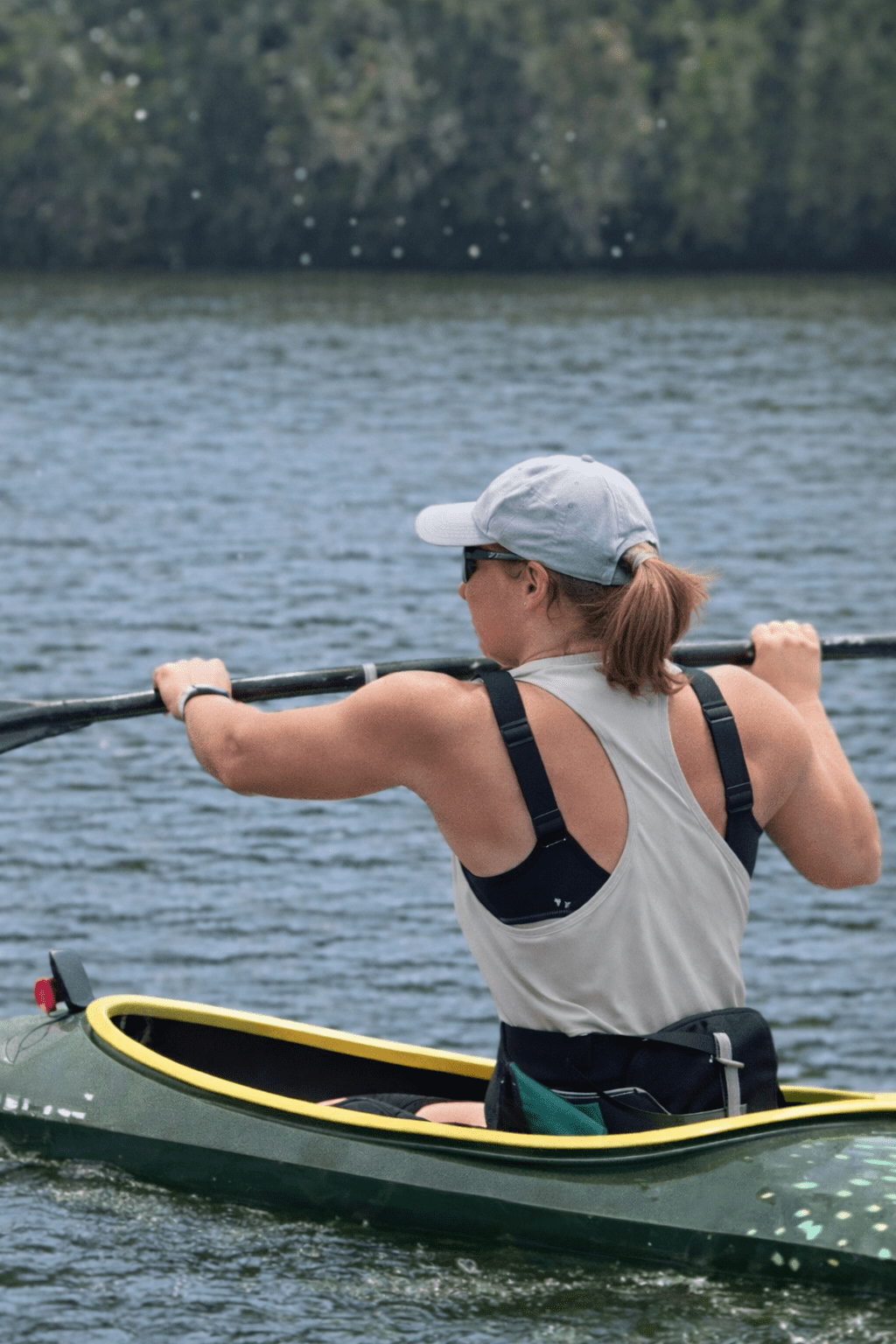
Susanna Wills kayaking through calm waters on a sunny day, training for Brisbane 2032

How engineer and future Paralympian Susanna Wills is shaping a more inclusive games legacy.

Structural engineer and aspiring Paralympian Susanna Wills offers a balanced and informed view on inclusive design. Her perspective is shaped by her technical experience, her sporting background and the insights she has gained through lived experience. That combination comes from a lifetime of sport, service in the Defence Force, a career in engineering and, more recently, a life-changing accident that shifted how she moves through the world but never altered her drive to move forward.

Today Susanna is one of the emerging voices in inclusive design as Brisbane moves toward hosting the 2032 Olympic and Paralympic Games. She brings a rare dual perspective. She is an engineer who understands how decisions are made and how they shape the lived experience of people who use a space. She is also an athlete with a disability who knows where design can remove barriers and where it can unintentionally create them.

It is this combination of insight, experience, and ambition that positions her as a powerful contributor to the conversation about universal design and the legacy the Games could leave for future generations of para-athletes.

Growing up active, curious and open to possibility

Susanna grew up in Emerald, a small agricultural and mining town in central Queensland. Her childhood was defined by freedom. Riding bikes around campus. Hours spent in the local pool. Gymnastics training and coaching. A community where physical activity was woven into daily life.

Sport was always there. Not for medals or accolades, but because it felt natural. It provided structure, confidence and connection. It also laid the foundation for the resilience and work ethic that would carry her into the Defence Force and later into engineering.

“When I was younger I tried everything. If something sounded interesting I would give it a go. I liked pushing myself, I liked competing, and I liked helping younger athletes progress,” she says.

From Defence Force to engineering

Like many teenagers finishing school, Susanna did not know exactly what she wanted to do. What she did know was that she wanted a challenge. The Army Gap Year program appealed because it gave her something meaningful to throw herself into while she figured out her next step.

What started as a single year turned into a multi-year journey through the Australian Defence Force Academy where she began studying civil engineering, later completing her degree in Brisbane.

Life at ADFA was disciplined and demanding. Mornings began early with military training, followed by full days of engineering subjects, assignments and sport. Susanna embraced the variety and the pace. She played rugby. She trained with the triathlon club. She found her feet as a student engineer.

Engineering appealed because it felt practical and grounded in problem solving. It dealt with real places and real people. It also gave her a pathway to contribute to something bigger than herself.

A life-changing accident and a new way forward

In May 2023 Susanna’s life changed in an instant when a mountain biking accident resulted in a spinal cord injury. What followed was major surgery, five months in hospital, a long rehabilitation period and almost a year of temporary accommodation while her home was made accessible.

She is open about the challenges. The emotional toll. The frustration of delays. The mix of good days and hard days. The shift from independence to a long period of uncertainty. Yet throughout all of it she stayed anchored by the belief that life was still hers to shape.

“I knew if I focused only on what I could not do it would get me down. There are days where I think why me, but also why not me. The injury could have been much worse. I still have a lot of independence and a lot of opportunity,” she says.

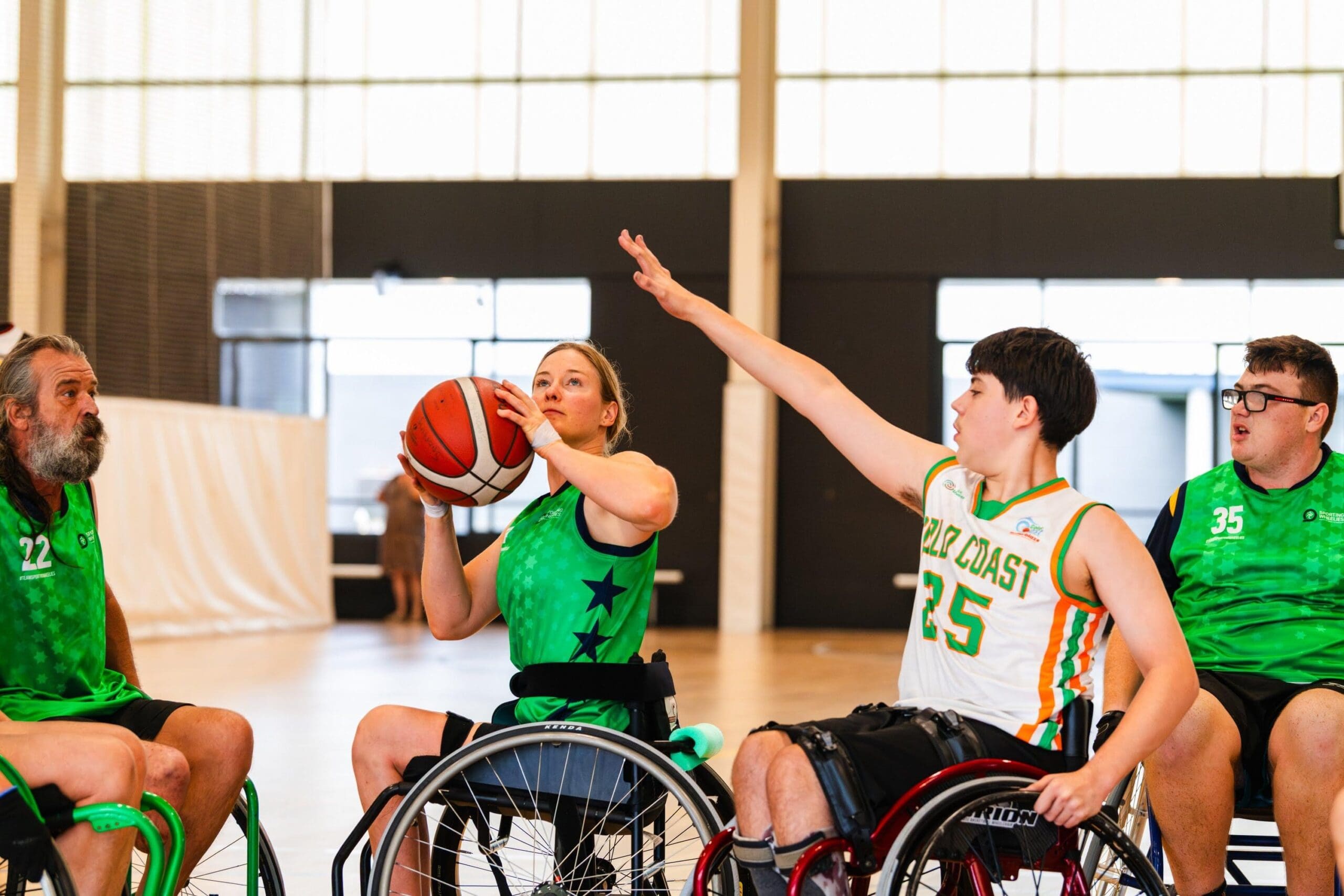
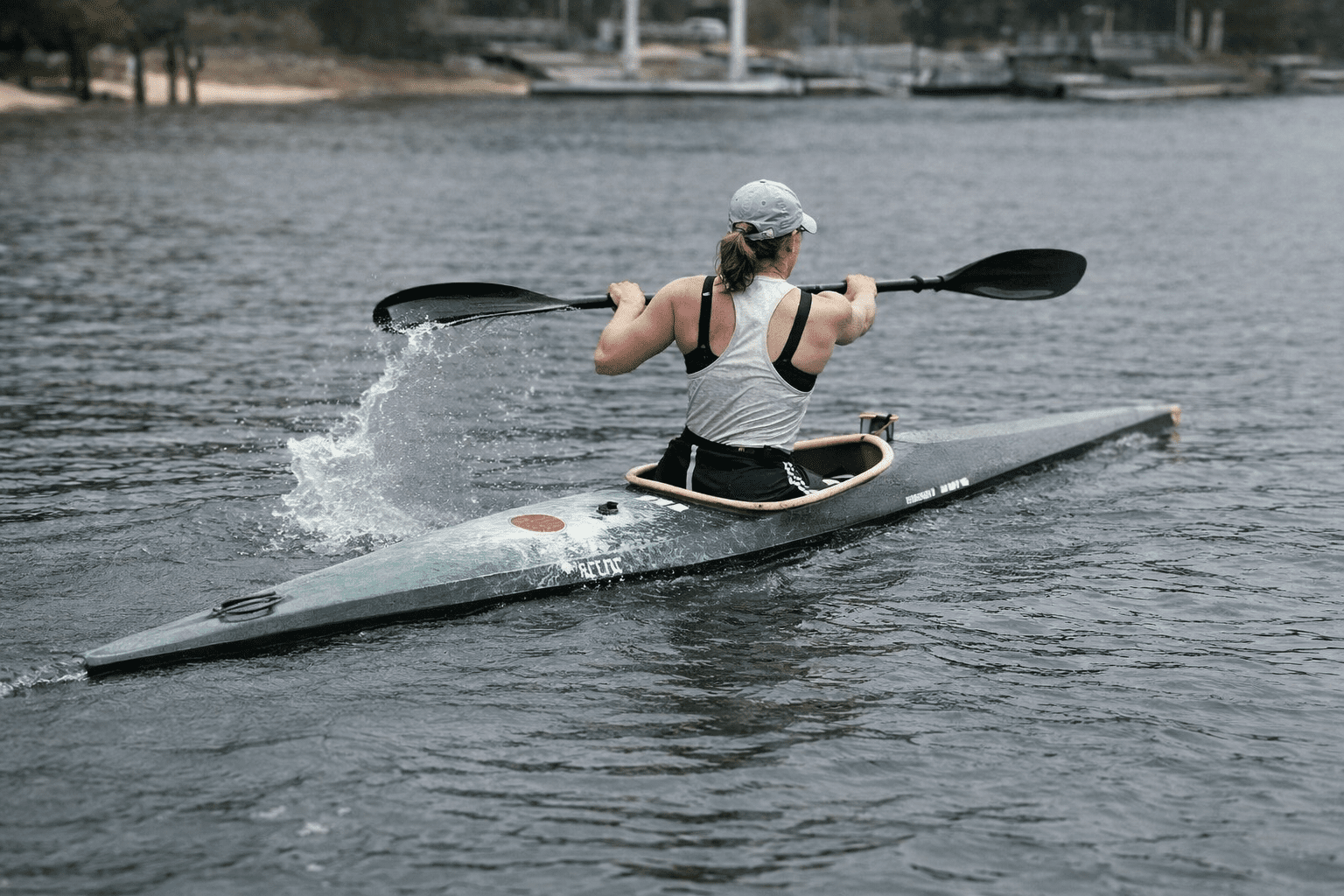
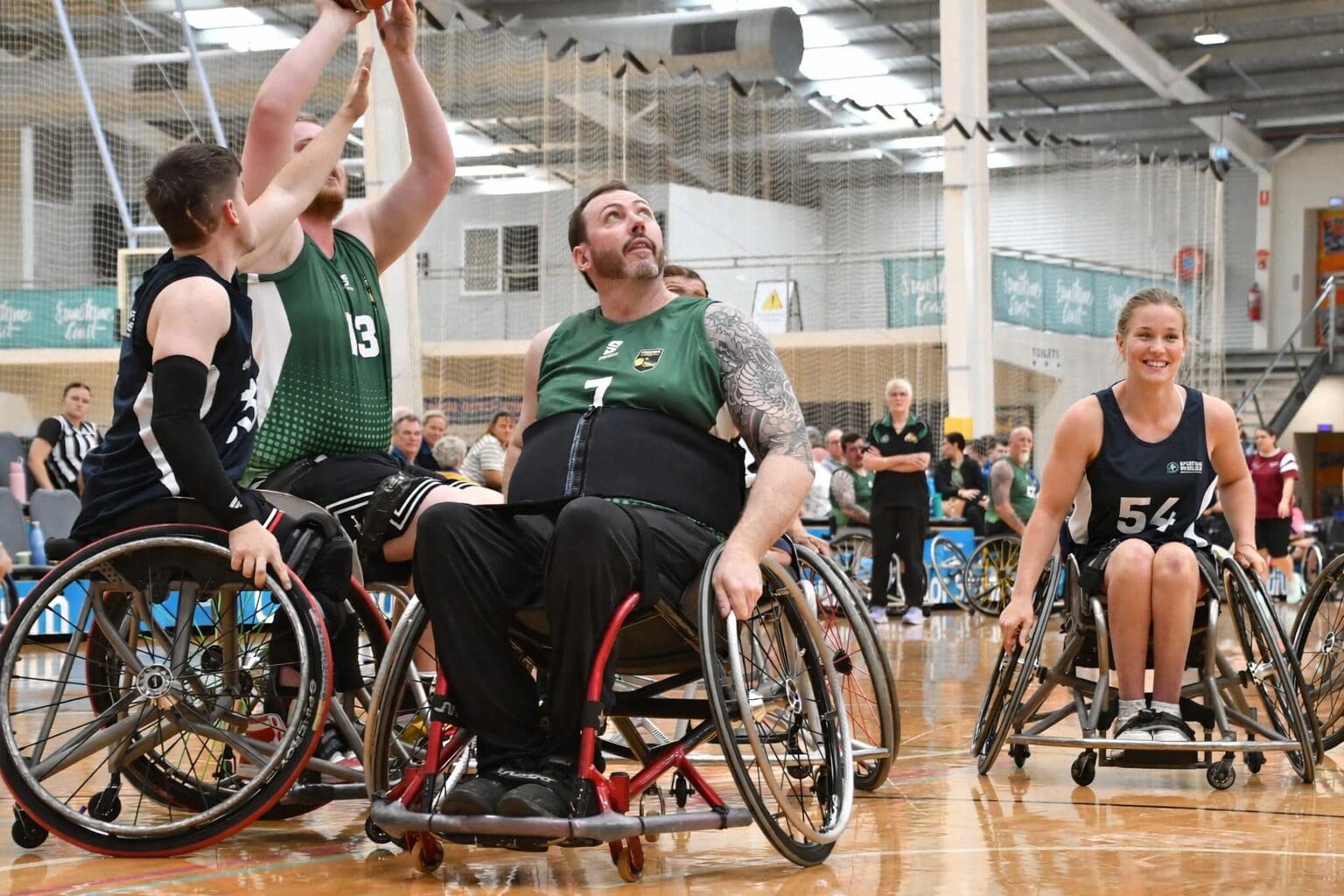
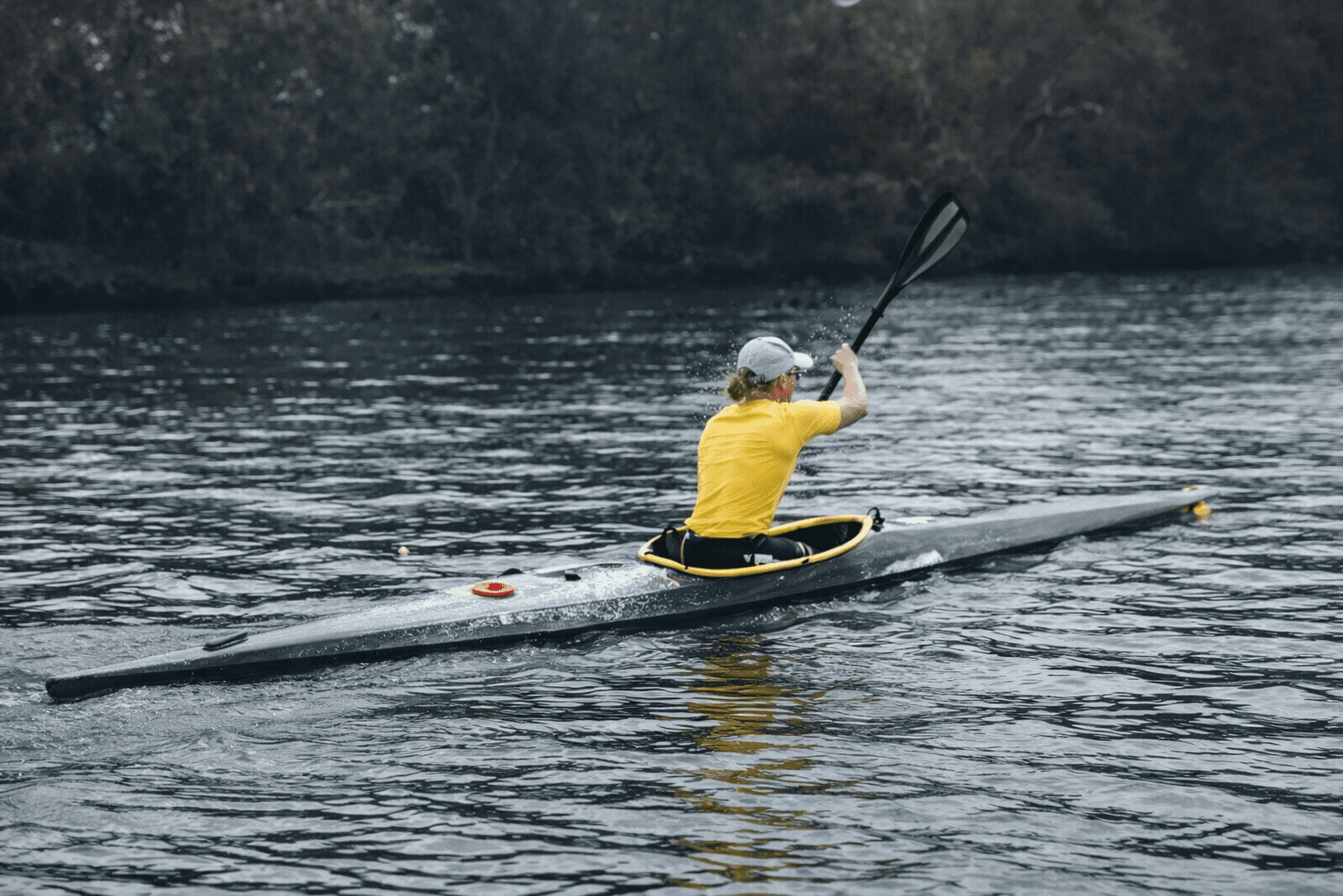
Sport played a critical role in reclaiming that sense of opportunity. Swimming first. Then wheelchair basketball. Then para cycling. Today her focus is paracanoe, a discipline she loves for its power, rhythm and challenge.

Her goal is Brisbane 2032.

Not as a wish. As a genuine high performance pathway supported by the Queensland Academy of Sport with national competitions on the horizon.

“I thought it would be cool to see how far I can go. Having something to train for gives me purpose and keeps me connected to the sporting world I have always loved,” she says.

Seeing engineering through a new lens

Susanna’s lived experience with disability has given her a deep understanding of how the design of the built environment shapes independence, comfort and dignity.

“As structural engineers we might not lead accessibility decisions but we do influence them. If we think about the needs of people with disability early, we can shape better outcomes. Things like building positioning, gradients for access routes, bathroom design or how stairs and ramps integrate. These choices matter because they change how a person experiences a place,” she says.

Her awareness is not theoretical. It is grounded in real experience. Temporary accommodation that shifted every few months. The complexity of bathroom design. The difference small changes can make. The challenge of public spaces that are compliant but not intuitive.

She has a particular appreciation for inclusive design done well. Thoughtful bathrooms with roll-in showers that work for a wide range of mobility needs. Integrated ramp and stair combinations that avoid the visual segregation of “normal entrance” and “accessible entrance”. Layouts that consider the full spectrum of disabilities and do not default to the minimum standard.

“There is no one-size-fits-all. Every para athlete has different needs. Designing for as many people as possible is the goal. It is not about doing the minimum. It is about thinking creatively about what could be possible,” she says.

The opportunity of Brisbane 2032

For Susanna, Brisbane 2032 is an opportunity to reimagine what excellence in universal design looks like.

“We have a chance to showcase para sport and design venues that support future generations of para-athletes. Not only for high performance. For community. For kids who want to try a sport but do not have a place they can train. That is where the legacy sits,” she says.

This vision extends beyond stadiums. It includes training bases, community venues, accommodation, transport routes and the everyday infrastructure that enables participation.

She is clear that world-class Games infrastructure is not only about meeting standards. It is about creating spaces that feel intuitive and welcoming for athletes of all levels.

Her hopes for the Paralympic movement

Susanna wants the Brisbane Games to spark long-term change across Australia.

“I would really like to see para sport get a huge uplift and for people to have more opportunities to participate at a community level alongside peers. That is how we build confidence, talent and connection,” she says.

She knows better than most how powerful sport can be for recovery, identity and purpose.

Looking ahead and looking across

At Northrop, Susanna brings her insight into universal design and lived experience to conversations about precincts, accessibility and future Games opportunities. She is not interested in promoting herself. She is interested in making an impact.

Her ideal role on a Games project would balance technical contribution with practical insight. She believes smaller venues could have the biggest long-term community impact by giving young para athletes places to train and play close to home.

“It would be cool to work on a main stadium, but smaller venues matter too. They are where kids learn to love sport. They are where accessibility changes lives,” she says.

Susanna believes the next decade is a chance for designers, engineers and planners to rethink the status quo and embed inclusivity as a fundamental principle.

“Think about people with disability from the beginning. Understand that everyone has different needs. Do not default to the minimum. Design for the widest range of people you can. It makes better places for everyone,” she says.

Her story is one of vision, commitment and belief in what is possible. It is also a reminder that inclusive design is not a niche. It is essential. Brisbane has a once in a generation chance to build places that reflect that.

Susanna Wills wheelchair basketball in action
Susanna Wills training for Brisbane 2032
Back to all news

Related news

Huntlee: Why long-term partnerships are critical for long-term project success

In a significant achievement for Australian public architecture, Powerhouse Castle Hill has been awarded the Sir Zelman Cowen Award...

Read More

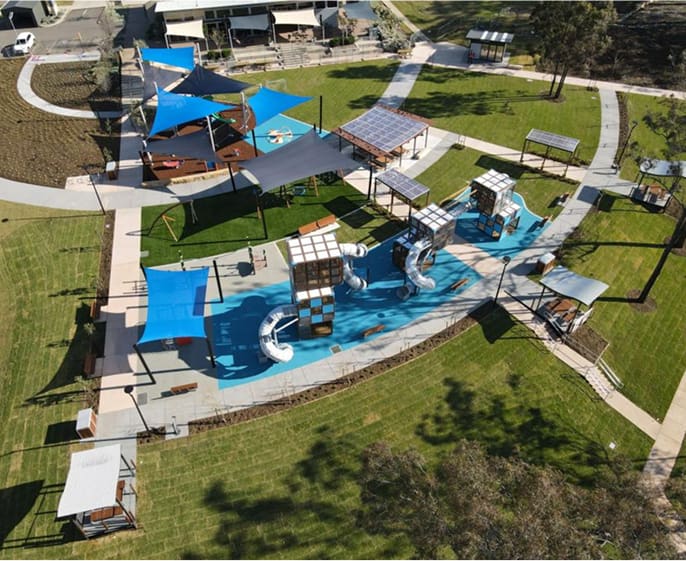
Everleigh Sports Park Wins AFL Award

Read More
Josh Neil Northrop Stadium Design 101 UQ September 2025

Stadiums, legacy and the next generation of engineers

Read More
View all news
Back to top