Our History
On 26 February 1976, Murray Northrop established Northrop in Canberra with a clear belief: strong relationships and technical excellence matter.
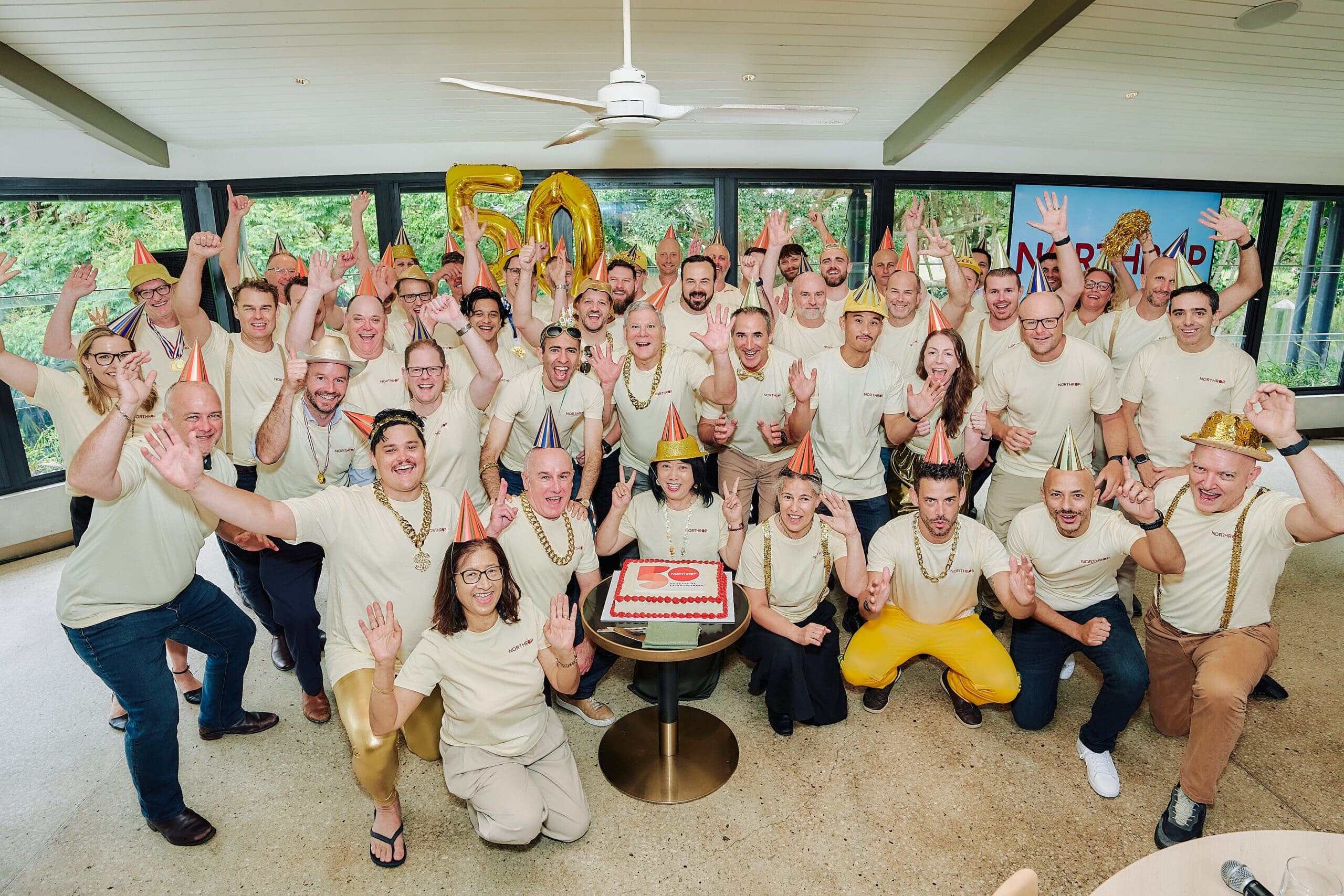
Fifty years later, that belief still defines us. From a small Canberra consultancy to a national, Australian, employee-owned engineering practice, Northrop has grown through trusted partnerships, steady ambition and a culture grounded in accountability.
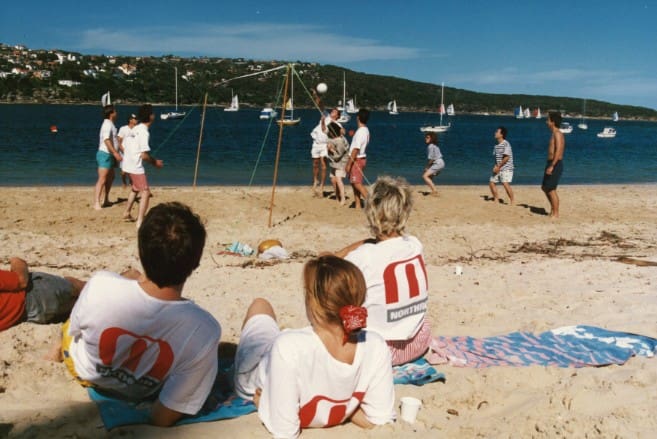
From the beginning, there was a deliberate focus on people. Building strong connections within the team was seen as just as important as building relationships with clients. That balance, looking after people while delivering quality work, has shaped how we operate and why the business has endured.
When people back each other and work in genuine partnership, the outcomes are extraordinary. As we mark this milestone, we are proud of the legacy that has been created and focused on what comes next.
Northrop was established in Canberra in 1976 when Murray Northrop set out to build a consultancy grounded in technical rigour and strong client relationships.
From the outset, there was equal emphasis on treating people well and delivering quality outcomes. Employees were supported, developed and retained through all parts of the business cycle, rather than being treated as a short-term resource. That approach became a defining part of the culture and continues today.
The focus was clear: deliver quality work, build trust and do the right thing. One of the firm’s earliest landmark projects, structural engineering for the Greek Embassy in Canberra, set the tone for the calibre and accountability that would define the business.
The foundations were steady and deliberately built for the long term.
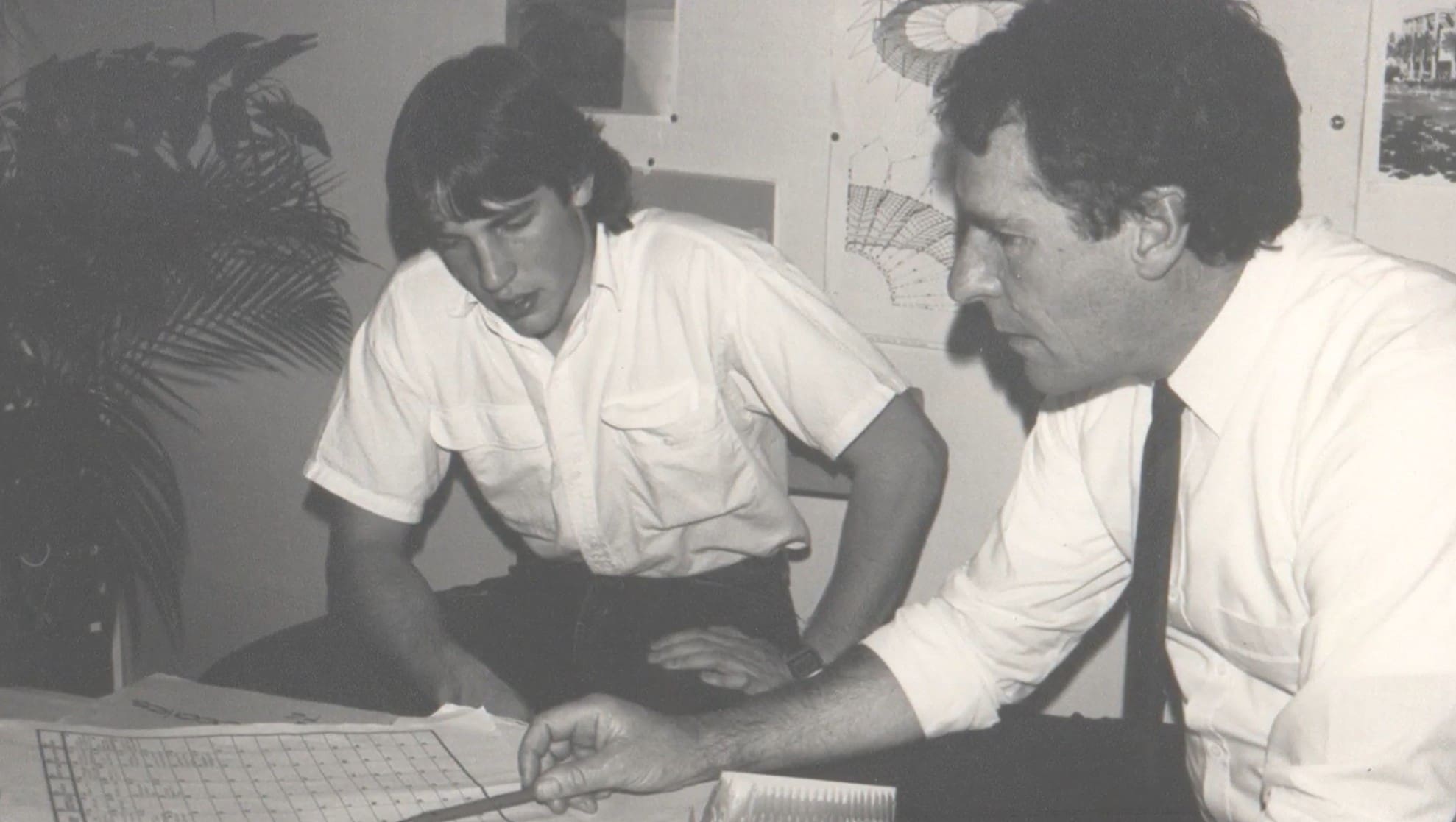
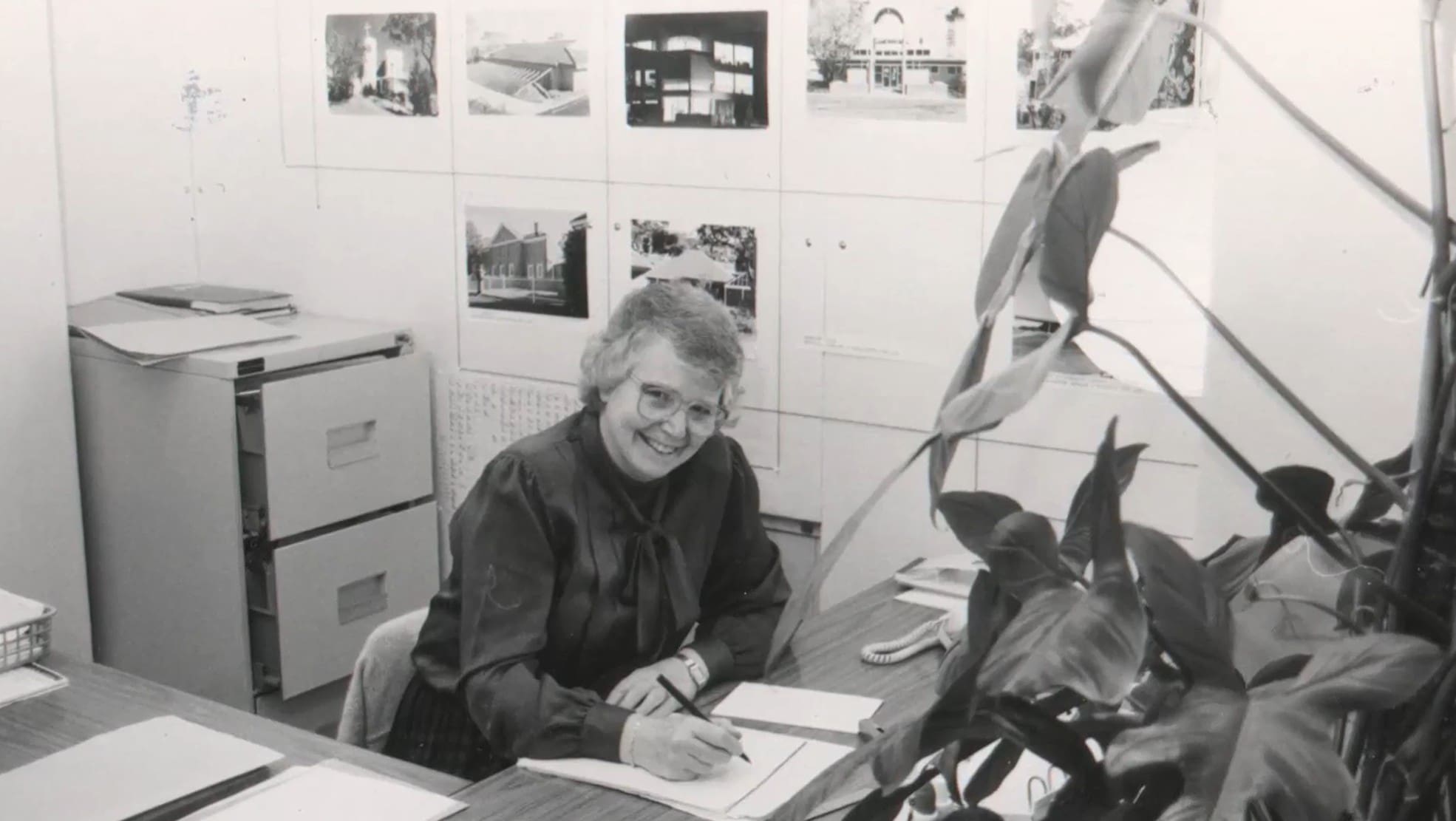
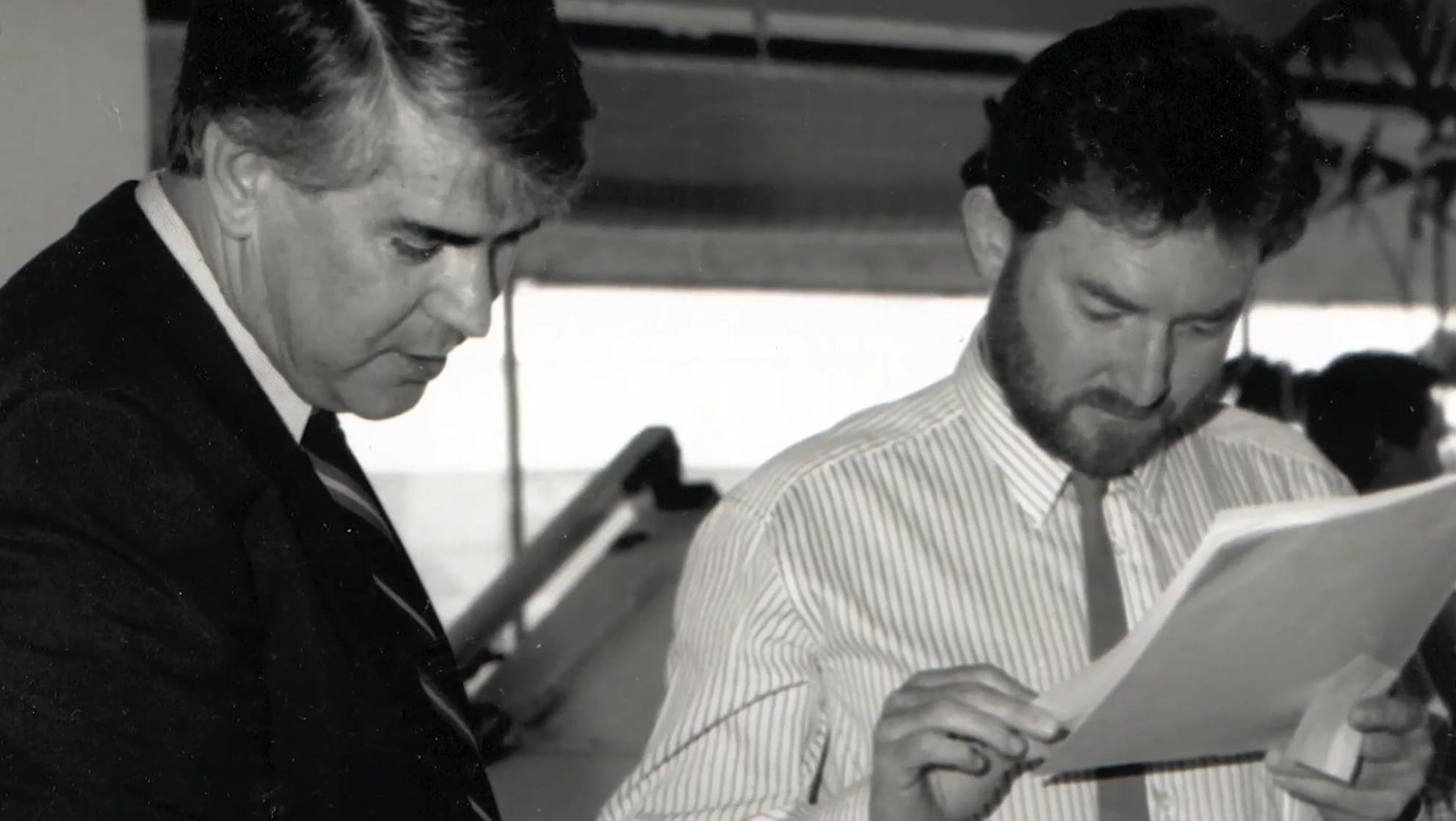
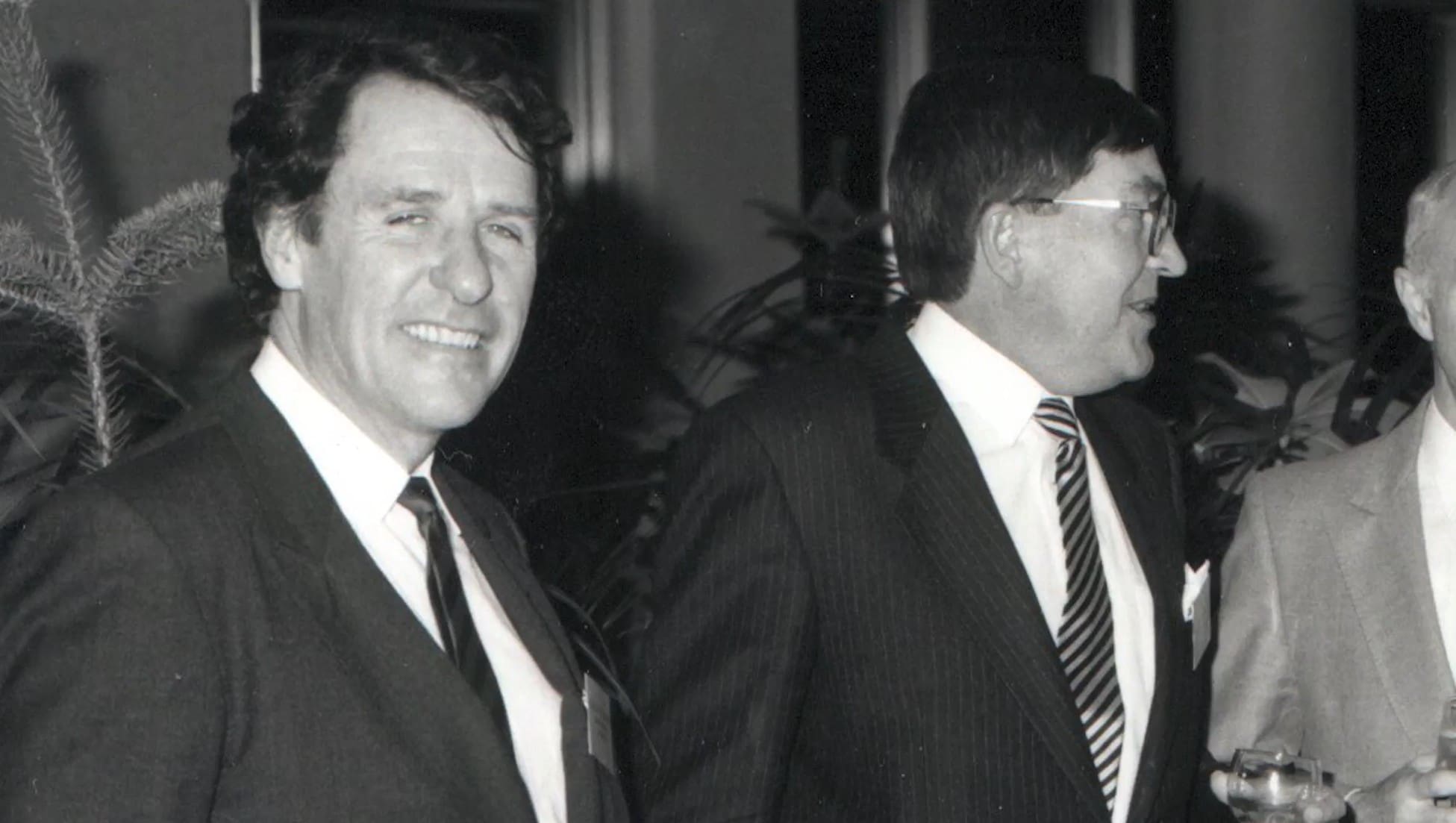
By the early 1980s, Northrop was expanding its leadership and expertise. Phil O’Hara joined as Principal and civil engineering services were formally introduced, broadening the firm’s capability.
A key moment came in 1988 with Northrop’s first formal strategic planning conference. At the time, the business had around 15 people. That session set a clear direction for growth, expanding beyond structural engineering into a multidisciplinary practice and establishing a presence across multiple locations.
The intent was practical. A broader service offering and geographic spread would provide greater stability for both the business and its people. It also created more opportunity, allowing people to grow their careers within the company.
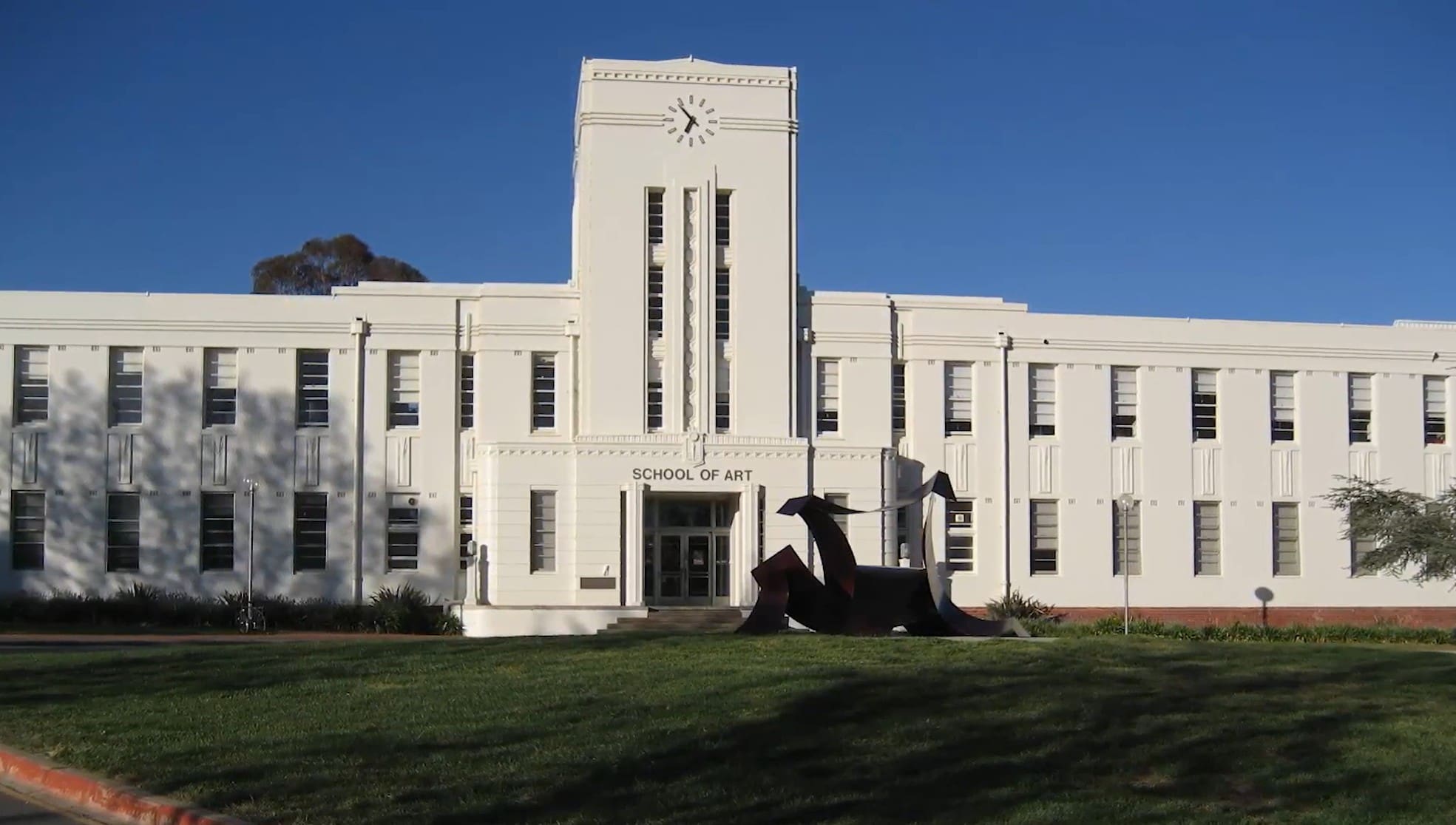
National recognition followed when the Canberra School of Art project, delivered with Daryl Jackson Architects, won the Sir Zelman Cowen Award for National Architecture.
Capability deepened, confidence grew, and the building blocks of a resilient business were taking shape through considered decisions rather than rapid expansion.
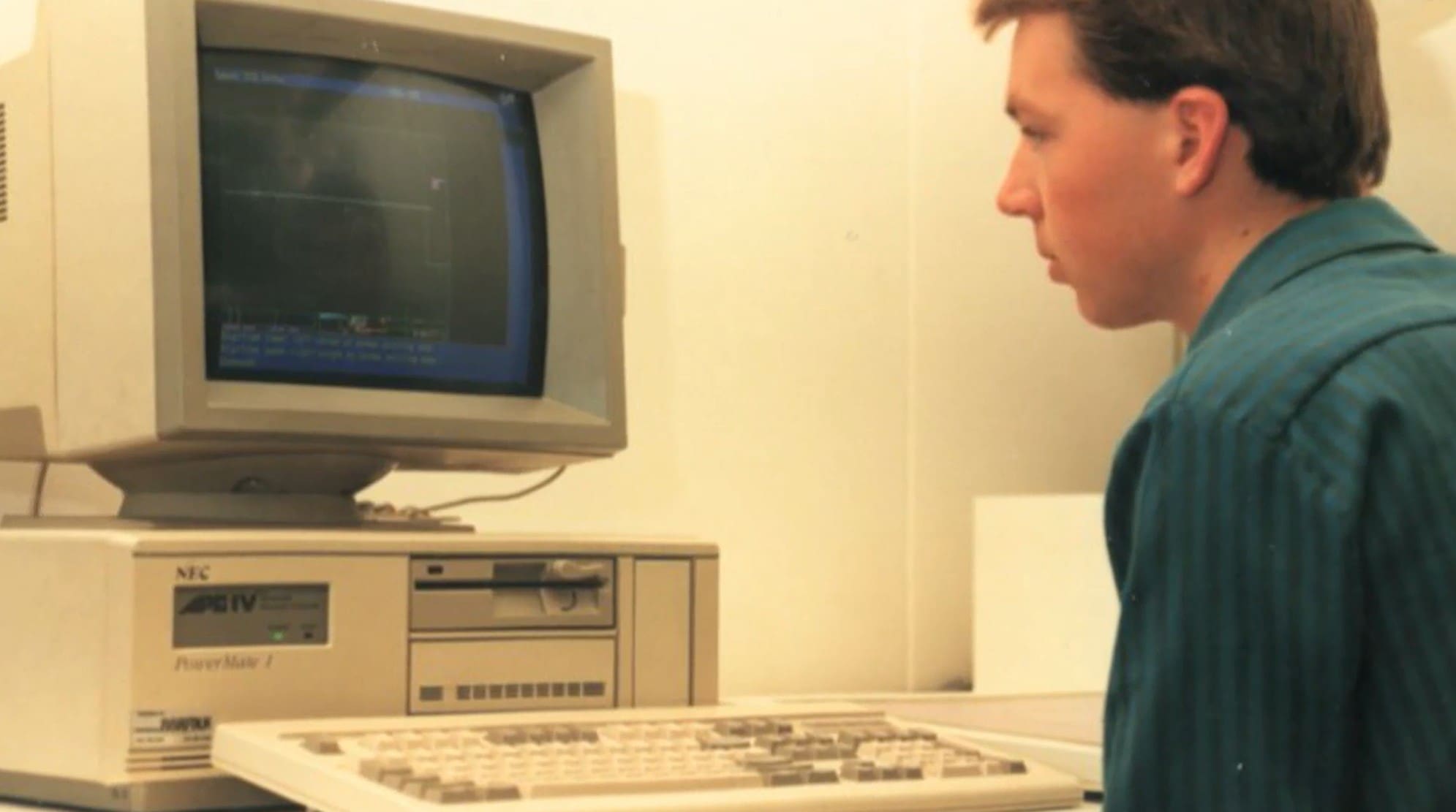
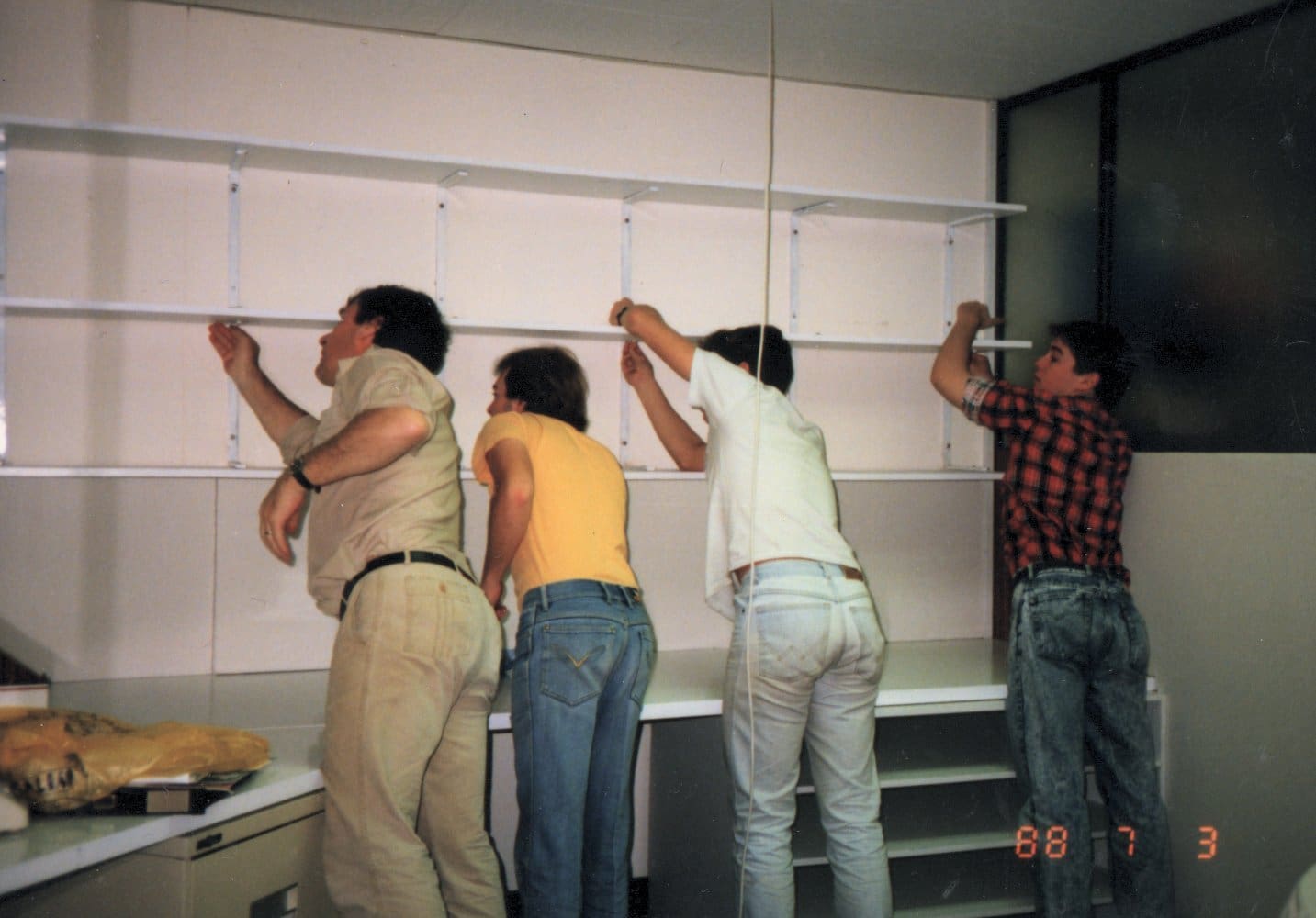
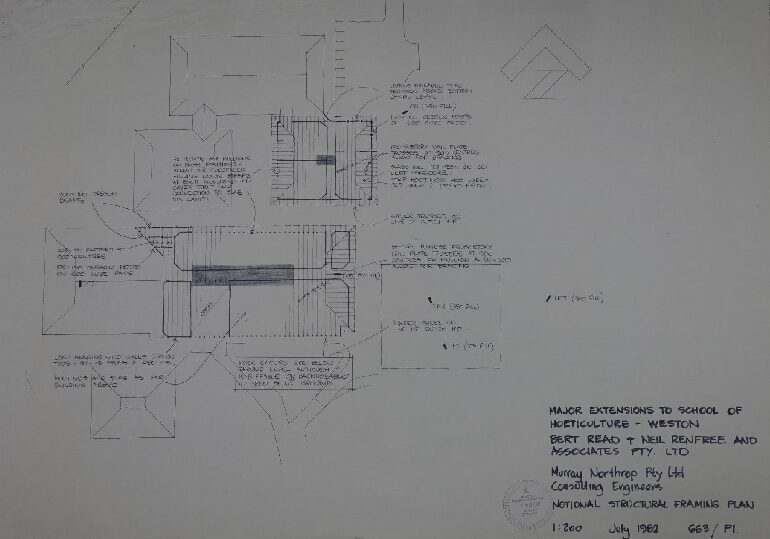
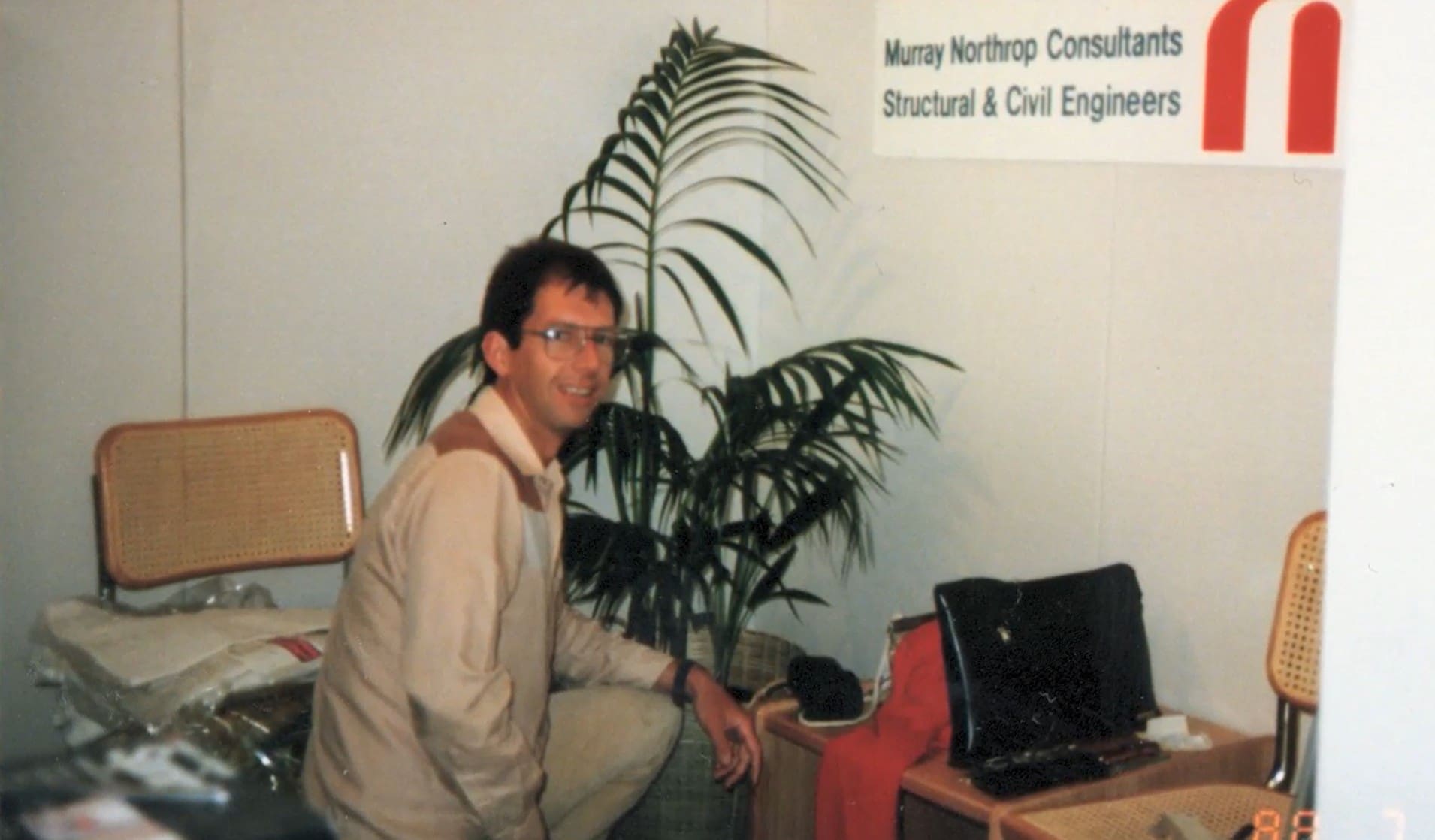
The establishment of the Sydney office marked Northrop’s first major interstate move and a new chapter of growth.
Throughout the 1990s, the firm expanded geographically and technically, opening new offices, appointing additional principals and delivering increasingly complex projects across education, transport, justice and health sectors.
This period also reinforced the importance of autonomy within a connected business. Offices were empowered to respond to local opportunities while staying aligned to a shared culture and set of values. In places like Newcastle, this led to early moves into environmental and sustainability work, alongside strong commercial performance.
At the same time, the broader business environment in Australia was shifting, with privatisation, mergers and economic volatility becoming more common. Northrop continued to grow steadily through this period, supported by long-term thinking, trusted partnerships and a focus on stability over short-term gain.
Governance matured, leadership diversified and employee ownership strengthened. The business was growing, but its culture remained consistent.
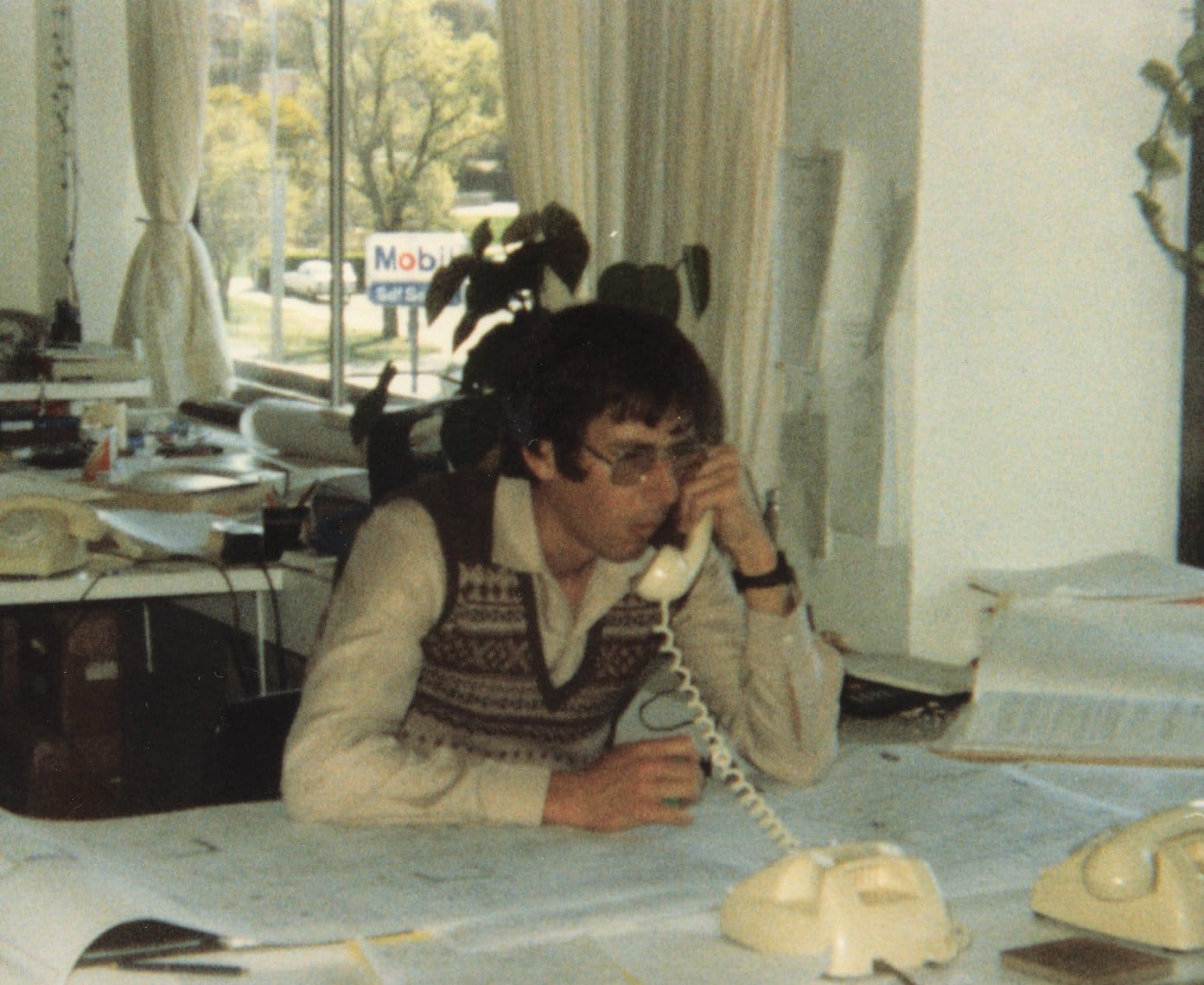
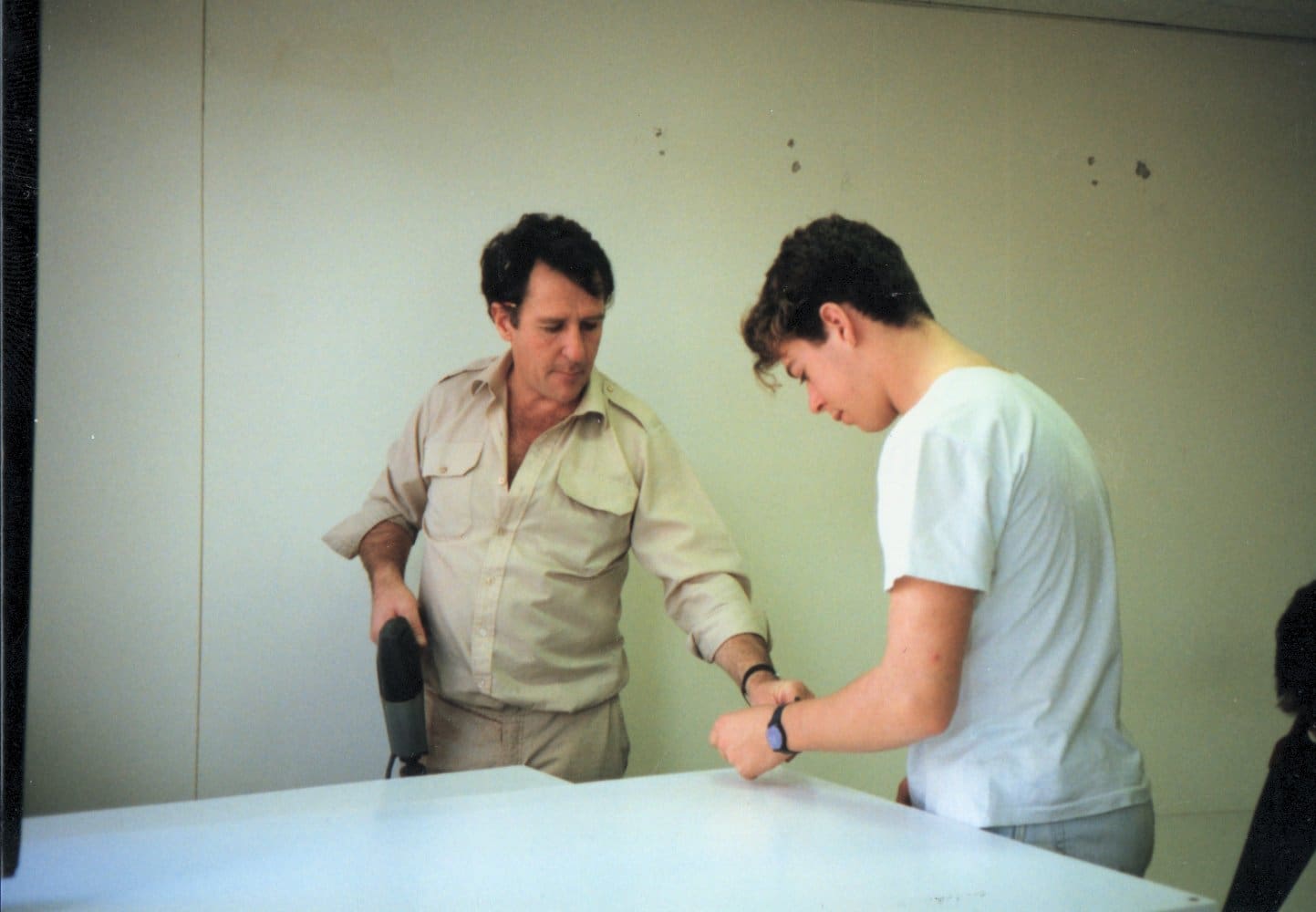
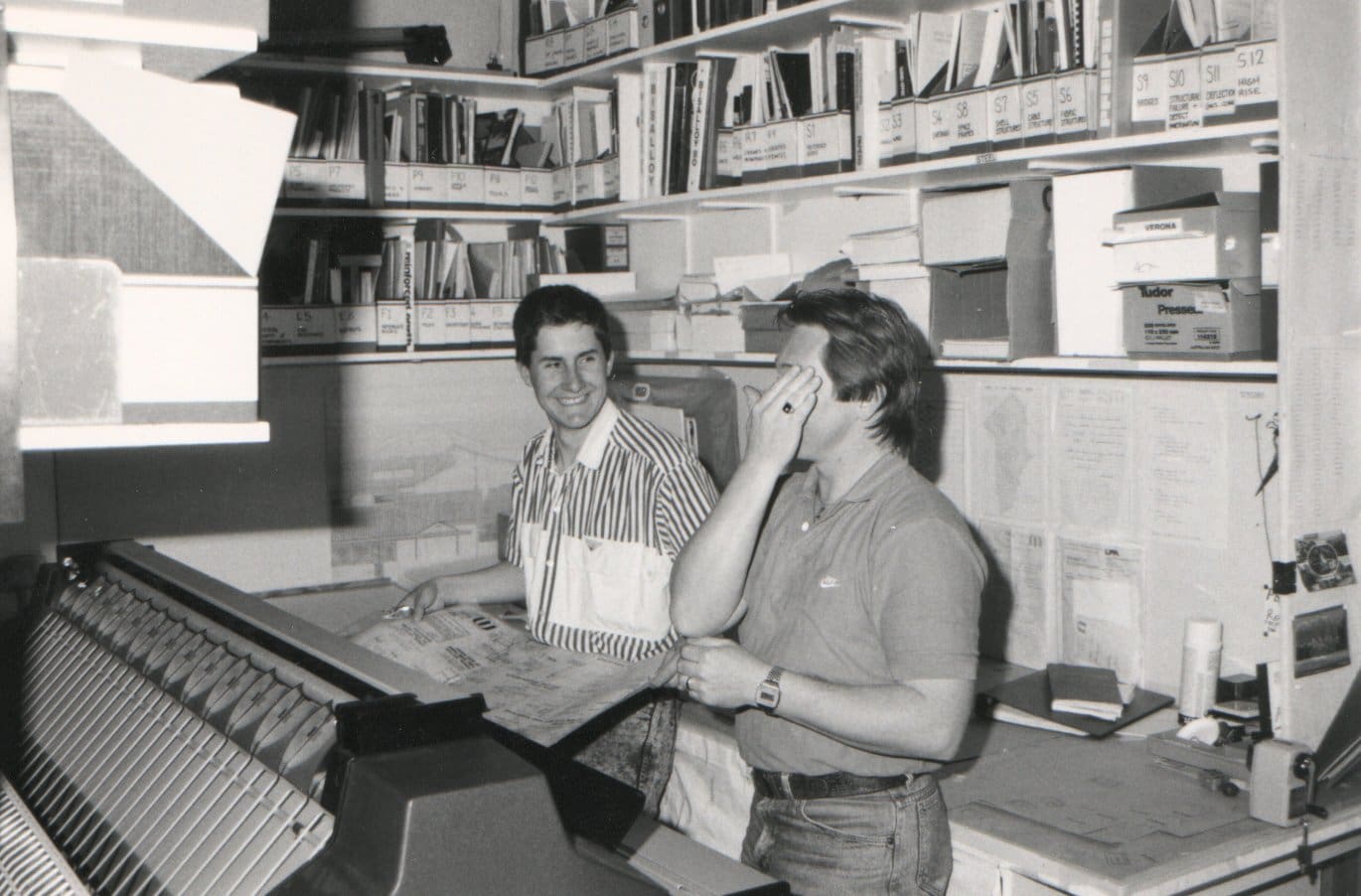
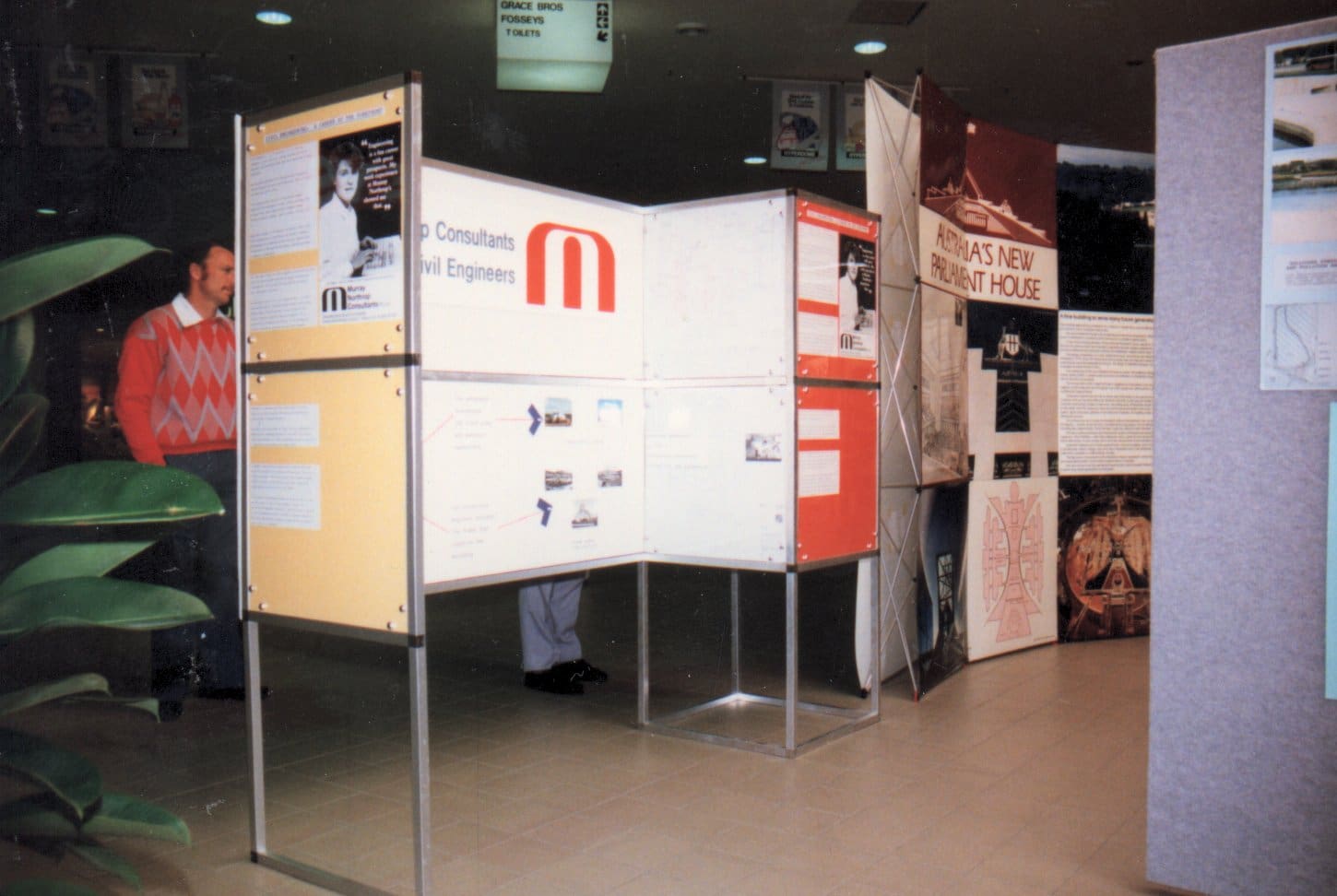
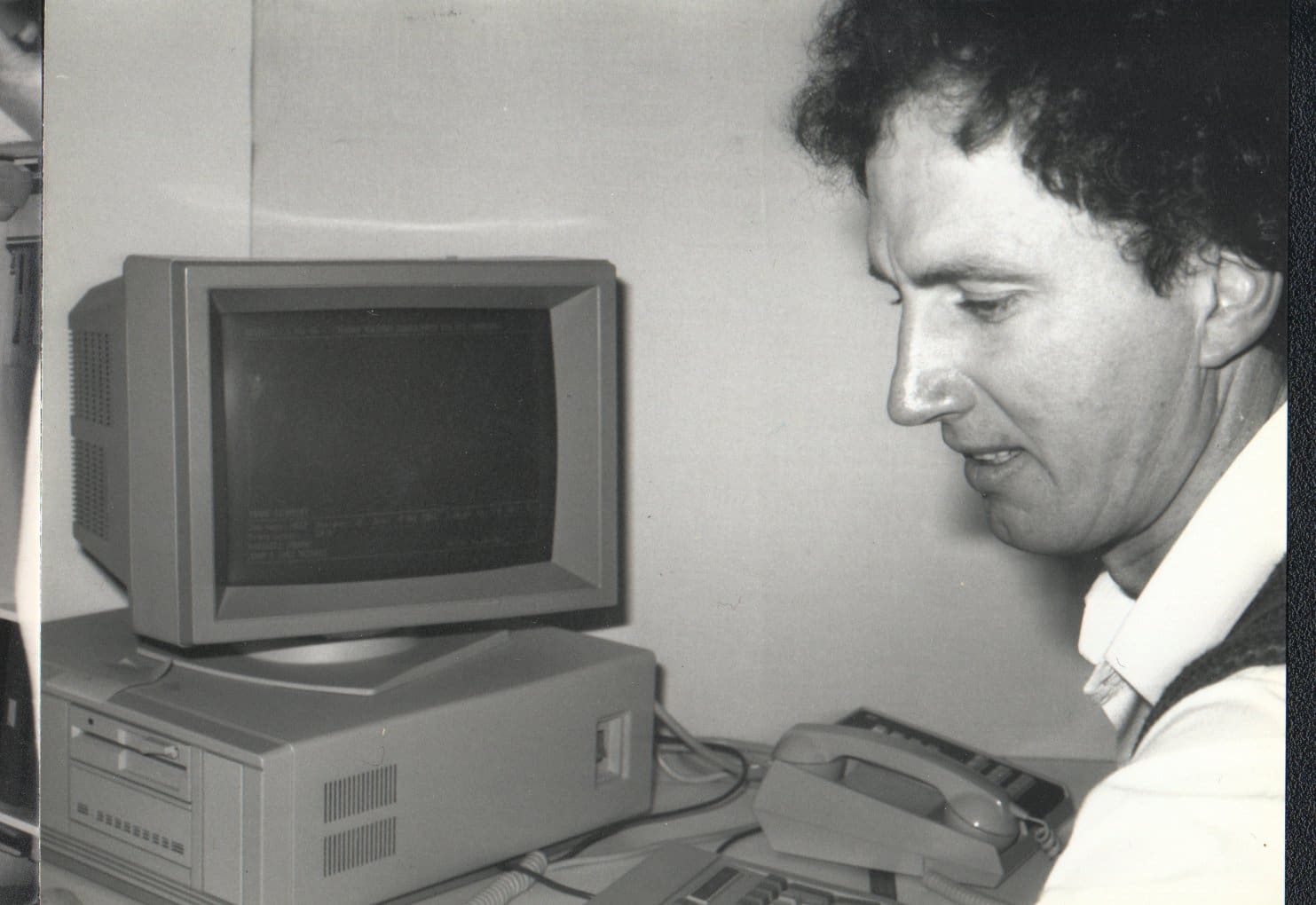
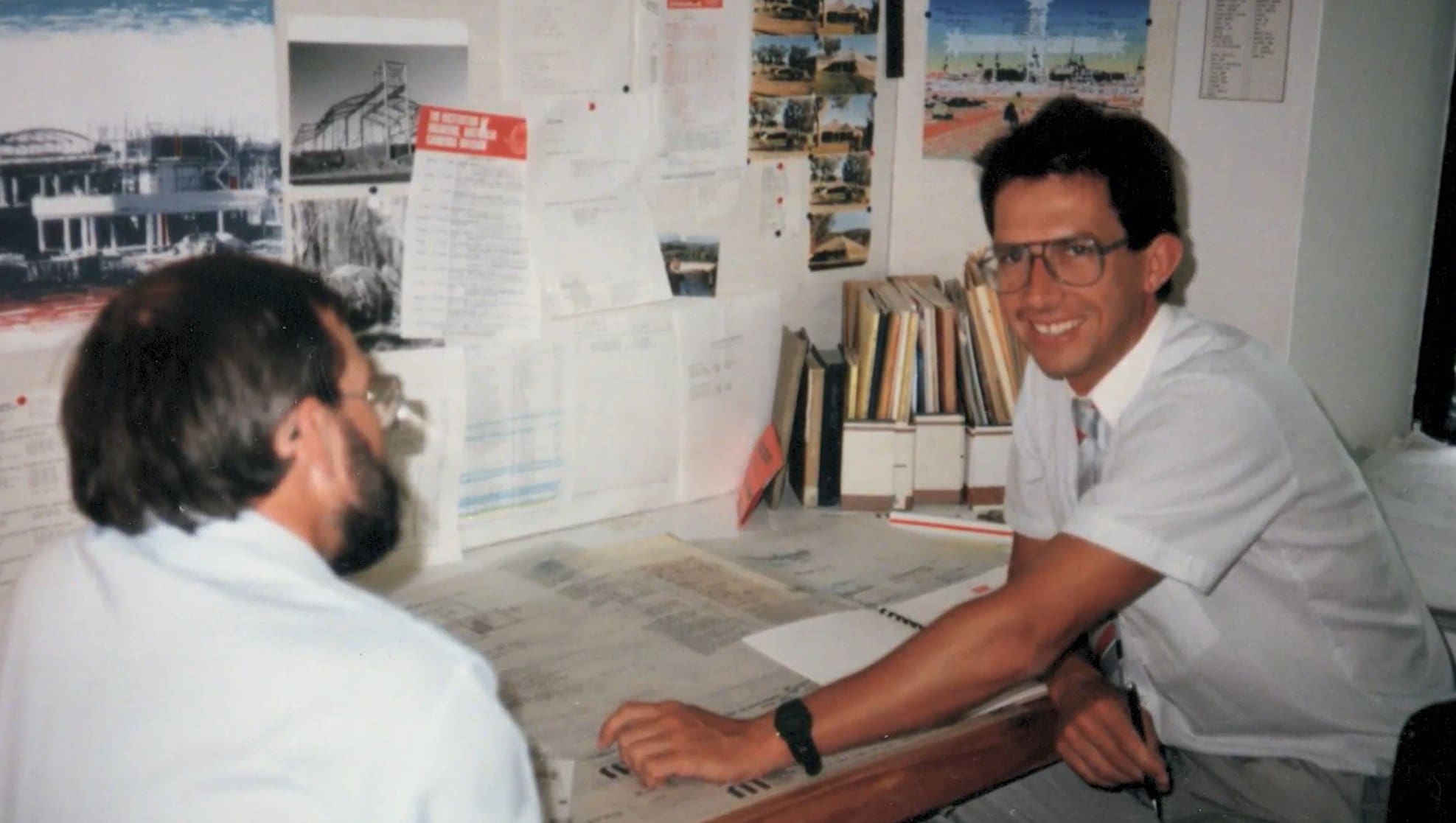
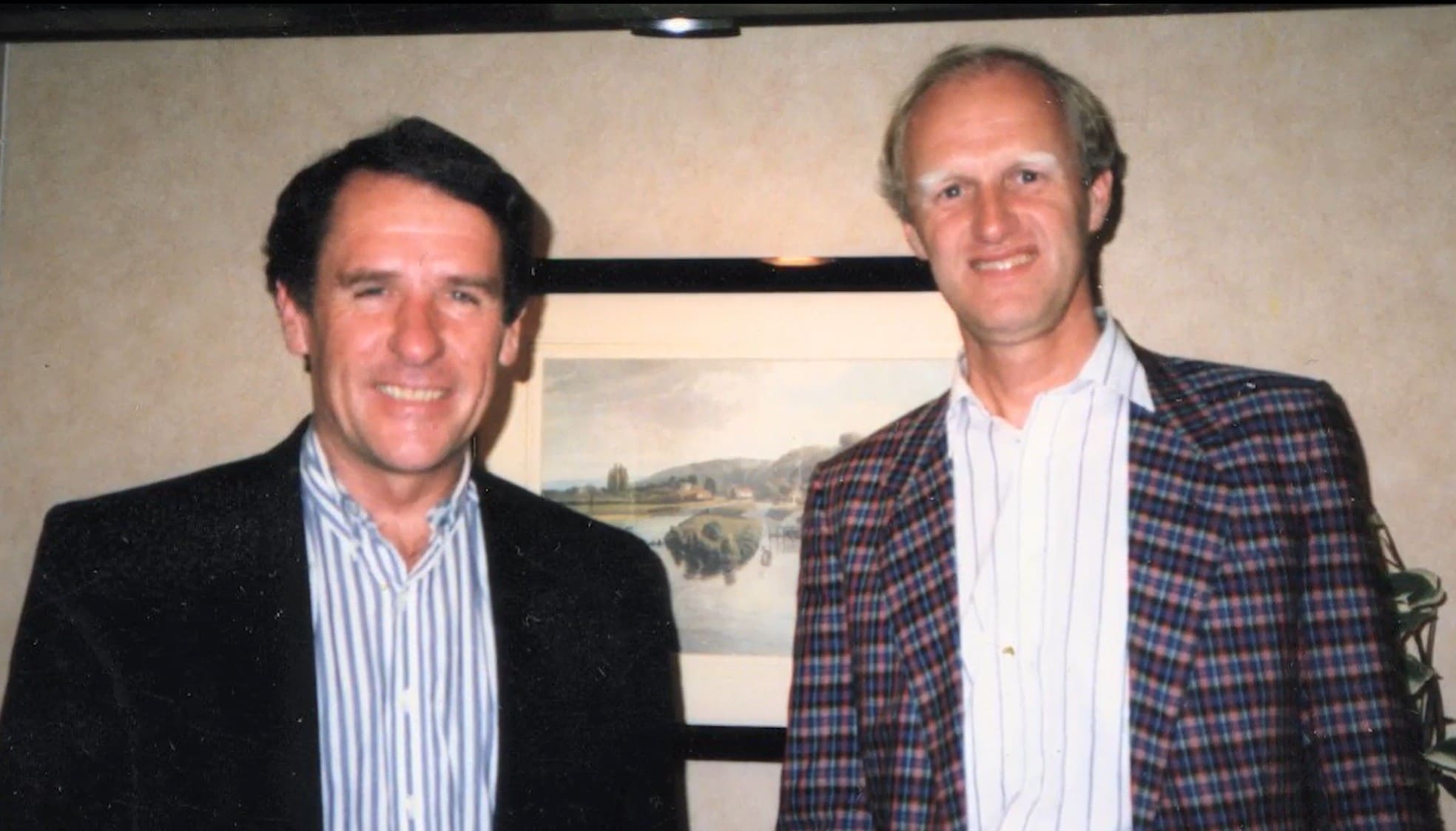
By the early 2000s, Northrop had evolved into a multi-office practice delivering complex projects across both public and private sectors.
Growth accelerated across the decade. Offices were established in Wollongong, the Central Coast, Brisbane and Melbourne, supported by an expanding range of engineering disciplines.
Broadening the professional base of the business, from structural into civil, hydraulic, mechanical, electrical and sustainability, created a more resilient and capable organisation. Geographic spread also played an important role, allowing the business to balance market cycles across regions.
At the same time, systems, governance and planning processes were strengthened to support a larger, more complex organisation.
The focus remained consistent: build capability, support people and create a business that could sustain long-term growth.
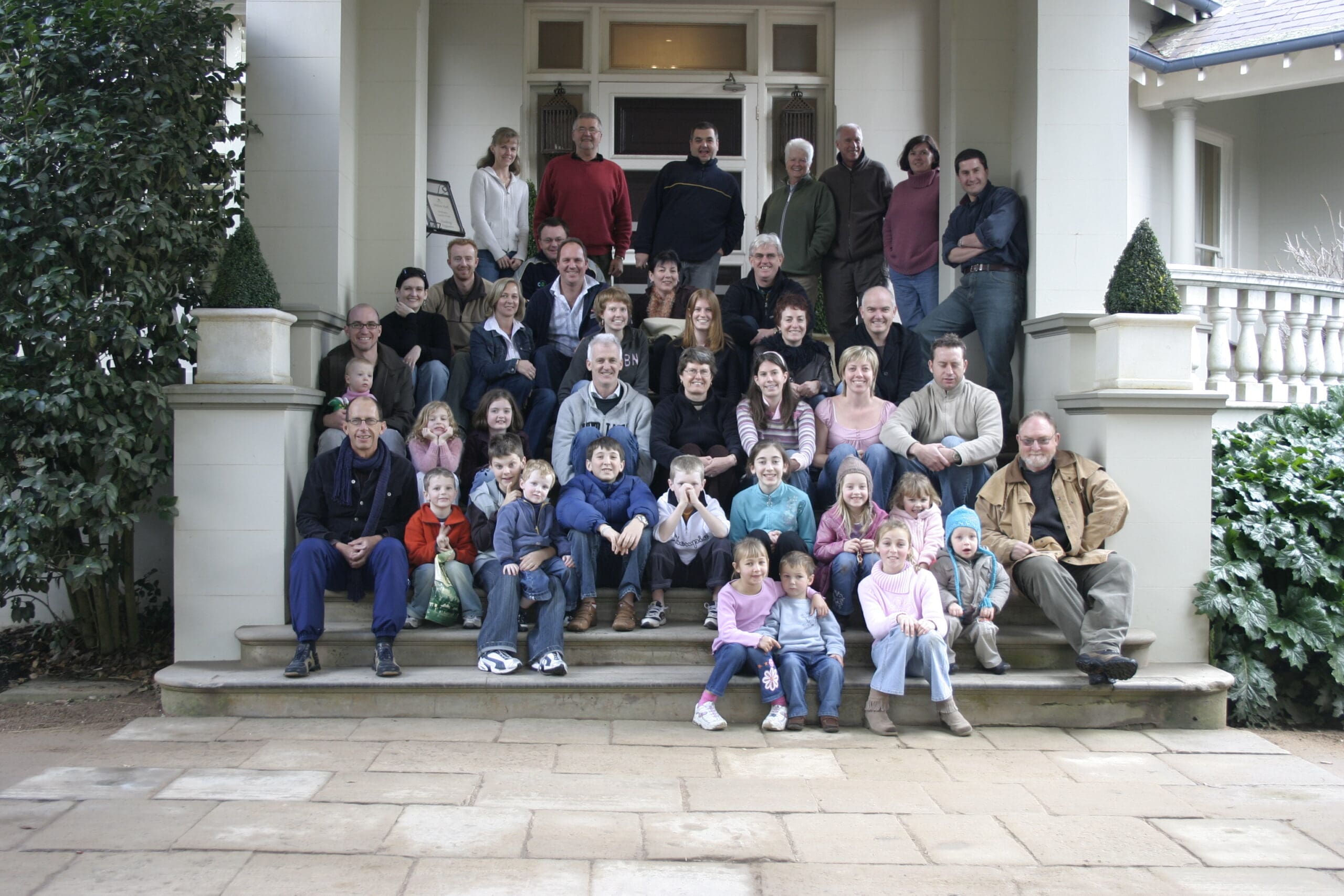
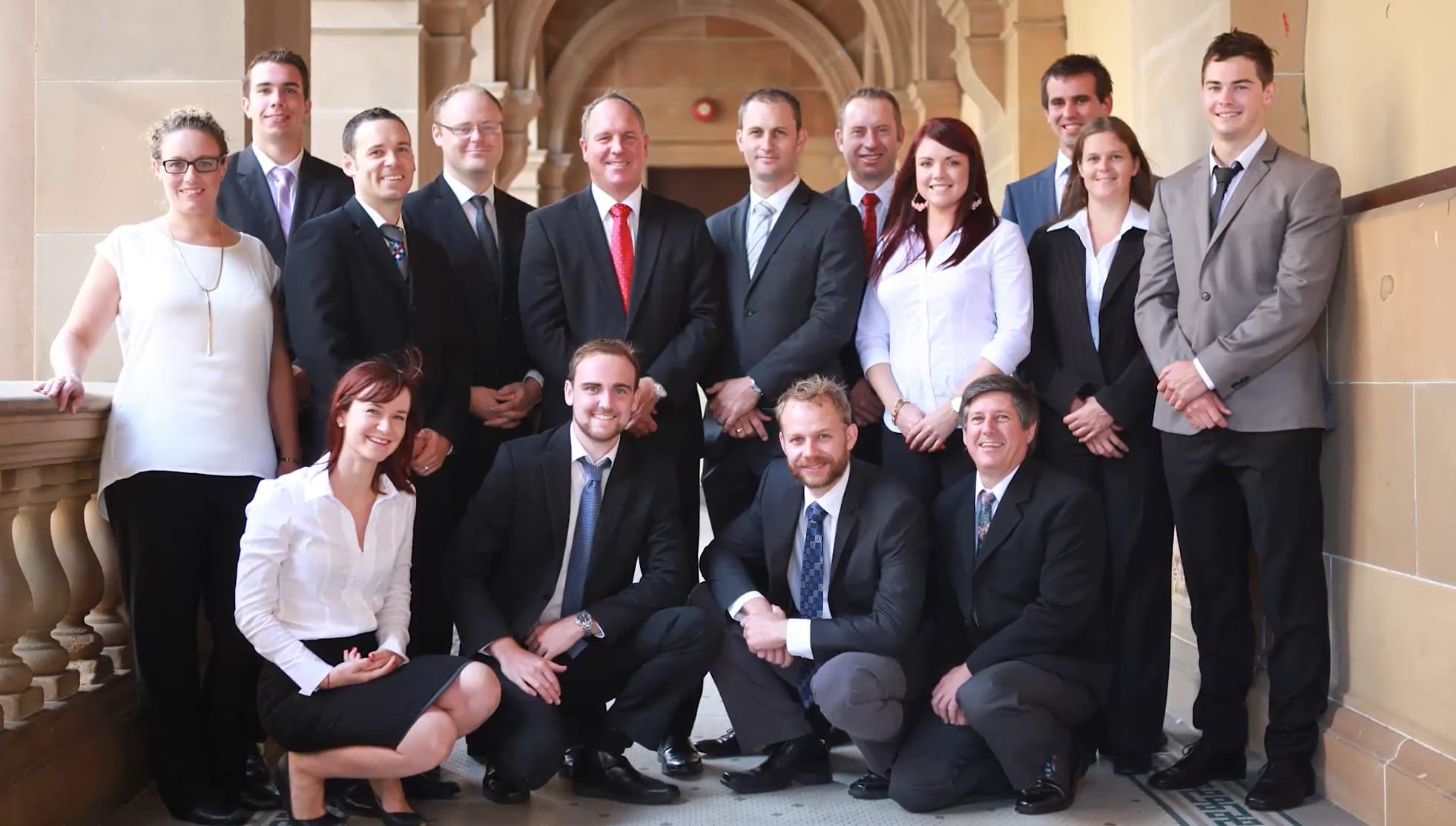
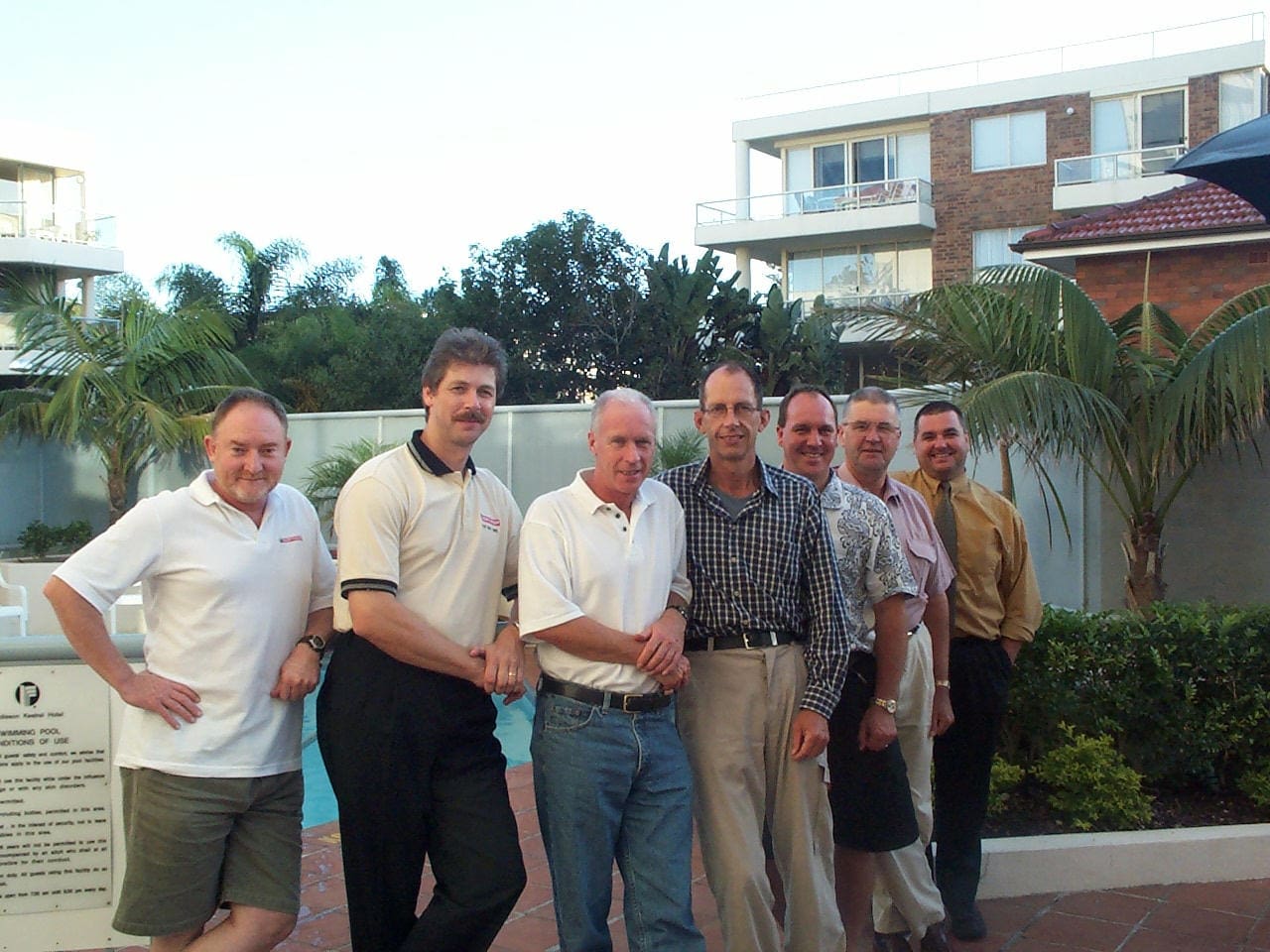
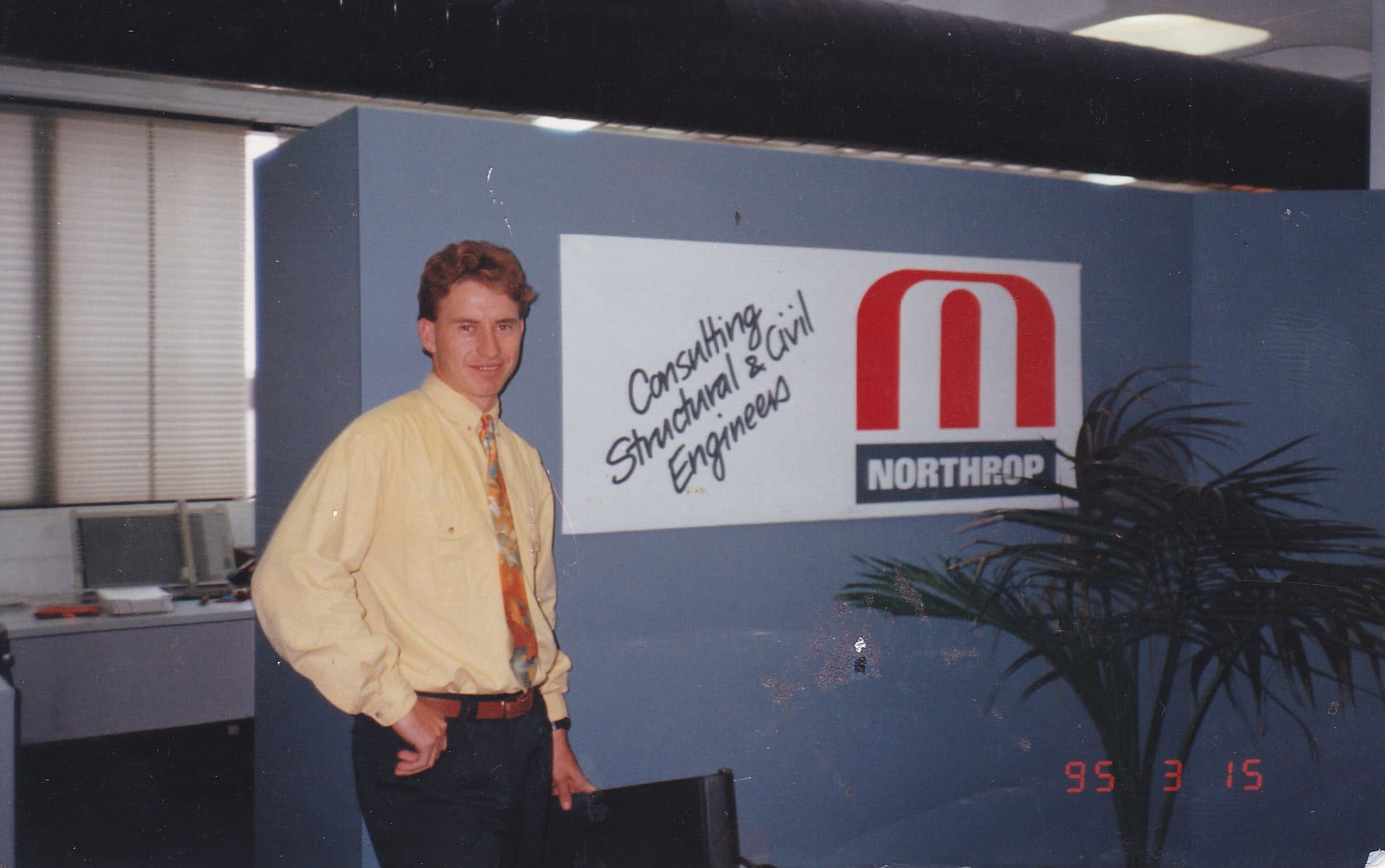
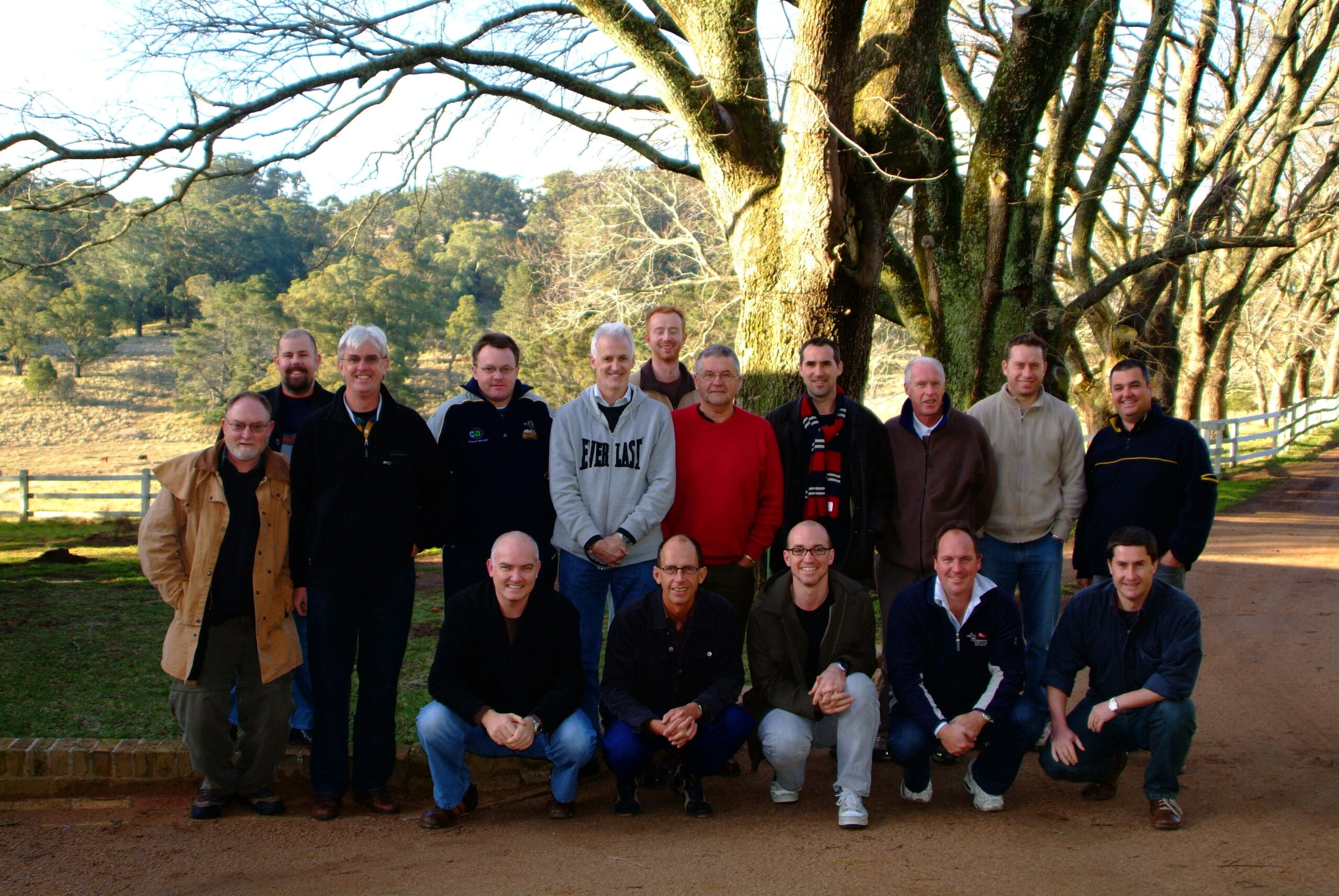
The 2010s brought deeper capability, formal executive structures and a strengthened employee ownership model.
The business navigated significant industry disruption, including the Global Financial Crisis and later the COVID-19 pandemic, with resilience. This was supported by a combination of geographic and discipline diversity, strong internal collaboration and a commitment to maintaining quality and ethical standards.
Northrop’s ownership model continued to play an important role. Shareholding remained tied to employment, reinforcing accountability and long-term thinking. The emphasis was on opportunity and contribution, rather than short-term financial gain.
Succession planning strengthened and cross-office integration increased, while still maintaining the autonomy that allowed offices to respond to local markets.
By 2016, Northrop marked 40 years with 350 staff across seven offices and a national reputation for engineering excellence.
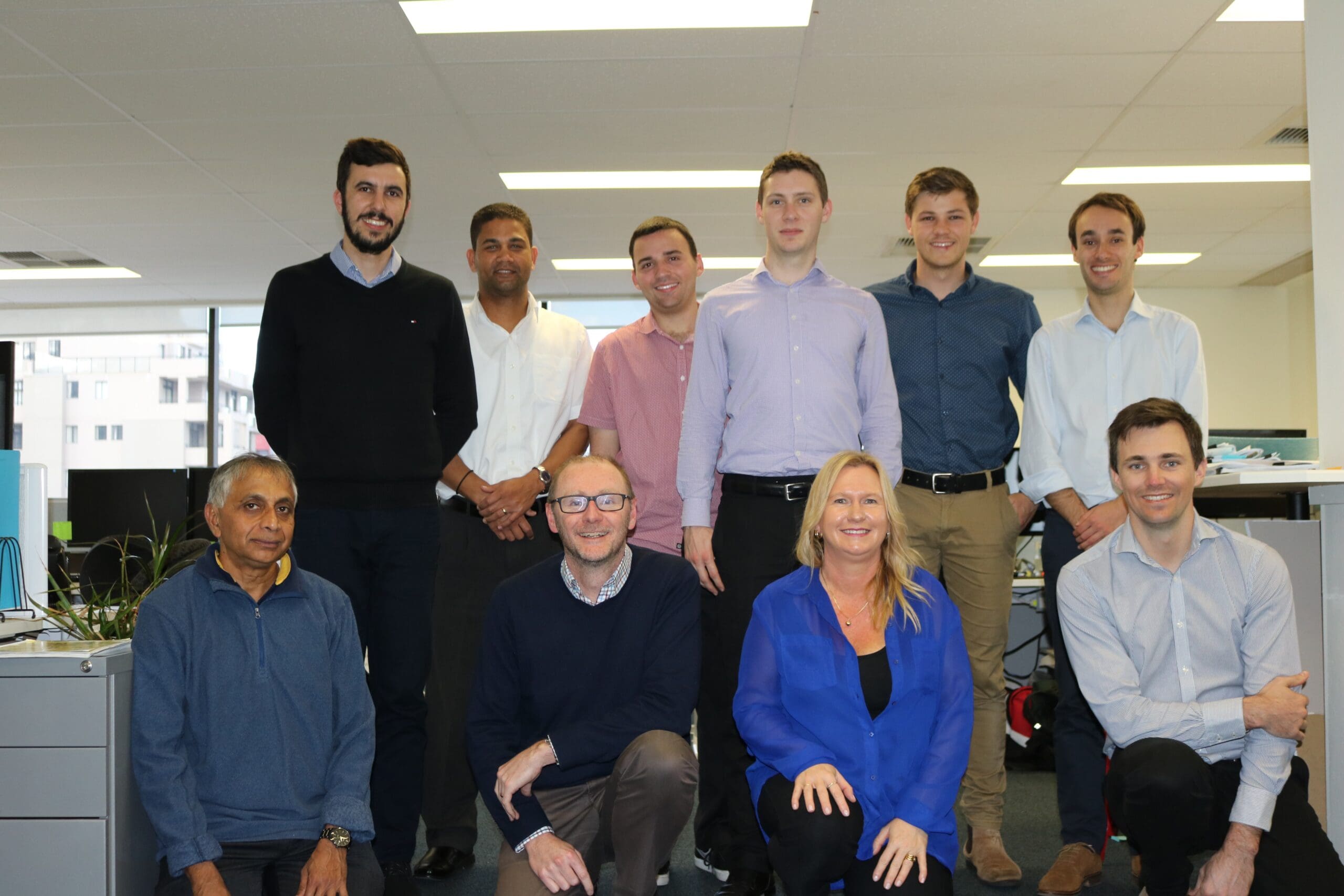
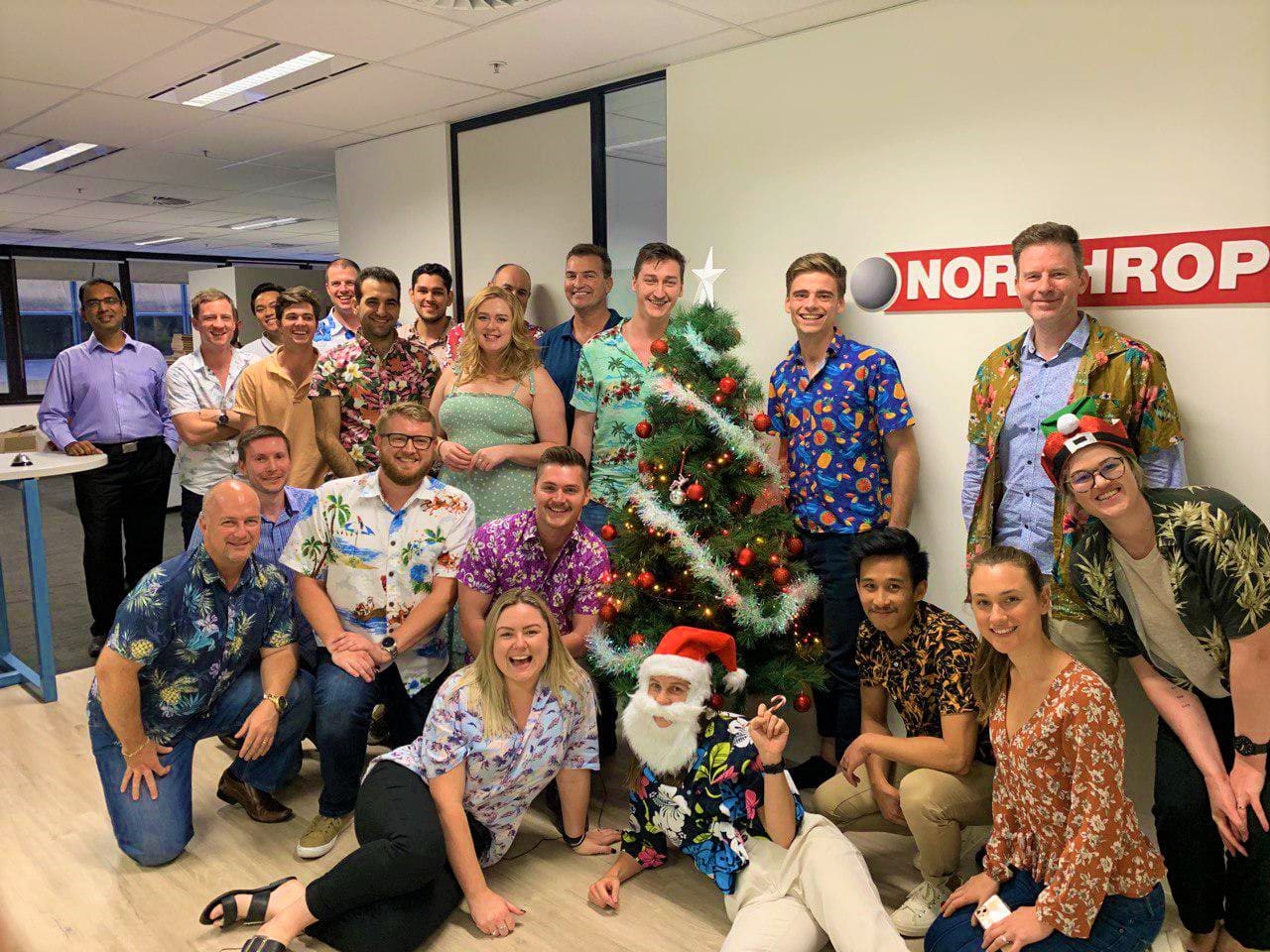
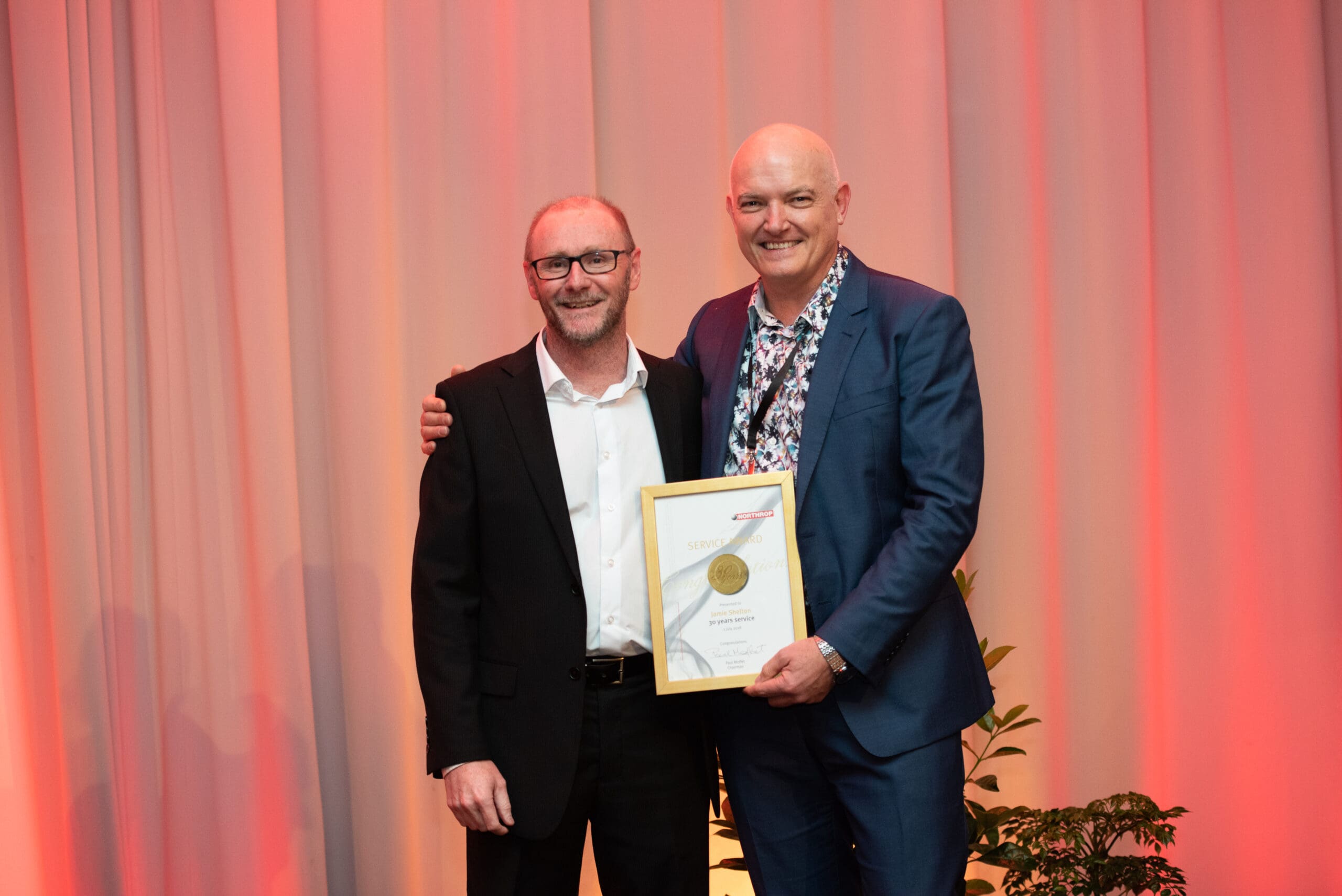
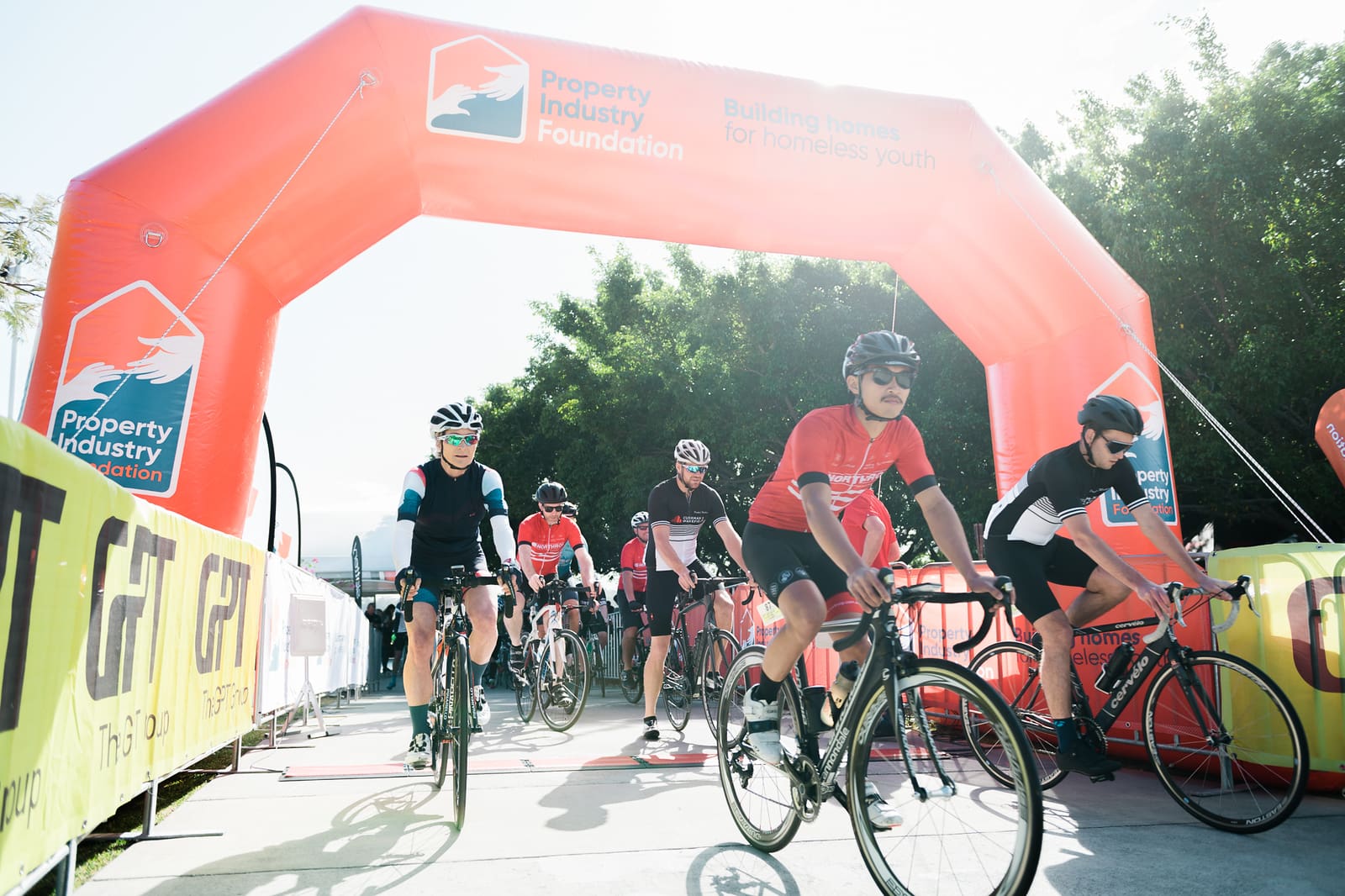
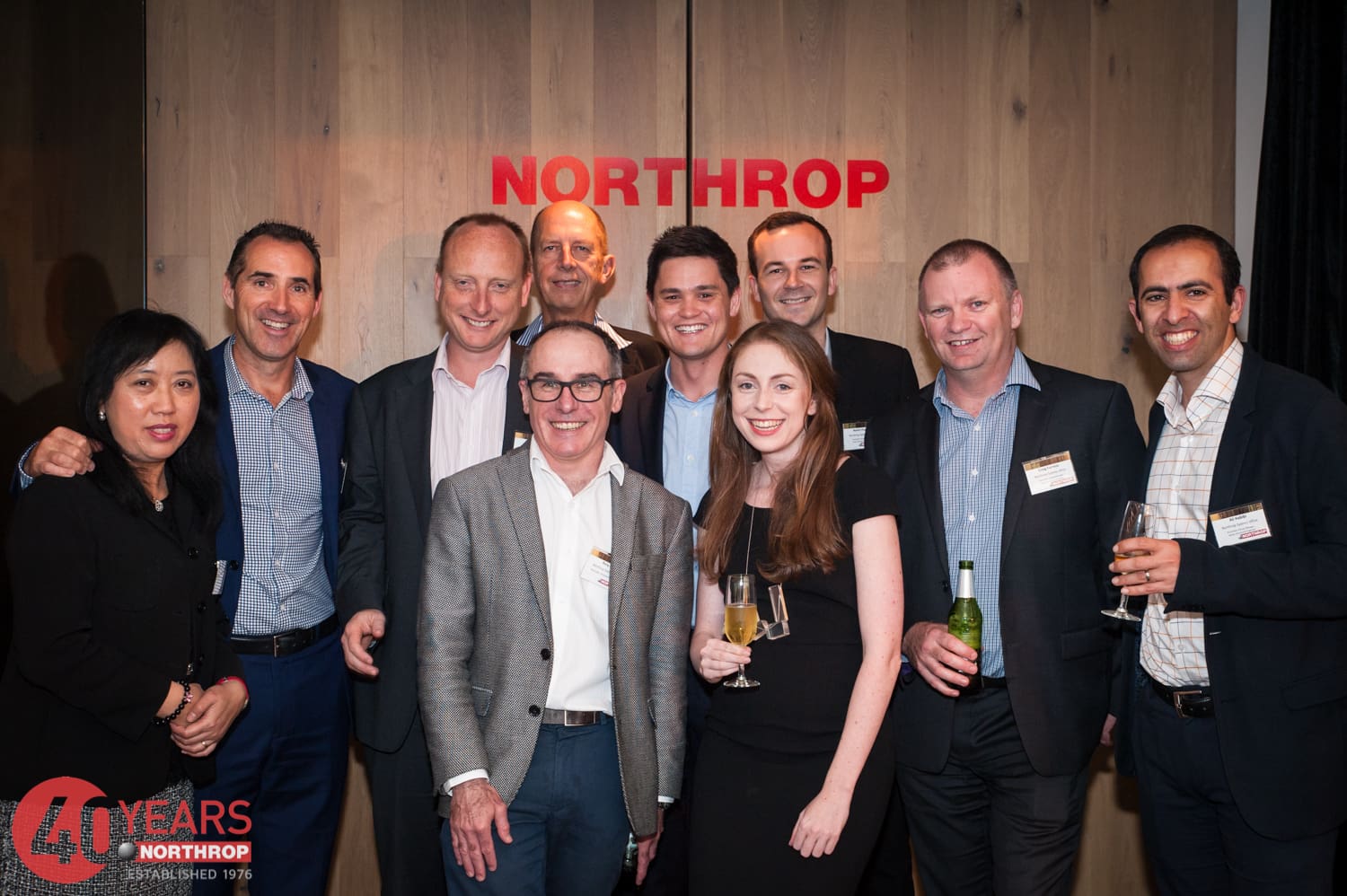
In recent years, Northrop has continued to evolve, strengthening governance, refining leadership structures and investing in long-term sustainability.
The way engineers engage with projects has also shifted. Relationships with builders and clients have become more prominent, while collaboration with architects remains an important part of the process. This reflects a broader evolution in how projects are delivered and how engineering expertise is applied.
Across the business, there is a continued focus on adaptability, innovation and identifying opportunities beyond traditional boundaries. Engineering remains at the core, but the mindset is broader, recognising the business context in which engineering operates.
As an Australian, employee-owned business, ownership is more than a structure. It reflects a shared responsibility to each other, to clients and to the long-term direction of the business.
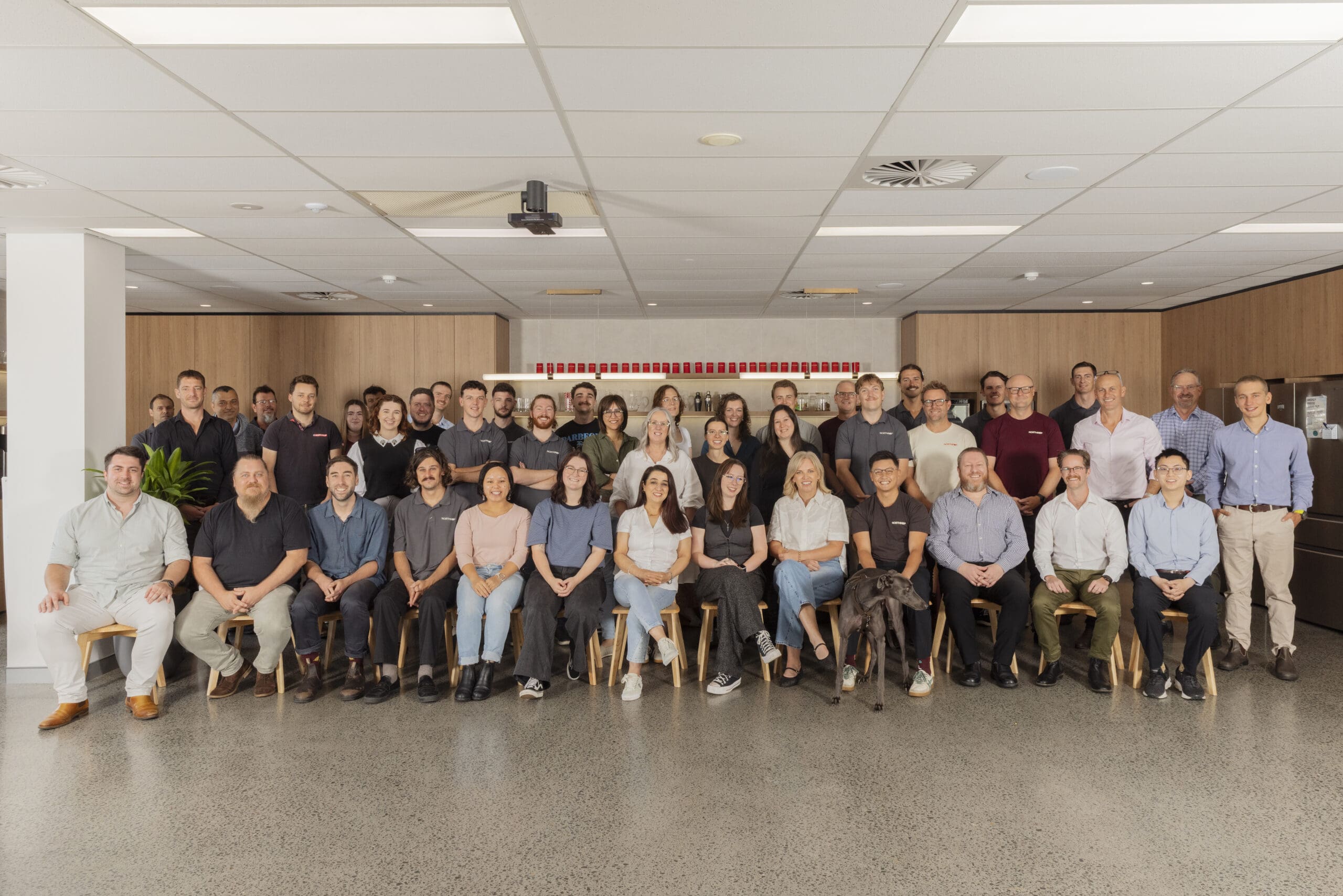
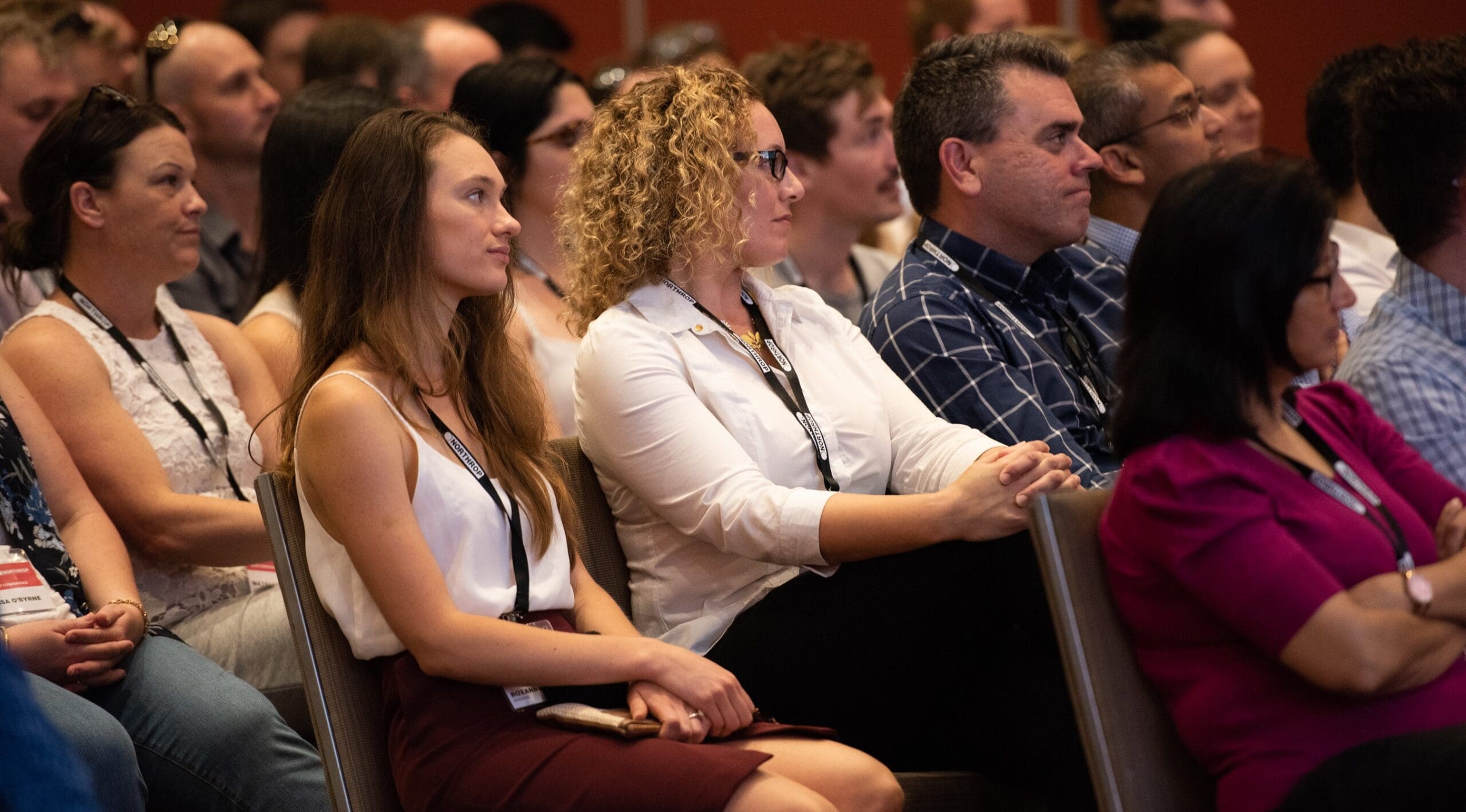
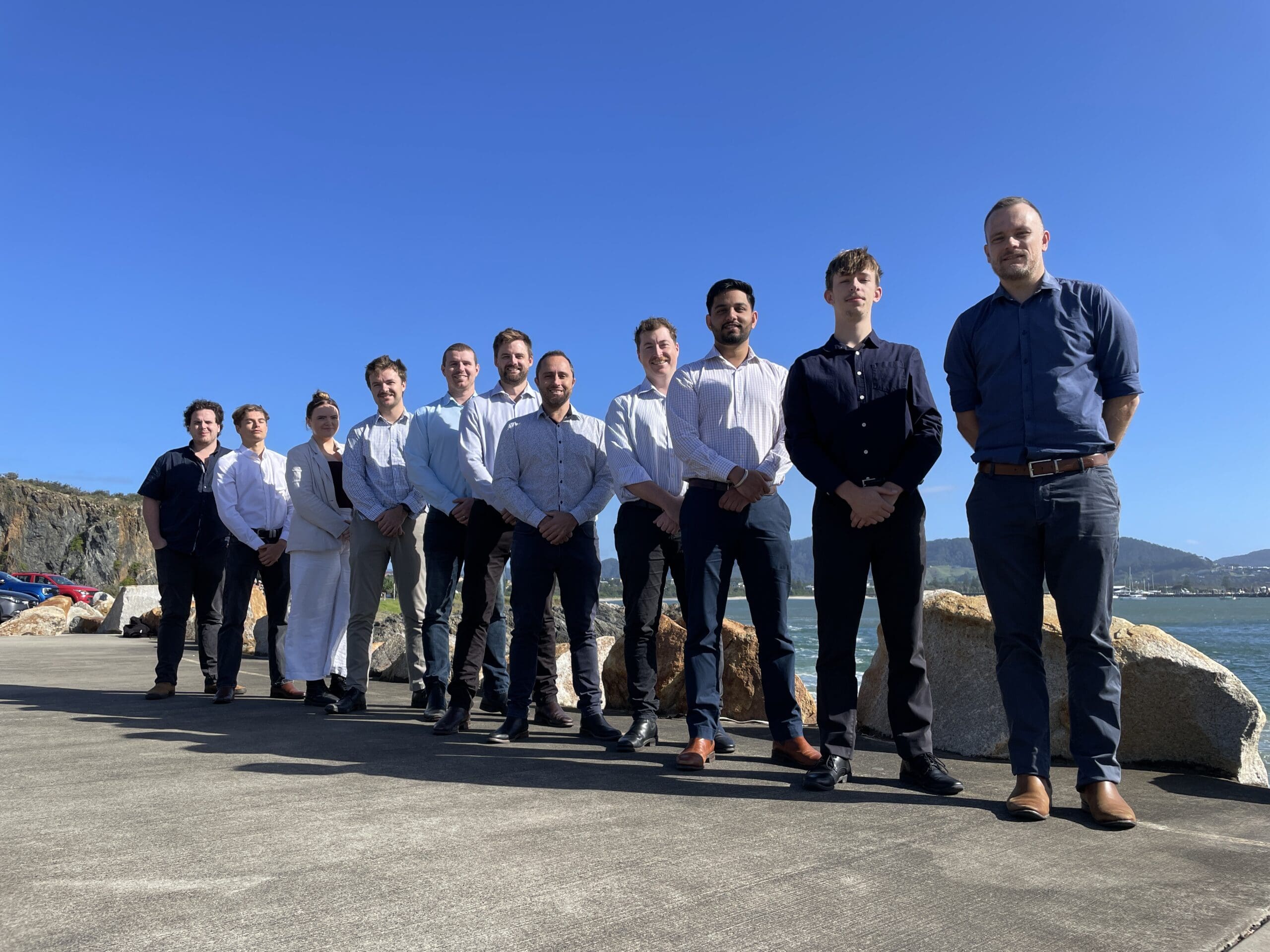
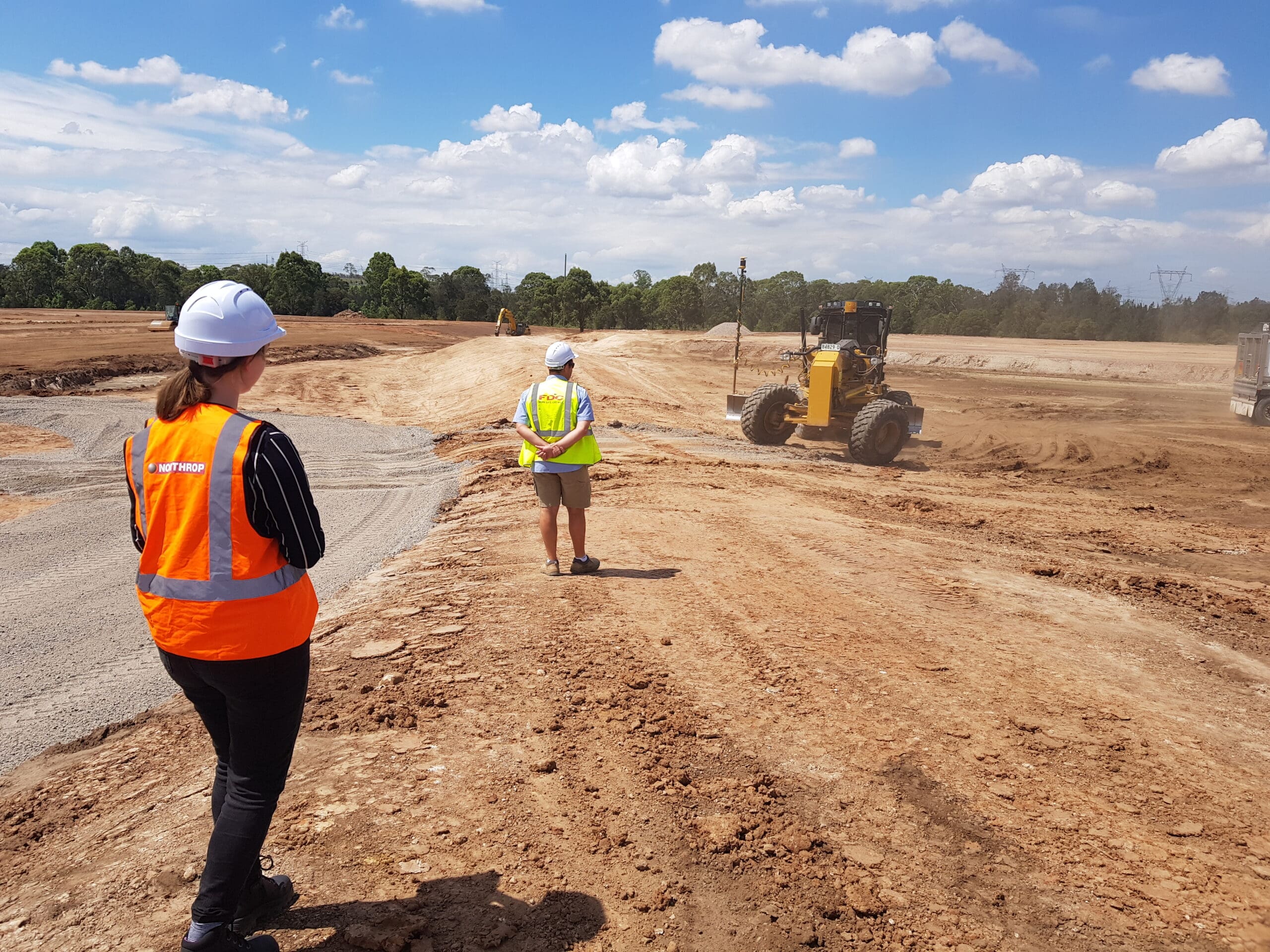
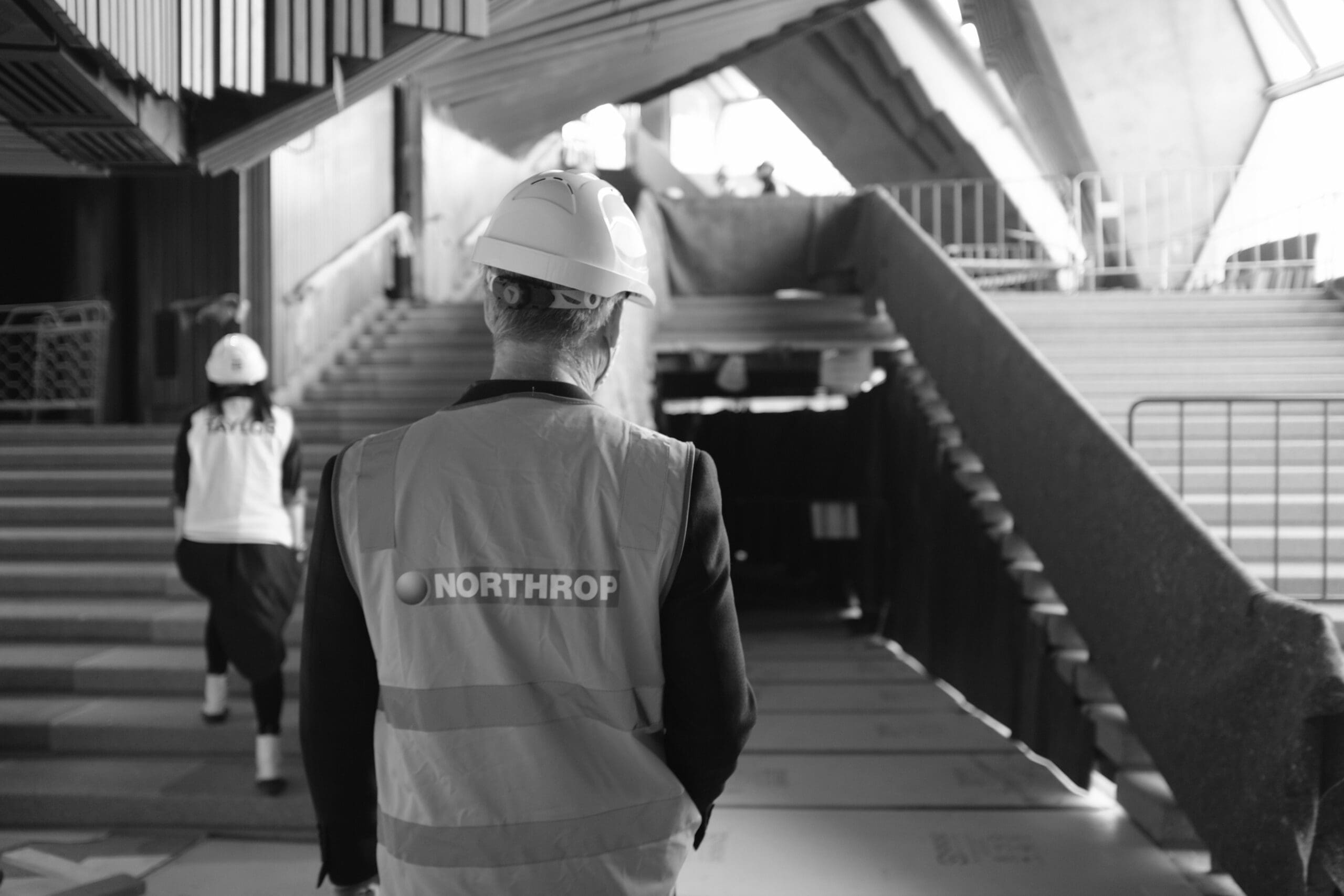

From a Canberra consultancy to a nationally recognised engineering practice, Northrop’s journey has been shaped by steady growth, long-term partnerships and people who take responsibility.
At its core, the business has always been about balance. Balancing technical excellence with practical outcomes. Balancing cost, performance and long-term value. Balancing the needs of clients with the responsibility to deliver work that stands up over time.
That same mindset extends beyond engineering into how the business operates. Long-term relationships, stable growth, thoughtful decision-making and a culture built on trust have created a strong foundation.
Fifty years on, that foundation remains.
The focus now is on continuing to build a business where people can grow, clients can rely on consistent quality and partnerships can endure over the long term.