Skip to Content
Turning architectural ambition into buildable reality

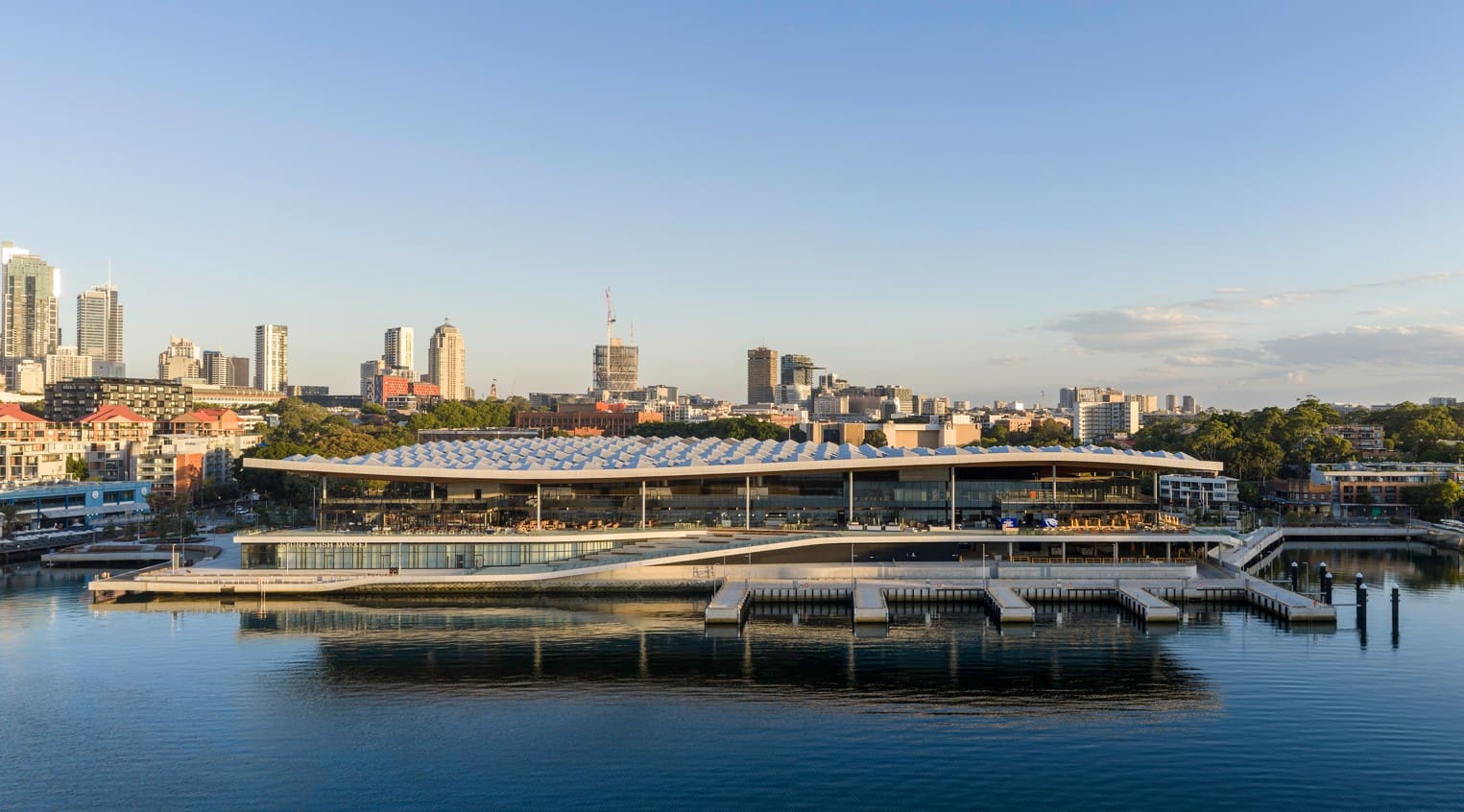
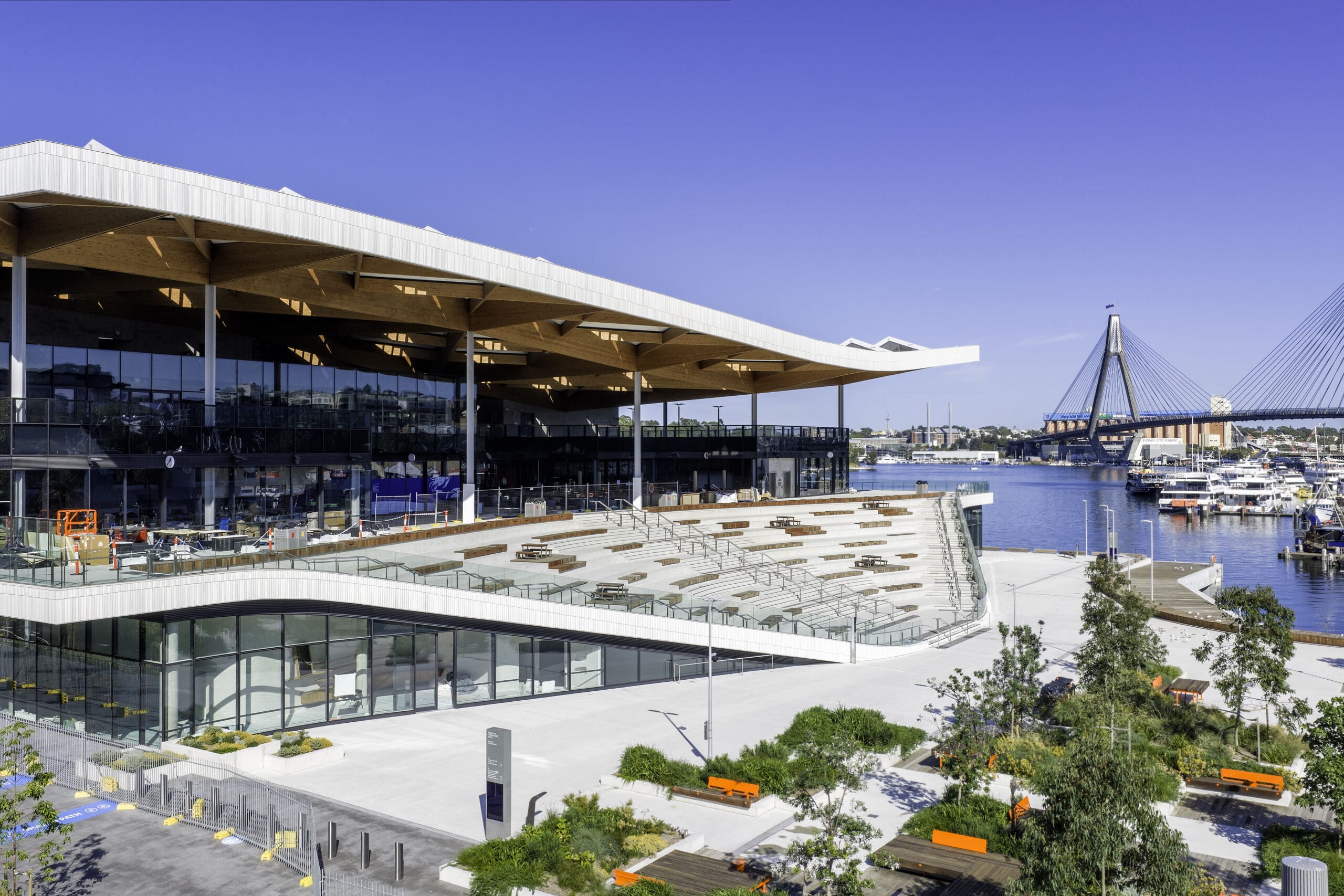
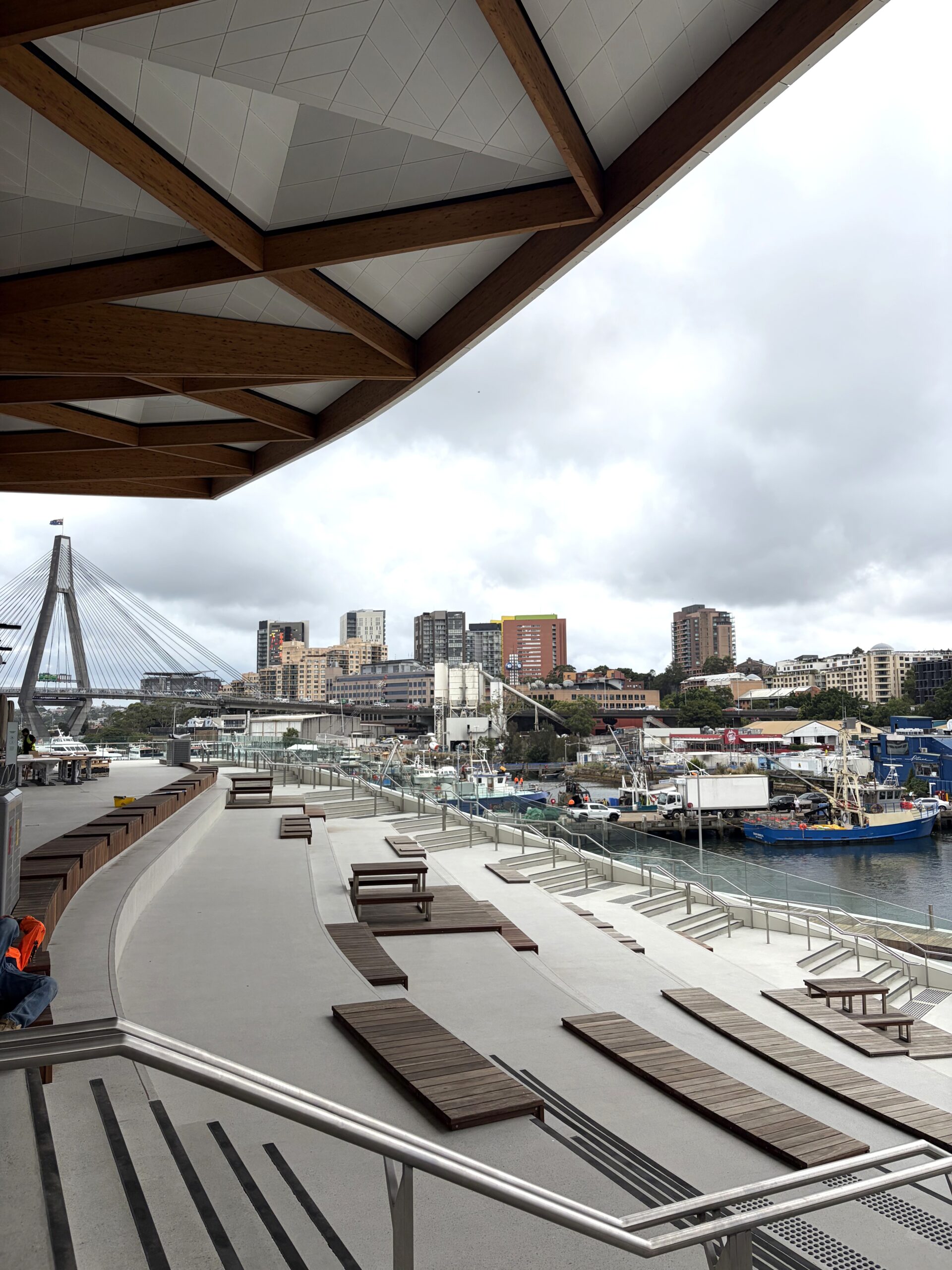
The new Sydney Fish Market is one of the most recognisable civic projects delivered on Sydney Harbour in decades. Designed by BVN in collaboration with 3XN, the project reimagines a working market as a major public destination, defined by a sweeping timber roof that responds to harbour conditions while creating a strong architectural identity.

For Northrop, the project represented a rare opportunity to apply specialist timber engineering at a scale and level of complexity not previously delivered in Australia. The timber roof design and certification was led by Dr Ali Habibi, Principal at Northrop, supported by a dedicated project team with deep experience in complex and engineered timber structures.

A roof that pushed beyond precedent

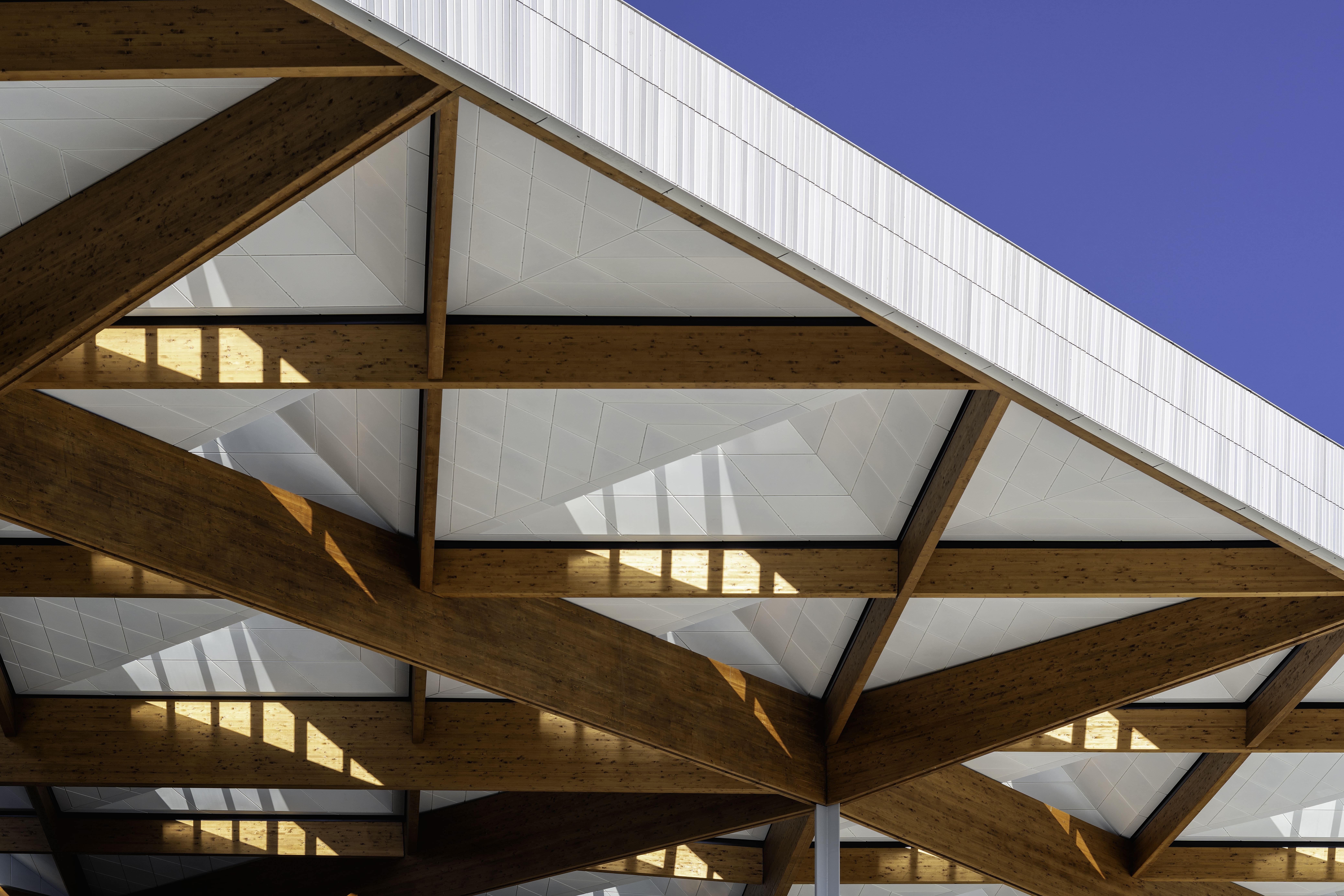
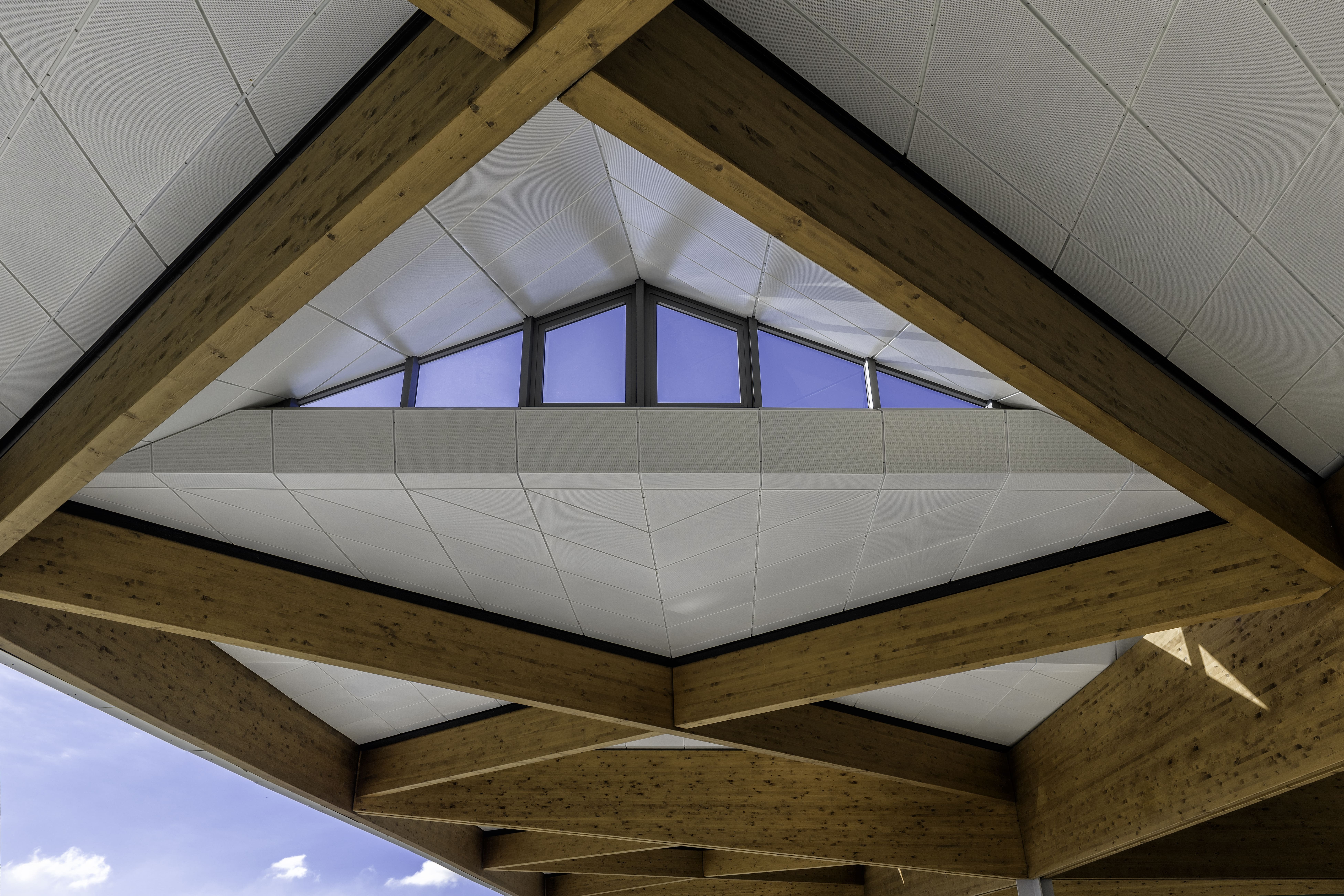
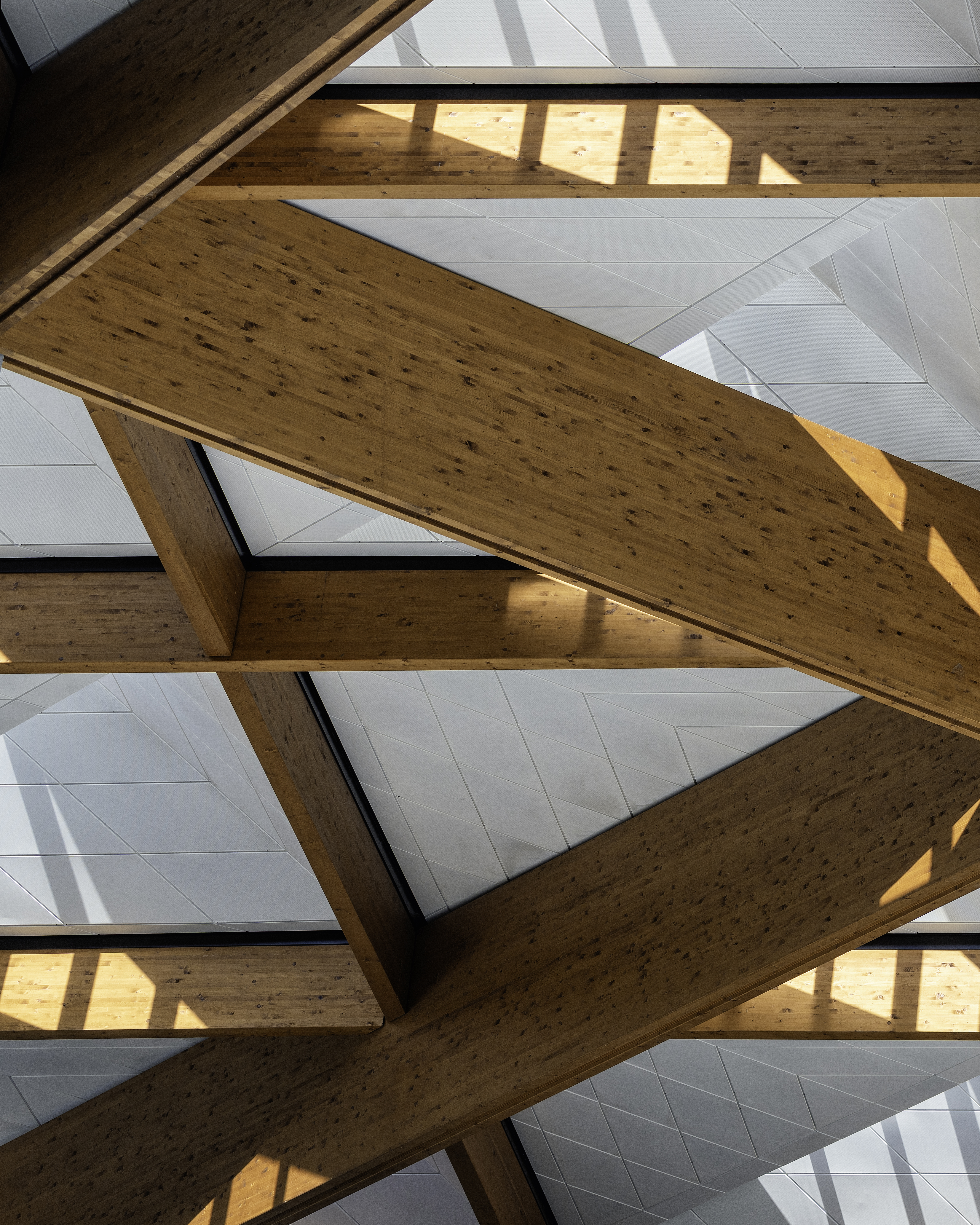
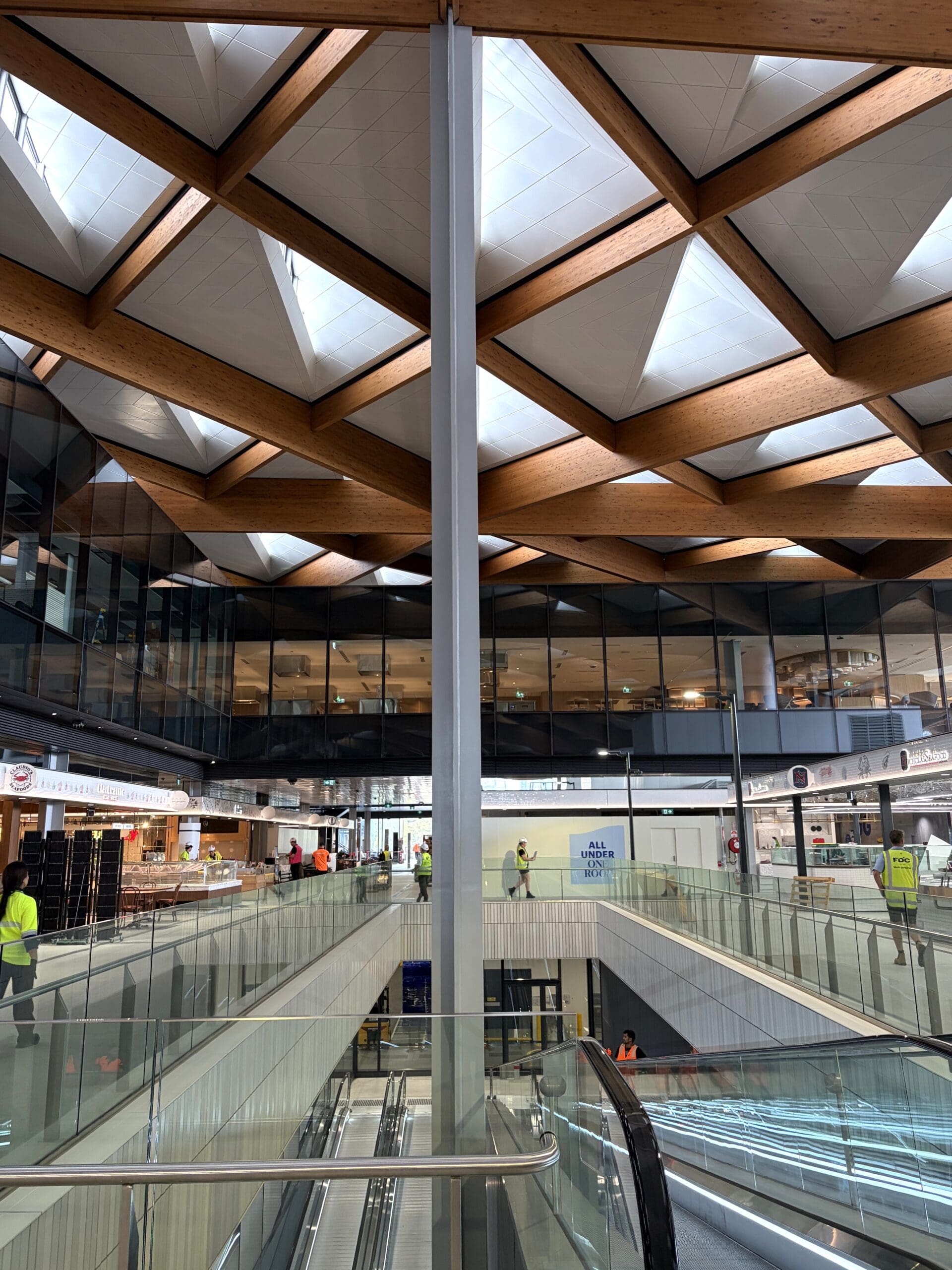
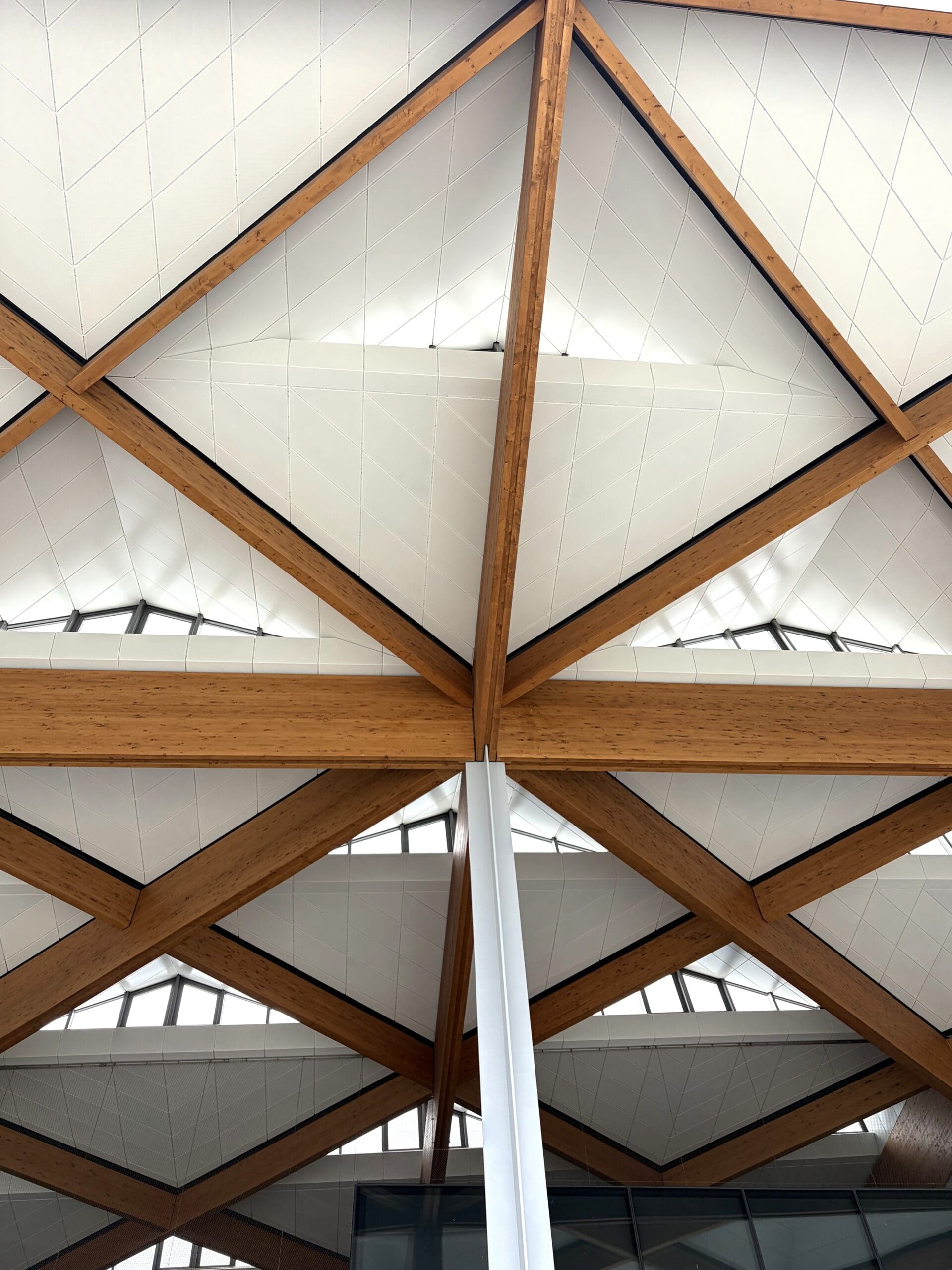
The roof structure spans up to 28 metres, with cantilevers of approximately nine metres, and is formed by a repeating system of timber members converging at complex nodes. In some locations, up to eight individual timber members meet at a single connection, creating significant structural, geometric and constructability challenges.

Compounding this complexity was the project’s coastal setting. Located immediately adjacent to the harbour, the roof is exposed to wind, salt-laden air and a highly variable microclimate. While steel would traditionally be considered for a structure of this scale, timber offered key advantages in durability and corrosion performance, provided it could be designed, detailed and protected correctly.

Independent design leadership and certification

Northrop was engaged as the timber structural engineer and independent design certifier for the roof, working under a tripartite agreement with Multiplex and Rubner, the specialist timber supplier based in Italy.

This commercial structure was deliberate. It ensured Northrop retained full independence as the certifying engineer, undertaking its own analysis rather than relying solely on supplier models. While Rubner led fabrication design, Northrop was responsible for independently designing and verifying the global structural behaviour of the roof, certifying compliance with Australian requirements, and coordinating with the concrete and steel engineers responsible for the substructure.

Designing for Australian conditions

A critical part of the project was translating European timber expertise into an Australian regulatory and environmental context. While the roof was designed using Eurocodes, Northrop led the development of a comprehensive performance solution to demonstrate compliance with the NCC, addressing areas not directly covered by prescriptive Australian standards.

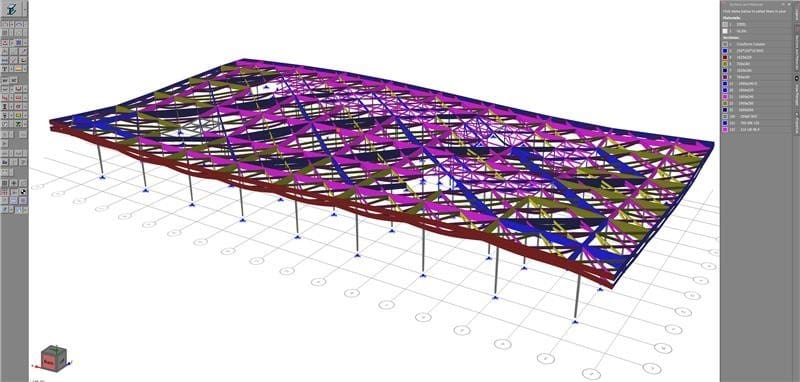
Using engineering analytical software, Northrop developed an independent global model of the roof to assess gravity, wind and seismic actions. This allowed the team to interrogate load paths, test assumptions and refine member sizes and connection forces.
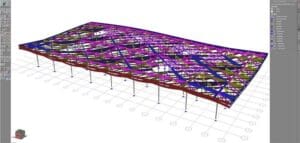

New Sydney Fish Market roof structural modelling. Click here to enlarge image.

Early modelling identified that initial load assumptions would have resulted in oversized members and visually intrusive steel connection plates, undermining the architectural intent. Through iterative analysis and close collaboration with the wider design team, Northrop was able to challenge and refine these assumptions, achieving a solution that satisfied structural performance requirements while maintaining the clarity and elegance of the timber geometry.

Collaboration beyond the screen

The complexity of the connections and the scale of the timber members meant that digital coordination alone was not sufficient. To resolve the most challenging aspects of the roof design, Northrop sent a member of the project team to Italy for three weeks to work face to face with Rubner’s engineering and fabrication teams. This allowed direct engagement around connection detailing, structural modelling and fabrication methodology, as well as a first-hand understanding of the timber product, factory processes and installation sequencing.

The in-person collaboration enabled design challenges to be worked through more efficiently than would have been possible remotely, particularly given the scale of the members and the intricacy of the node connections. Observing the physical assembly of large timber elements revealed practical constraints not immediately evident in digital models, informing refinements to connection detailing and construction sequencing. This hands-on engagement also supported meaningful knowledge transfer between European timber specialists and Northrop’s local engineering team, building capability that extends well beyond this project.

Managing construction risk

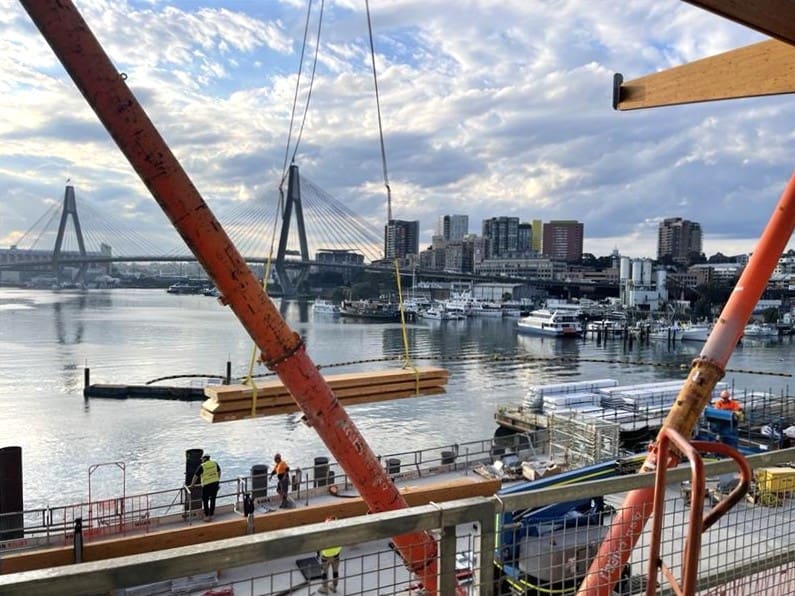
While Northrop’s primary scope focused on design and certification, the team also provided additional services during construction, including review of lifting and handling of the timber elements and extended moisture monitoring.

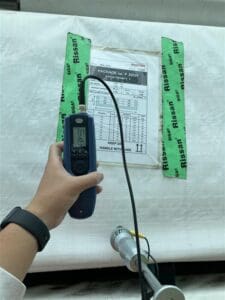
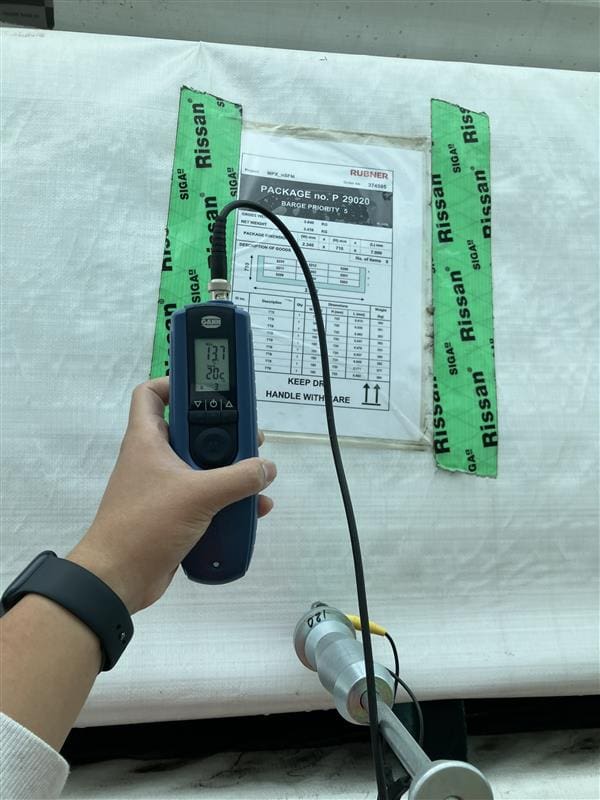
Delays to the broader program meant that fabricated timber elements were stored on site for extended periods, increasing the risk of moisture uptake. Northrop undertook ongoing inspections, testing and reporting over a twelve-month period to verify moisture content and confirm the suitability of the timber prior to erection. This proactive involvement helped protect the long-term performance of the structure and reduced downstream risk during installation.

Northrop monitoring of timber moisture content. Click here to enlarge image.

A model for future timber structures

The new Sydney Fish Market roof demonstrates what is possible when architectural ambition is matched with rigorous engineering, early collaboration and independent design leadership. For Northrop, the project reinforces its capability in large-span timber structures, performance-based design and complex certification pathways.

It also builds on an established relationship with Rubner, following earlier collaboration on Eric Tweedle Stadium, and positions Northrop to support future civic, cultural and infrastructure projects where timber is used not just as a material, but as a defining structural expression.

“The success of this project relied on technical expertise and our ability to collaborate closely with multiple parties to resolve complex challenges.”

Dr Ali Habibi
Principal | Structural Division Manager, Northrop

Image credit: Chris Cook Photography

Back to all news

Related news

Huntlee: Why long-term partnerships are critical for long-term project success

In a significant achievement for Australian public architecture, Powerhouse Castle Hill has been awarded the Sir Zelman Cowen Award...

Read More

New pedestrian bridge taking shape in Eumundi, QLD!

Read More
Josh Neil Northrop Stadium Design 101 UQ September 2025

Stadiums, legacy and the next generation of engineers

Read More
independent project verifier

Why Choosing the Right TfNSW Project Verifier Matters

Read More
View all news
Back to top