Skip to Content
Northrop-Shanica-Hall-Sydney-Build-Ambassador

Engineering has always involved balancing materials, cost, constructability and performance.

Those choices shape whether something endures and remains valuable to communities over time.

Shanica Saenrak Hall’s work sits within that context, with a focus on how those decisions contribute to something that lasts in the environments they help shape. Her approach reflects a broader ambition to build a career that contributes meaningfully to the industry, with sustainability as a core part of that.

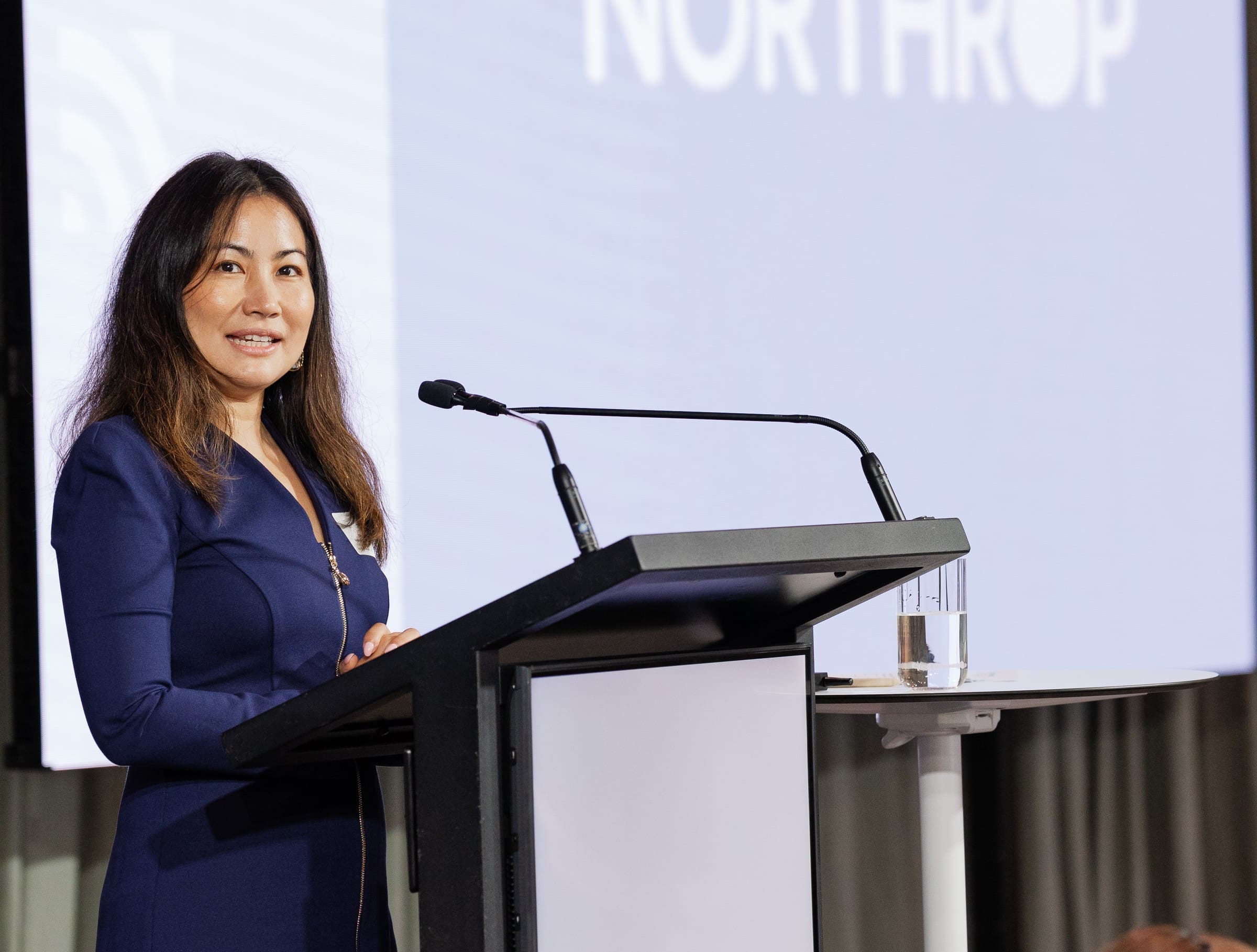
As part of the Sydney Build Ambassador program, Shanica was recently interviewed, sharing her perspective on the industry and the role engineers play in shaping outcomes for both current and future generations.

Read the full interview, originally published by Sydney Build, below.

Ambassador Interview Series | Voices of Sydney Build – Shanica Hall

1) A short Bio

Shanica Saenrak Hall is a senior sustainability consultant and group manager at Northrop Consulting Engineers, working across architecture, advisory and industry advocacy.

She supports high-performance, wellbeing-led outcomes through Green Star, WELL, Living Future and Passive House, and is passionate about creating healthier buildings and stronger pathways for women in construction.

2) Fun fact + What sparked your passion for sustainability?

Fun fact: I once did stand-up comedy a couple of years ago. It sounds more daunting than it was – it was for sustainability crews, so friendly faces and partners in crime.

It taught me clarity of communication: you have to set up the context so when the punchline lands, people laugh… and you still have to keep your rhythm when they laugh longer than you expected.

What sparked my passion: I’ve always cared about how buildings affect people day to day, including comfort, health, performance, and equity. The built environment is one of the biggest levers we have for climate action.

Once you connect those dots, you realise that Sustainability isn’t an “extra”; it’s part of responsible design.

3) What defining moment/project shaped you as a leader?

A defining moment for me was in the third month of my second maternity leave. Having a bit more thinking time gave me a strong urge to safeguard our planet for the next generations – including my two daughters.

Around that time, a senior leader at dwp (now Suters ARCH) encouraged me to pursue WELL accreditation in addition to Green Star. It felt right and made me very happy. I then pursued Living Future accreditation and became a Certified Passive House Designer.

That was the point at which I began shifting from a community-oriented project-architect role into a sustainability advisory role – both internally and through peak bodies – to influence outcomes at a larger scale.

4) What needs to change for more women to reach senior roles?

Persistence and integrity matter – and sometimes you do have to work harder to get there. As a collective, we also need to make the pathway fairer.

One of the biggest changes is building stronger systems: transparent progression, flexible work that doesn’t come with a career penalty, and leadership that actively sponsors women into visible opportunities.

Culture matters too – respect and psychological safety can’t be optional. For anyone coming up: please don’t give up. Find your people, keep your standards, and keep going.

5) Biggest untapped opportunity for sustainability professionals in Sydney over the next decade?

Sydney is doing well, helped by strong sustainability frameworks across government and the private sector that are pushing “good practice” into the mainstream.

Where I see an untapped opportunity is the mainstream residential sector. If we raise the bar for housing – thermal comfort, energy performance, electrification readiness, indoor air quality, and resilience – the impact is huge because it touches everyday life at scale.

6) Where have you seen “people + planet” shift a team’s thinking?

For me, it comes back to the collective approach: we’re responsible for our ecosystem as a collective, and it works better when we support each other and celebrate differences.

When teams genuinely design for wellbeing, biodiversity and inclusion, including neurodiversity, enhancing ecosystem and health equity, something shifts. It stops being a “nice to have” and becomes the definition of good design. When that mindset is embedded early, it influences decisions throughout design and construction, not just at the end.

Source: Sydney Build Expo Blog

Back to all news

Related news

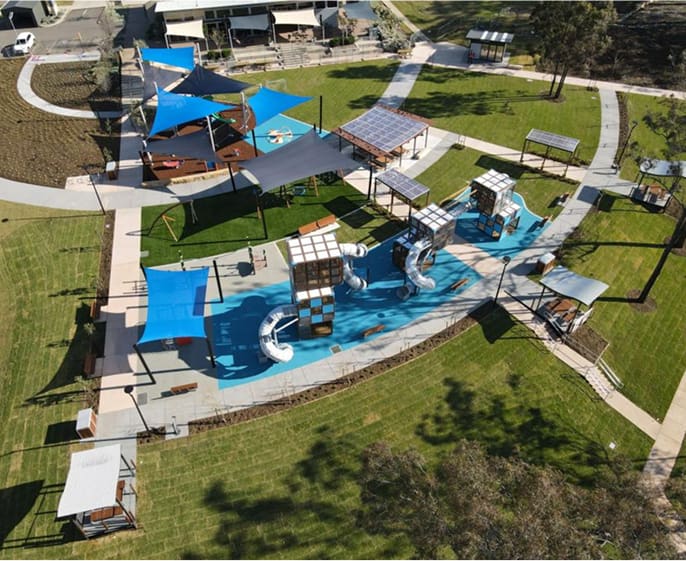
Huntlee: Why long-term partnerships are critical for long-term project success

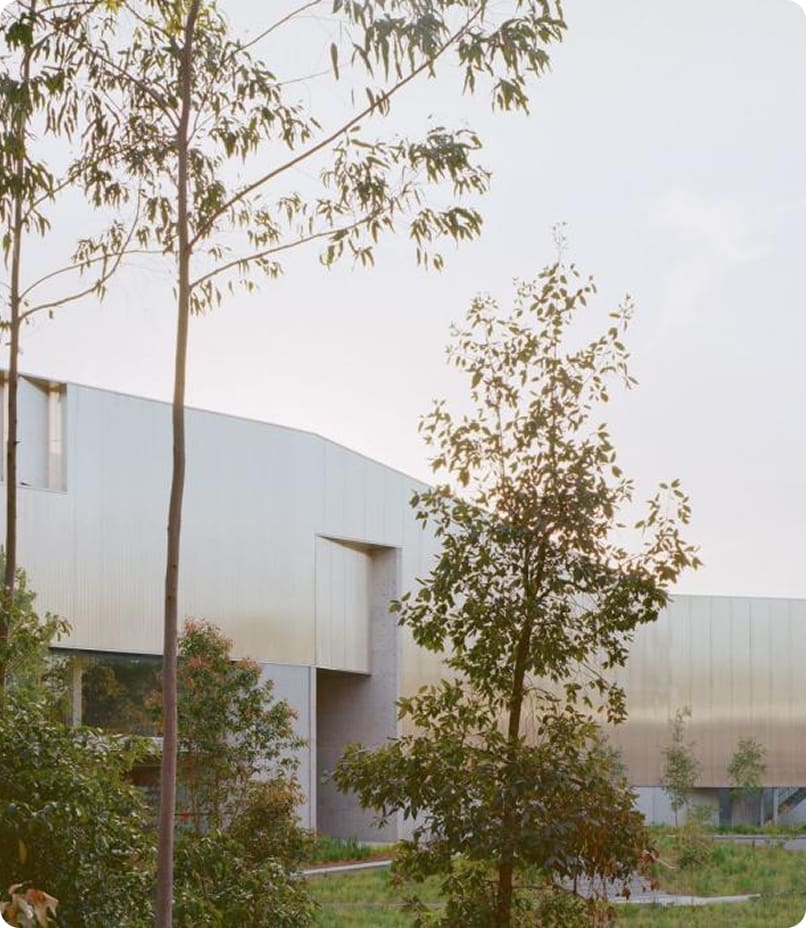
In a significant achievement for Australian public architecture, Powerhouse Castle Hill has been awarded the Sir Zelman Cowen Award...

Read More
Blog 1

Powerhouse Castle Hill wins prestigious national architecture award

In a significant achievement for Australian public architecture, Powerhouse Castle Hill has been awarded the Sir Zelman Cowen Award for Public Architecture...

Read More
Josh Neil Northrop Stadium Design 101 UQ September 2025

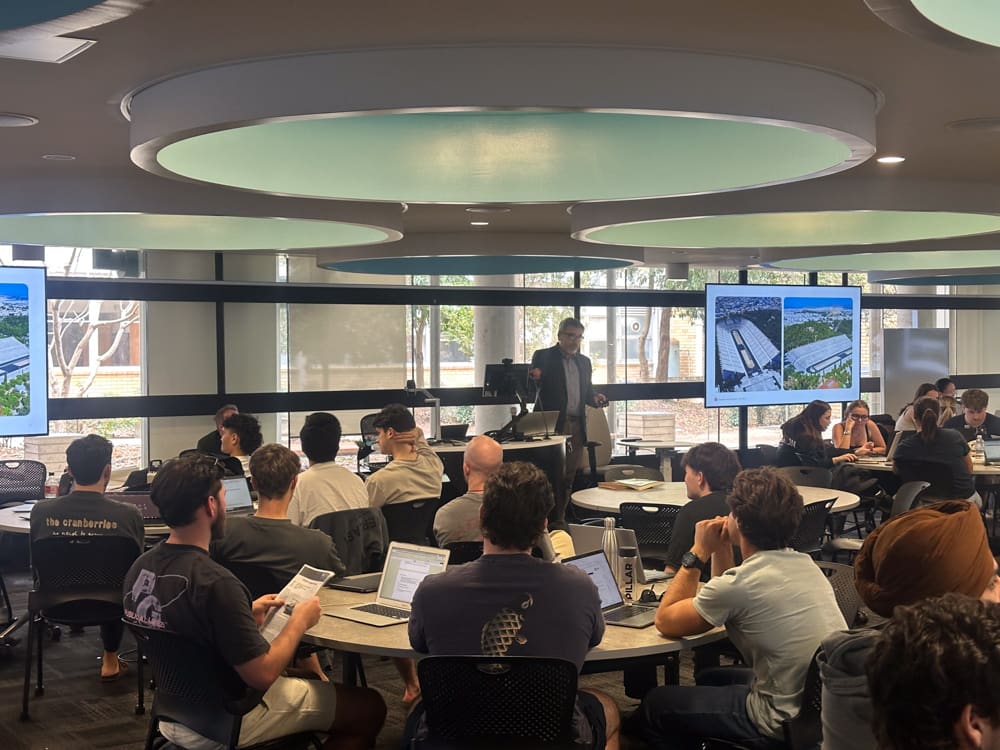
Stadiums, legacy and the next generation of engineers

Read More
independent project verifier

Why Choosing the Right TfNSW Project Verifier Matters

Read More
View all news
Back to top