Skip to Content
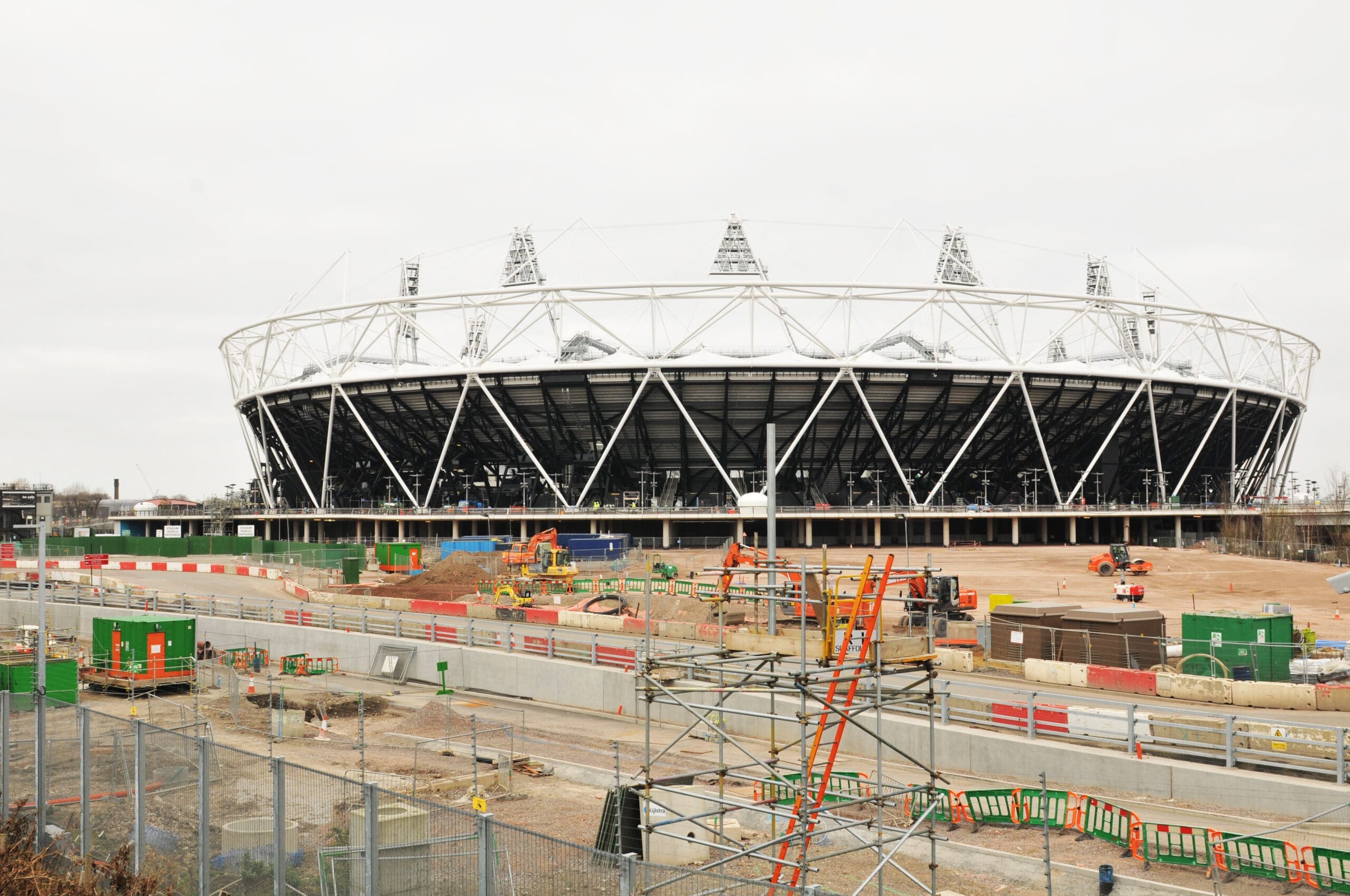
LONDON, UK - MARCH 6, 2011: London 2012 Olympic stadium under construction

Local insight and international Games experience shaping Olympic precinct delivery.

Before a stadium opens, before spectators arrive, and before architecture defines a skyline, civil engineers have already shaped how an Olympic precinct will function.

While people often associate Olympic infrastructure with stadiums and arenas, it is the civil engineering beneath and around them that determines how a precinct moves, connects and operates long after the Games are over.

For Northrop civil engineers Sam Killoran and Steve McClelland, this systems-level thinking is what makes large-scale infrastructure projects compelling. Together, their experience spans South East Queensland sports and community infrastructure, major international programs and the London 2012 Olympic precinct.

Sam’s career has been built across Brisbane and South East Queensland, delivering civil design for sports facilities, schools, subdivisions and development precincts. Steve brings international experience across major infrastructure programs in the Middle East and London 2012, before settling on the Gold Coast.

Together, their perspectives combine deep local knowledge with lessons learned from globally significant infrastructure programs.

Civil engineering starts the story

Civil engineering is often one of the first disciplines engaged on major precinct projects- long before the broader design is fully resolved- and expected to move quickly. It is the discipline responsible for establishing how a site will function, from access and servicing through to levels, drainage and movement across the precinct.

Engineers must establish site levels, servicing strategies and access routes while other elements of the project are still evolving. It requires confident decision-making under uncertainty and establishes the framework for everything that follows.

As Sam sees it, civil has to go first. By the time machines are moving dirt on site, the civil design needs to be essentially done, even if every other discipline is still mid-process. That pressure demands a particular kind of thinking: working out what the key constraints are likely to be, baking those in early, and leaving the rest of the design room to develop.

Sam’s guiding principle is simple: don’t create constraints.

That means avoiding early decisions that lock a site into a single outcome before enough is known. Civil design’s job is to create a framework that allows the project to develop, not one that pre-empts decisions that haven’t been made yet, or backs a client into a corner they didn’t need to be in.

For example, if you can provide some flexibility in stormwater servicing, it opens up options for the client to optimise their development- rather than us locking them in too early and forcing a design they might not have preferred.Sam Killoran

This approach is particularly important on sports and community projects, where early civil decisions can shape how a site performs for decades.

At St Aidan’s Anglican Girls’ School in Brisbane’s south, Sam led civil design for a staged sports precinct masterplan adjoining Oxley Creek. The flood-prone site required elevated buildings, reconfigured ground levels and carefully managed stormwater outcomes to support the school’s long-term sporting ambitions.

The resulting indoor court facility won Building of the Year at the 2025 Brisbane Regional Awards and demonstrates how considered civil design can unlock constrained sites for long-term community use.

Having worked on the London 2012 Olympic precinct and major international infrastructure programs, Steve understands the scale of coordination required to deliver Games infrastructure successfully.

One of the biggest lessons from London was how important coordinated delivery becomes as projects scale from individual venues into fully integrated precincts.Steve McClelland

At London 2012, Steve was involved in stormwater design across the stadium promenade, broader Olympic Park, and off-park Olympic venues. Unlike a single-venue project, Olympic infrastructure must operate as a complete system, balancing transport, services, movement and public space across an entire precinct.

That coordination extends beyond the Games themselves. Temporary overlay infrastructure, including event-mode systems and temporary venues, must work alongside the permanent infrastructure that communities will inherit long after the closing ceremony.

For Steve, that balance sits at the centre of successful Olympic delivery: creating infrastructure that performs during the Games while leaving behind places people will continue using for decades.

Deciding early, staying flexible

Large precinct projects tied to major events are defined by a structural problem: critical decisions must be made before the full picture is known. Civil engineers cannot wait for certainty. They must interpret incomplete information, understand site constraints and define what needs to be fixed early, and what can wait.

Get the levels wrong and the problems become expensive to fix later. Leave too much unresolved and the program stalls while other disciplines wait for civil to catch up.

Sam describes the approach clearly: work out everyone’s key constraints up front. Where does the contractor need site access? Where are the lay-down areas? What critical path activities need to be considered? What are the architectural control points that can’t move? Lock those in, then design around them. The civil engineer’s job in those early conversations is to absorb constraints from every discipline and produce a framework that allows the project to evolve without creating unnecessary limitations for everyone else.

On projects of this scale, that challenge starts even earlier, providing civil direction on sites where the surrounding roads and stormwater network don’t yet exist. The civil engineer sets the pad levels, drainage strategy and access logic before the broader masterplan has taken shape.

You’re not going to be able to consider everything on a project with so many moving parts. You’ve got to be prepared to find things along the way and have the flexibility to deal with it.Sam Killoran

Designing for legacy

Engineering can transform challenging sites into valuable public spaces. But the real measure of success comes after the event itself, when the temporary structures are gone, the crowds have left, and what remains is what was designed to last.

Legacy value is already embedded in Brisbane 2032’s planning: the Sunshine Coast is getting an upgraded stadium, Moreton Bay an indoor facility, and the city centre a new stadium. These are long-term community assets intended to remain useful well beyond the Games themselves.

There is also an ambition beyond infrastructure. Steve sees Brisbane 2032 as an opportunity to inspire the next generation of engineers: to help young people better understand the built environment around them, and the role engineering plays in shaping communities. For a profession that too often runs under the radar, the Games represent a rare moment of public visibility.

From an engineering perspective, it’s about unlocking areas, creating new places, and giving them back to the community. Victoria Park and the RNA Showgrounds, for example, are places being transformed into vibrant precincts that communities can enjoy. A lot of that happens through engineering.Steve McClelland

For both engineers, the definition of a successful Games comes back to the same principle: design for legacy first, event second.

The venues, crowds and global attention may only last a few weeks, but the infrastructure beneath them will shape how communities move, connect and grow for decades. From upgraded sports facilities and revitalised precincts, to entirely new public spaces, the long-term value of Brisbane 2032 will ultimately be measured not by the event itself, but by what remains after it.

Brisbane has the benefit of learning from previous host cities, understanding what has worked, what hasn’t, and where long-term thinking matters most. The precincts that will define Brisbane 2032 are still being shaped, and many of the decisions that will determine their long-term success are already happening beneath the surface.

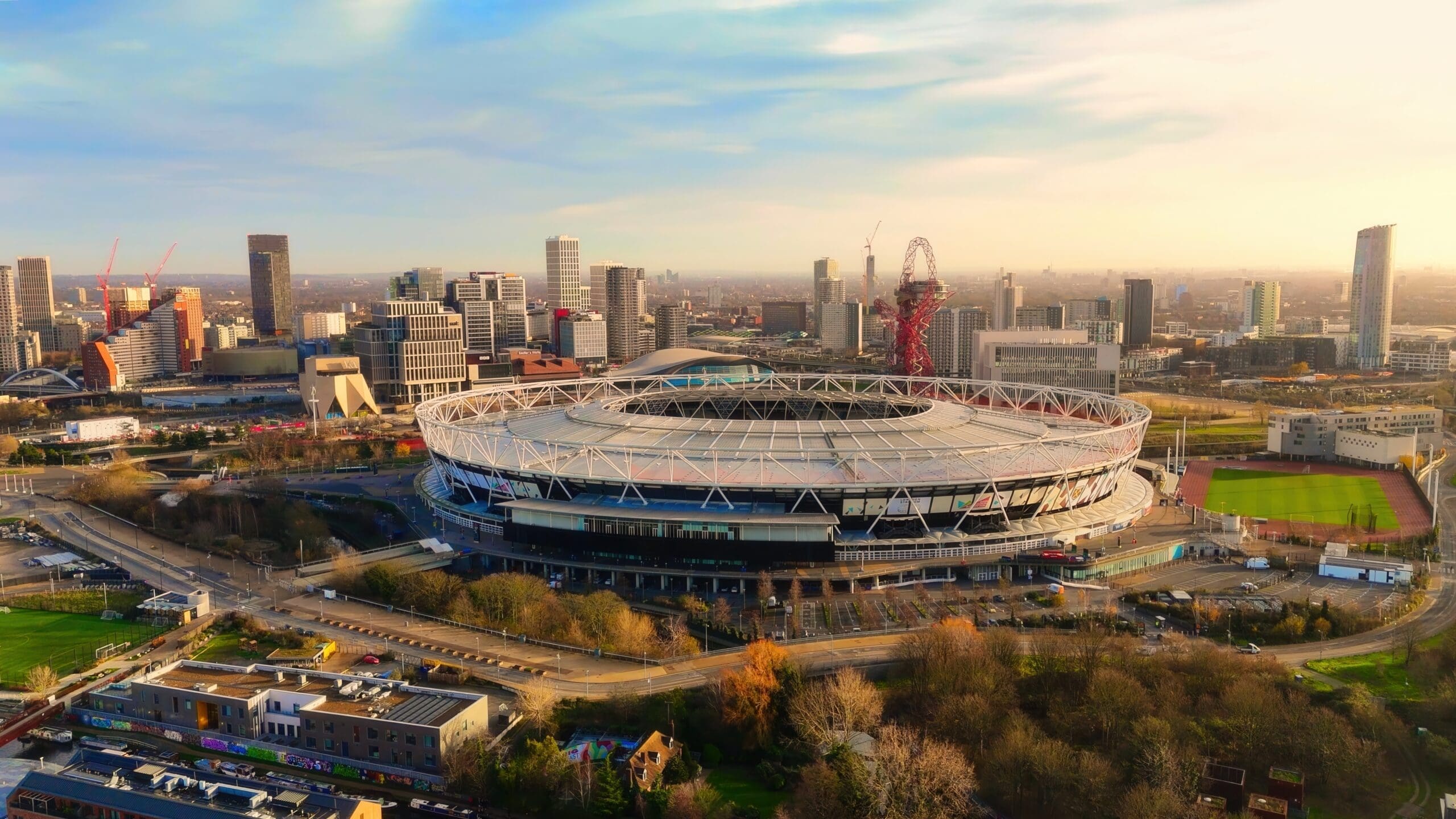
Header image courtesy of Lucian Milasan / Shutterstock, and London Stadium image courtesy of 4kclips / Shutterstock

Flight over Olympic Park and London Stadium - West Ham United - LONDON, UNITED KINGDOM - DECEMBER 23, 2024
Back to all news

Related news

Huntlee: Why long-term partnerships are critical for long-term project success

In a significant achievement for Australian public architecture, Powerhouse Castle Hill has been awarded the Sir Zelman Cowen Award...

Read More
Blog 2

Morisset North Subdivision

When it comes to subdivisions, seeing the bigger picture, and taking time to re-design before committing to a direction, can make all the difference to your bottom line.

Read More

M1 Highway Service Centre – civil project management

How do you avoid taking a detour on a major highway project? Our expert project management services and swept path analysis kept the M1 Highway Service Centre progressing while achieving substantial cost savings!

Read More
View all news
Back to top