Before a stadium opens, before spectators arrive, and before architecture defines a skyline, civil engineers have already shaped how an Olympic precinct will function.
While people often associate Olympic infrastructure with stadiums and arenas, it is the civil engineering beneath and around them that determines how a precinct moves, connects and operates long after the Games are over.
For Northrop civil engineers Sam Killoran and Steve McClelland, this systems-level thinking is what makes large-scale infrastructure projects compelling. Together, their experience spans South East Queensland sports and community infrastructure, major international programs and the London 2012 Olympic precinct.
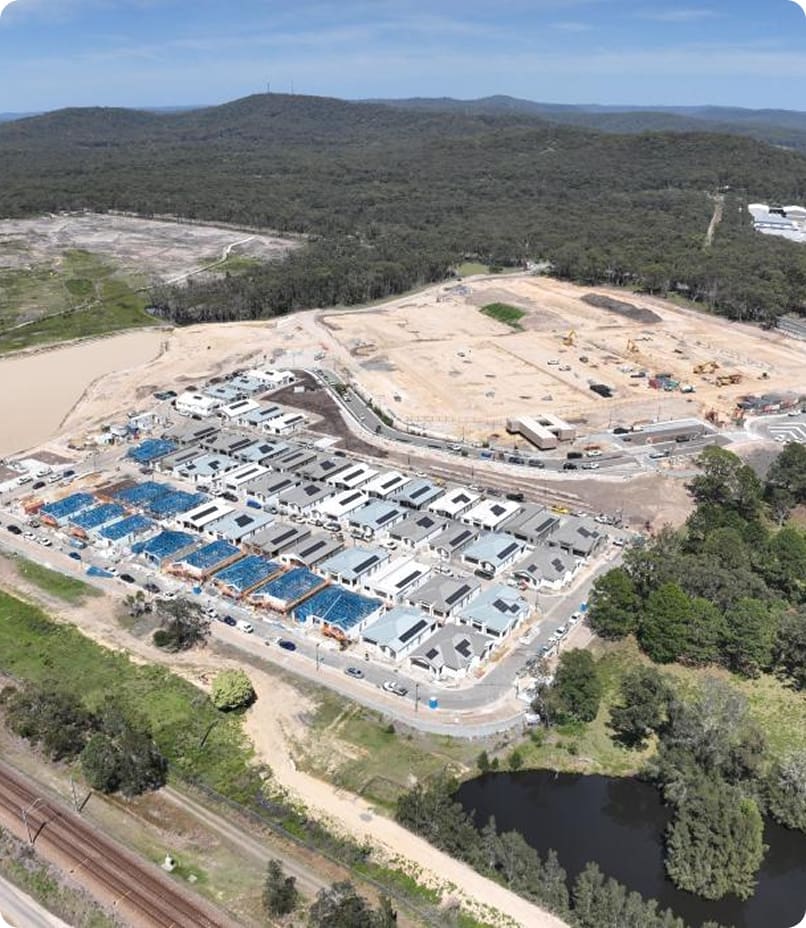
Sam’s career has been built across Brisbane and South East Queensland, delivering civil design for sports facilities, schools, subdivisions and development precincts. Steve brings international experience across major infrastructure programs in the Middle East and London 2012, before settling on the Gold Coast.
Together, their perspectives combine deep local knowledge with lessons learned from globally significant infrastructure programs.
Civil engineering starts the story
Civil engineering is often one of the first disciplines engaged on major precinct projects- long before the broader design is fully resolved- and expected to move quickly. It is the discipline responsible for establishing how a site will function, from access and servicing through to levels, drainage and movement across the precinct.
Engineers must establish site levels, servicing strategies and access routes while other elements of the project are still evolving. It requires confident decision-making under uncertainty and establishes the framework for everything that follows.
As Sam sees it, civil has to go first. By the time machines are moving dirt on site, the civil design needs to be essentially done, even if every other discipline is still mid-process. That pressure demands a particular kind of thinking: working out what the key constraints are likely to be, baking those in early, and leaving the rest of the design room to develop.
Sam’s guiding principle is simple: don’t create constraints.
That means avoiding early decisions that lock a site into a single outcome before enough is known. Civil design’s job is to create a framework that allows the project to develop, not one that pre-empts decisions that haven’t been made yet, or backs a client into a corner they didn’t need to be in.
“For example, if you can provide some flexibility in stormwater servicing, it opens up options for the client to optimise their development- rather than us locking them in too early and forcing a design they might not have preferred.” Sam Killoran
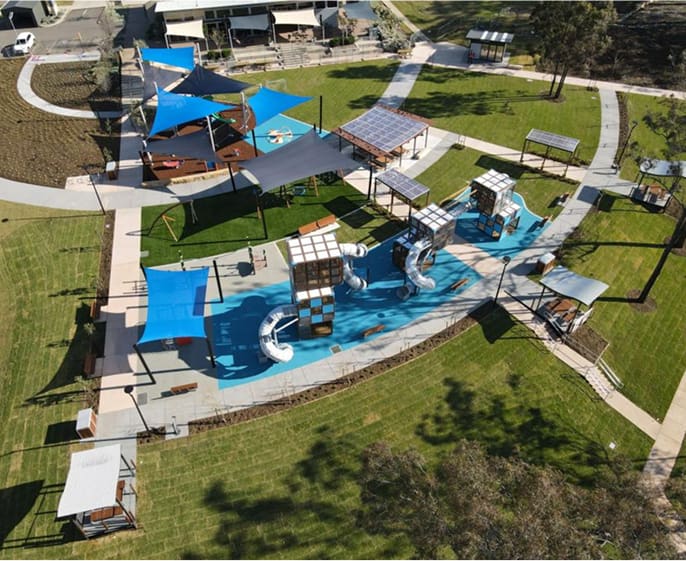
This approach is particularly important on sports and community projects, where early civil decisions can shape how a site performs for decades.
At St Aidan’s Anglican Girls’ School in Brisbane’s south, Sam led civil design for a staged sports precinct masterplan adjoining Oxley Creek. The flood-prone site required elevated buildings, reconfigured ground levels and carefully managed stormwater outcomes to support the school’s long-term sporting ambitions.
The resulting indoor court facility won Building of the Year at the 2025 Brisbane Regional Awards and demonstrates how considered civil design can unlock constrained sites for long-term community use.
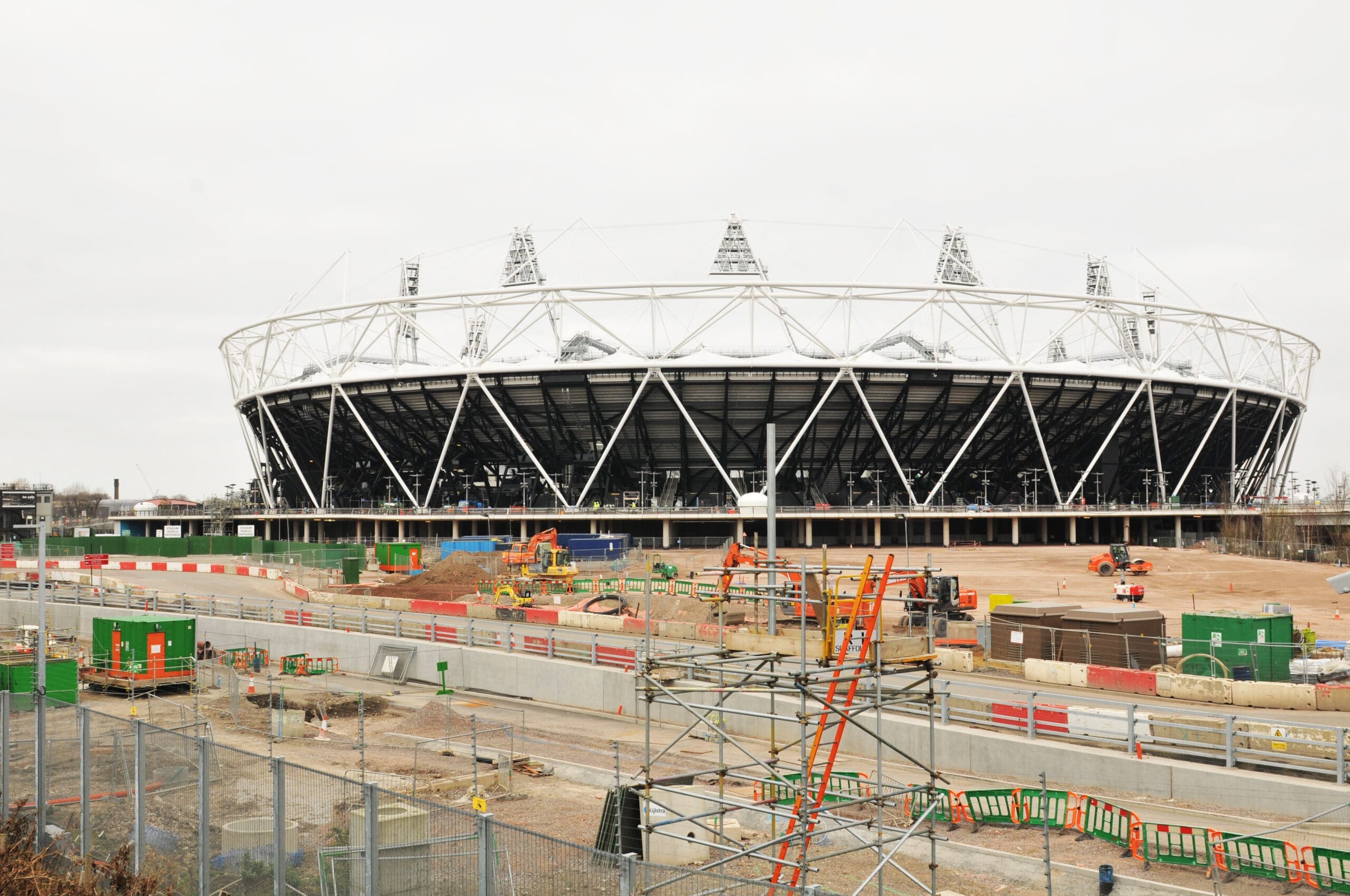
Having worked on the London 2012 Olympic precinct and major international infrastructure programs, Steve understands the scale of coordination required to deliver Games infrastructure successfully.
“One of the biggest lessons from London was how important coordinated delivery becomes as projects scale from individual venues into fully integrated precincts.” Steve McClelland
At London 2012, Steve was involved in stormwater design across the stadium promenade, broader Olympic Park, and off-park Olympic venues. Unlike a single-venue project, Olympic infrastructure must operate as a complete system, balancing transport, services, movement and public space across an entire precinct.